
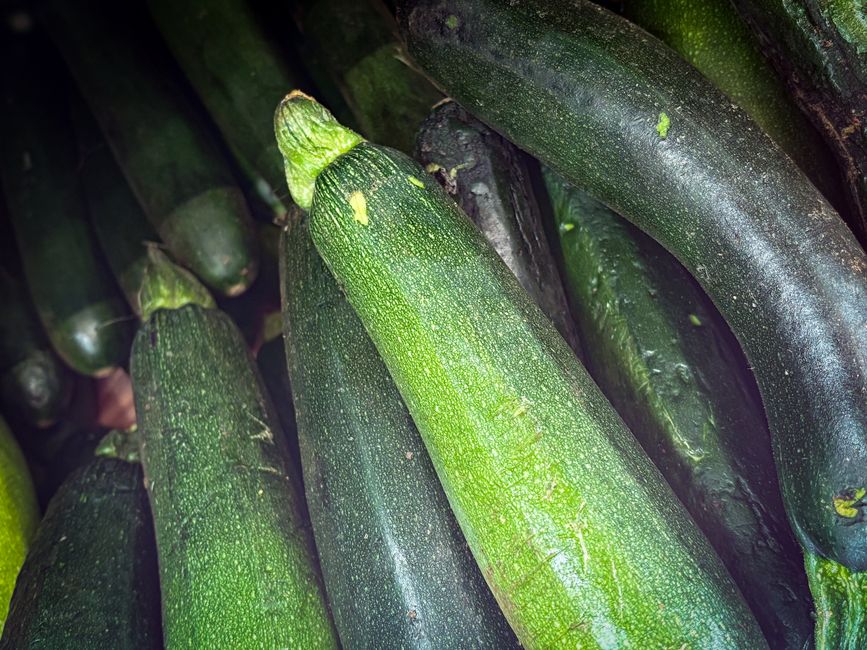
Zucchini is one of the most versatile vegetables in the kitchen. You can make zucchini bread, muffins, and pancakes, or use it in savory dishes like soups, frittatas, lasagna, and stir-fries. It also works raw in salads, sliced into noodles, or stuffed and baked whole.
If you grow zucchini, you already know the problem. One plant can produce more than a family can eat. The good news is that zucchini takes well to almost every cooking method and can be frozen, baked into desserts, or hidden in sauces for picky eaters. Here is what you can actually make with it, plus what the evidence says about its nutrition.
What Can You Make With Zucchini?
Zucchini works in sweet baked goods, savory main dishes, soups, salads, and even as a substitute for pasta. Its mild flavor and high water content mean it blends into almost anything without overpowering other ingredients.
Baking is where zucchini shines for most home cooks. Zucchini bread and muffins are the classics. The vegetable adds moisture that keeps baked goods tender for days. You can also fold grated zucchini into brownies, chocolate cake, and oatmeal cookies. The flavor disappears almost entirely, and the texture stays soft.
On the savory side, zucchini goes into frittatas, quiches, and egg muffins. It works in soups like minestrone and creamy zucchini soup. It layers into lasagna in place of some of the noodles, or gets sliced thin and used as the noodle itself. Stuffed zucchini boats filled with ground meat, rice, and cheese are a common weeknight dinner.
Raw zucchini has its own uses. Spiralized into noodles, it makes a cold salad base or a low-carb stand-in for spaghetti. Thinly sliced, it works in place of cucumber in salads and on sandwiches.
One practical point: zucchini is roughly 94 percent water by weight, according to USDA data. That matters for cooking. If you grate it for baking, most recipes call for squeezing out the excess liquid first. Skip that step and your bread or muffins will turn out dense and soggy.
What Can You Make With Zucchini Without Cooking It?
Raw zucchini is edible and safe to eat. It does not need to be cooked to be part of a meal.
The main issue with raw zucchini is texture. It is firmer and slightly more bitter than cooked zucchini, especially larger ones. Smaller, younger zucchini tend to be more tender and milder raw.
You can make:
- Zucchini noodles, tossed with olive oil, lemon, and salt
- Thinly sliced zucchini salads with tomato, basil, and vinaigrette
- Zucchini ribbons layered into wraps or sandwiches
- Matchstick zucchini sticks with hummus or yogurt dip
A mandoline or spiralizer helps here. A sharp knife and a steady hand work too. Salting sliced raw zucchini and letting it sit for a few minutes draws out some water and softens the texture. Pat it dry before dressing.
One caution worth mentioning: zucchini and other summer squash contain small amounts of a compound called cucurbitacin. In normal store-bought or homegrown zucchini, the level is low and not a concern. Occasionally, a zucchini can taste sharply bitter. Bitterness at that level can signal unusually high cucurbitacin, which has caused gastrointestinal illness in rare reported cases. If a zucchini tastes intensely bitter, do not eat it. This is uncommon, but it is a real and documented issue.
What Can You Make With Zucchini for Breakfast?
Zucchini fits breakfast well because its flavor is neutral and it adds moisture and bulk without much taste.
Zucchini bread and muffins are the most obvious choice, but they are often closer to cake than a balanced breakfast. If you want something with more protein, try zucchini and egg muffins baked in a tin, or a zucchini frittata with onion and cheese. Both reheat well and can be made ahead.
Zucchini pancakes are another option. These are usually savory, made with grated zucchini, egg, flour, and herbs, then pan-fried. They are different from sweet zucchini bread and work as a side or a light main dish.
You can also add grated zucchini to scrambled eggs or omelets. Grate it, squeeze out the water, and cook it briefly before adding the eggs. This keeps the eggs from turning watery.





Can You Freeze Zucchini or Use It in Meal Prep?
Yes, zucchini freezes well, but how you freeze it depends on how you plan to use it. The texture changes after freezing, so it works better in cooked dishes than raw.
For grated zucchini, squeeze out the excess water first, then freeze in measured portions. This is the most useful form for baking and sauces. For sliced or chopped zucchini, blanch it briefly in boiling water, cool it in ice water, drain, and freeze. Blanching helps preserve color and texture, though frozen zucchini will still be softer than fresh.
For meal prep, cooked zucchini dishes like frittatas, soups, and stuffed boats hold up well in the refrigerator for a few days. Zucchini noodles are best eaten fresh, because they release water and get soft quickly after cutting.
One thing to know: frozen zucchini is not a good substitute for fresh in raw salads or as noodles. The freezing process breaks down cell walls, so it turns limp once thawed. Save frozen zucchini for baking, soups, and sauces.
Is Zucchini Nutritious?
Zucchini is low in calories and provides several nutrients, though it is not a standout source of any single one.
According to USDA data, one medium raw zucchini with skin provides roughly 30 calories, about 2 grams of fiber, and meaningful amounts of vitamin C, potassium, and vitamin B6. It also contains carotenoids like lutein and zeaxanthin, which are associated with eye health. Zucchini is a good source of water, which contributes to hydration.
What zucchini does not provide much of is protein or fat. It is mostly water and carbohydrate, with a small amount of fiber. That is why it works so well as a low-calorie way to add volume to a meal without adding many calories.
Keep the skin on when you can. Much of the fiber and many of the nutrients sit in or just under the skin. Peeling removes some of that.
How Do You Handle a Large Zucchini?
Large zucchini are edible, but they behave differently from small ones. As zucchini grows, the seeds get bigger and tougher, the water content goes up, and the flavor can get slightly more bitter.
For very large zucchini, cut it in half lengthwise and scoop out the seeds before using it. The flesh around the seeds is still good for grating, baking, and soups. Large zucchini are also ideal for stuffing, because they hold their shape well and the hollowed center makes room for filling.
If you have more zucchini than you can use, grating and freezing it is the simplest way to avoid waste. It keeps for months and can go straight into baked goods, sauces, and soups later.
Frequently Asked Questions
Can you eat zucchini raw?
Yes, raw zucchini is safe to eat and commonly used in salads and as noodles. Smaller zucchini tend to taste better raw, since larger ones can be firmer and slightly bitter.
Do you have to peel zucchini?
No, the skin is edible and contains fiber and nutrients. Peeling is optional and mainly a matter of texture preference.
Why is my zucchini bread soggy?
Excess water from the grated zucchini is the usual cause. Most recipes call for squeezing the grated zucchini in a clean towel or paper towels before mixing it in.
Can you freeze zucchini for later use?
Yes, grated or blanched sliced zucchini freezes well for several months. It works best in cooked dishes like breads, soups, and sauces, not in raw salads.
