
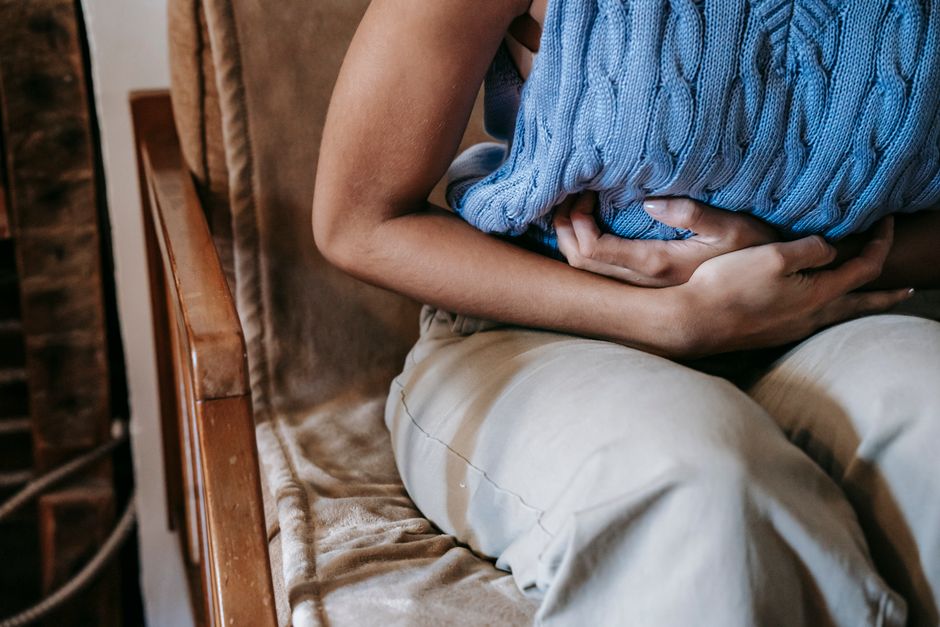
When your stomach is turning and food feels like the enemy, the goal is not to eat a perfect diet. It is to stay hydrated and give your gut the easiest possible work. Bland, low-fiber, low-fat foods are the safest choices during viral gastroenteritis. Plain water, oral rehydration solutions, crackers, rice, bananas, and toast are common options. Skip dairy, fried foods, alcohol, caffeine, and anything very spicy or very sweet until you feel better.
Stomach flu is not actually the flu. The real name is viral gastroenteritis, and it is an infection of the stomach and intestines. It usually causes vomiting, watery diarrhea, stomach cramps, and sometimes a low fever. Most people recover on their own within a few days, but what you eat and drink while you are sick can affect how you feel along the way.
What Can You Eat With Stomach Flu And What To Avoid?
During the worst of it, small amounts of simple food are better than a full meal. Your intestines are inflamed and not absorbing nutrients well. Large, rich, or high-fiber meals can make cramping and diarrhea worse.
The main job of eating during stomach flu is to replace fluids and electrolytes you lose through vomiting and diarrhea. Food comes second. If you can only manage a few sips and a couple of crackers, that is fine for a short time.
Foods that are usually well tolerated
- Plain crackers, toast, or plain white rice
- Bananas, applesauce, and other soft, low-fiber fruits
- Plain pasta or noodles without heavy sauce
- Boiled potatoes without butter or cream
- Plain chicken or turkey without skin or seasoning
- Clear broths and soups
- Plain gelatin and popsicles without added cream
The old advice to follow the BRAT diet — bananas, rice, applesauce, toast — still shows up in hospitals and clinics. It is not a treatment. It is a memory aid for foods that are easy on an irritated gut. Modern guidance is broader. You do not have to limit yourself to those four foods if you feel like eating something else mild.
Foods that tend to make things worse
- Milk, cheese, ice cream, and other dairy
- Fried, greasy, or heavy foods
- Spicy dishes and hot sauce
- High-fiber foods like beans, raw vegetables, and bran
- Very sweet foods, juices, and soda
- Alcohol and caffeine
- Sugar-free gum and candies with sorbitol or xylitol
Dairy deserves a special mention. Temporary lactose intolerance is common after a stomach bug. The lining of the small intestine can lose some of its ability to digest lactose for a while. That means milk and ice cream may cause more gas, cramping, and diarrhea even after the infection is clearing up.
Why Hydration Matters More Than Food
Dehydration is the real danger with stomach flu, not hunger. Vomiting and diarrhea pull water and electrolytes out of your body fast. Children and older adults can become dehydrated quicker than healthy adults.
Water alone helps, but it does not replace lost sodium, potassium, and other electrolytes. Oral rehydration solutions are designed for this. They are sold as powders, tablets, or ready-to-drink liquids at most pharmacies. Sports drinks are not the same thing. They have more sugar and less sodium than a proper rehydration solution.
Signs of dehydration to watch for include:
- Dark yellow urine or not urinating much
- Dry mouth and cracked lips
- Feeling dizzy or lightheaded when standing
- Sunken eyes or, in babies, a sunken soft spot on the head
- Few or no tears when crying
If you cannot keep any fluid down for more than a day, or if you see these signs, that is a reason to seek medical care. Do not wait it out.
How Should You Eat While Recovering?
Slow and small beats fast and big. Your gut needs time to recover, and pushing a normal meal too soon often backfires.
Start with a few sips of fluid every ten to fifteen minutes. If that stays down, try a small amount of a bland food. A few crackers. A spoonful of rice. Wait an hour. If you feel okay, eat a little more.
Do not force yourself to eat if you are still actively vomiting. Focus on fluids first. Once vomiting stops for a few hours, food becomes more realistic.
As you improve, add foods back one at a time. Bland proteins and soft starches usually work before raw vegetables or fatty meals. If something makes you feel worse, back off and try again the next day.




What About Children and Babies?
Children get dehydrated faster than adults, and their feeding rules are different. For babies, breast milk or formula should continue. Do not water down formula. Do not give plain water to a baby under six months unless a doctor tells you to.
Oral rehydration solution is the standard for children who are vomiting or having diarrhea. Ask a pharmacist or pediatrician about the right amount for your child’s weight. Do not guess.
For older children, the same bland foods that work for adults usually work. Watch for the dehydration signs above. Call a doctor if your child is very sleepy, will not drink, has not urinated in many hours, or has blood in the stool.
What Helps and What Does Not
There is no food that cures viral gastroenteritis. The infection has to run its course. Food and fluids support your body while it does.
Some people reach for probiotics during or after a stomach bug. The evidence is mixed. Some studies suggest certain strains may shorten diarrhea slightly, but results vary and no strain is clearly established as a standard treatment for viral gastroenteritis. If you want to try one, talk to a clinician first.
Anti-diarrheal medications are another gray area. They can help with symptoms in some adults, but they are not recommended for children and should be avoided if you have a fever or bloody diarrhea. Check with a pharmacist or doctor before using one.
Antibiotics do not work against viruses. Most stomach flu is viral. Taking antibiotics when you do not need them does not help and can cause side effects.
Frequently Asked Questions
How long does stomach flu usually last?
Most cases of viral gastroenteritis improve within one to three days, though some people feel off for up to a week. Seek care if symptoms last longer or get worse.
Can I drink milk with stomach flu?
It is usually best to avoid milk and dairy until you feel better. Stomach flu can cause temporary lactose intolerance, which makes dairy more likely to trigger cramping and diarrhea.
Should I eat if I am still vomiting?
Focus on small sips of fluid first and wait until vomiting has stopped for a few hours before trying food. Forcing a meal while you are still throwing up usually makes things worse.
Are sports drinks good for rehydration?
They are better than nothing, but they have more sugar and less sodium than an oral rehydration solution. A proper rehydration solution is the better choice when you can get one.
