
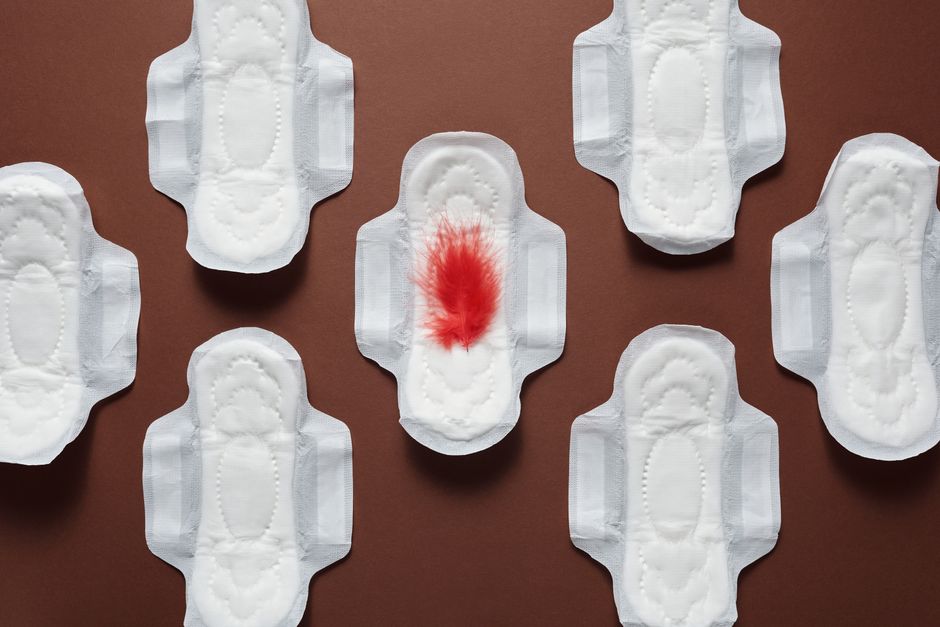
Brown discharge during ovulation is usually normal. It typically happens when a small amount of older blood mixes with cervical mucus. That blood is brown because it has been sitting in the body long enough to lose its bright red color as it oxidizes.
Ovulation is a common time for this to occur. Some people notice it for a day or two, some notice a single episode, and many never notice it at all. What matters most is the pattern: brief, light, and tied to your cycle is generally not a concern. Discharge that is heavy, persistent, painful, or new after years of predictable cycles deserves a medical conversation.
Is Brown Discharge During Ovulation Normal?
Yes, in most cases it is normal. Ovulation-related brown discharge is a recognized and common occurrence. It is not a sign that something is wrong by itself.
The key word is “by itself.” Brown discharge is a symptom, not a diagnosis. Its meaning depends on when it happens, how long it lasts, and what comes with it. A single day of light brown spotting mid-cycle in someone with regular periods is a very different picture from two weeks of brown discharge accompanied by pelvic pain.
There is no single number that defines “normal” here. What clinicians generally look for is a pattern that fits the menstrual cycle and resolves on its own. If the discharge appears around the middle of your cycle, lasts a short time, and does not come with significant pain or odor, it usually falls into the expected range.
What Causes Brown Discharge Around Ovulation?
The most common cause is a small drop in estrogen right before the egg is released. This brief dip can cause a small amount of the uterine lining to shed. That blood is old by the time it exits the body, so it appears brown rather than red.
There are a few other reasons brown discharge can show up around mid-cycle:
- Ovulation spotting. A small amount of blood released when the follicle ruptures. This is the classic cause.
- Implantation bleeding. If pregnancy occurs, a fertilized egg embedding in the uterine lining can cause light spotting. This usually happens later than ovulation, closer to when a period would be due.
- Hormonal shifts. Changes in estrogen and progesterone can cause minor breakthrough bleeding at various points in the cycle.
- Cervical irritation. Intercourse, a recent pelvic exam, or a Pap test can cause light bleeding that appears brown a day or two later.
- Birth control. Hormonal contraception, especially low-dose pills or an IUD, commonly causes breakthrough bleeding that can look brown.
It is worth separating ovulation spotting from implantation bleeding, because people often confuse the two. Ovulation spotting happens around the time of egg release. Implantation bleeding happens roughly a week to two weeks later, near the expected start of a period. The timing is the main clue.
How Do You Tell Ovulation Discharge From Other Types?
Ovulation has a fairly distinctive discharge pattern. As estrogen rises in the days before ovulation, cervical mucus becomes clear, stretchy, and slippery — often compared to raw egg white. This texture helps sperm survive and travel.
Brown discharge during ovulation is usually this same mucus with a small amount of old blood mixed in. It tends to be light, thin, and brief.
Here is how it compares to other common types of discharge:
| Type | Typical Appearance | Usual Timing |
|---|---|---|
| Ovulation discharge | Clear, stretchy, egg-white texture | Mid-cycle, before and during ovulation |
| Brown ovulation spotting | Clear mucus with brown or pink streaks | Around ovulation, 1-2 days |
| Implantation bleeding | Light pink or brown, light flow | About a week to two weeks after ovulation |
| Normal pre-period discharge | Thicker, white or cloudy | After ovulation, before period |
| Breakthrough bleeding on birth control | Brown, sometimes continuous | Any point in the cycle |
Tracking your cycle for a few months can help you see your own pattern. A calendar app or a simple note on your phone is enough. The goal is not to diagnose yourself but to notice what is typical for you and what is not.




When Should Brown Discharge Be Checked by a Doctor?
Brown discharge needs medical attention when it does not fit a normal cycle pattern or comes with other symptoms. Most ovulation spotting is harmless. Some causes of brown discharge are not.
See a healthcare provider if you notice any of the following:
- Heavy bleeding, or bleeding that soaks through a pad or tampon
- Brown discharge that lasts more than a few days or keeps returning
- Significant pelvic pain, cramping, or pain during sex
- Foul-smelling discharge
- Fever, chills, or feeling generally unwell
- Discharge that starts suddenly after years of regular, predictable cycles
- Bleeding after menopause — this always needs evaluation
- Any bleeding during pregnancy
Some of these point to conditions that need treatment, such as infections, fibroids, polyps, or hormonal disorders. In rare cases, abnormal bleeding can be a sign of something more serious. This is not meant to alarm you. It is meant to be clear: bleeding that breaks your normal pattern is worth checking. A provider can sort out whether it is routine or something that needs a closer look.
Bleeding after menopause is a firm exception to the “usually normal” rule. Any postmenopausal bleeding should be evaluated by a clinician. That guidance is well established.
What Else Can Cause Brown Discharge Mid-Cycle?
Ovulation is not the only explanation for brown discharge in the middle of a cycle. Several other causes can produce a similar appearance, and the timing alone does not always tell you which one it is.
Common non-ovulation causes include:
- Hormonal birth control. Breakthrough bleeding is a frequent side effect, especially in the first few months of a new method.
- Infections. Some vaginal or cervical infections can cause discharge with an unusual color or odor. These usually come with other symptoms like irritation or discomfort.
- Polyps or fibroids. Non-cancerous growths in the uterus or cervix can cause irregular spotting.
- Perimenopause. Shifting hormone levels in the years before menopause often cause unpredictable bleeding patterns.
- Thyroid or other hormonal conditions. These can disrupt the menstrual cycle and lead to irregular bleeding.
- Recent procedures. A Pap test, biopsy, or IUD insertion can cause light bleeding for a short time afterward.
Because several conditions can look alike, timing and pattern are the most useful clues. A single episode of light brown spotting at mid-cycle is unlikely to be serious. Recurring or heavy brown discharge is a reason to get it checked rather than guess.
Does Brown Discharge Affect Fertility or Pregnancy?
Ovulation spotting itself does not affect fertility. It is a sign that ovulation is happening, not a problem with it.
If you are trying to conceive, brown discharge around ovulation is generally not a reason to worry or to stop trying. Some people use it, along with other signs like cervical mucus changes and a rise in basal body temperature, as one clue that ovulation is near.
That said, brown discharge is not a reliable ovulation predictor on its own. Not everyone gets it, and it can have other causes. If you are tracking ovulation for conception, it is more useful as one signal among several than as a standalone marker.
If you are pregnant, any bleeding — including brown discharge — should be reported to your provider. Early pregnancy spotting is common and often harmless, but it can also signal a problem. Because the two cannot be told apart without evaluation, the safe move is to make the call.
How Is the Cause of Brown Discharge Evaluated?
When you see a provider about brown discharge, the first step is usually a conversation about your cycle, symptoms, and history. From there, the evaluation depends on what they find.
Common steps include:
- A pelvic exam to look at the cervix and vagina
- A pregnancy test if there is any chance you could be pregnant
- Testing for infections if discharge is unusual in color or odor
- Blood tests to check hormone levels or thyroid function
- An ultrasound to look for fibroids, polyps, or other structural causes
Many cases need no treatment at all. If a cause is found — an infection, a polyp, a hormonal imbalance — treatment targets that specific issue. This is why identifying the cause matters more than treating the discharge itself.
There is no home remedy that reliably stops ovulation spotting, because there is nothing to fix in most cases. If the spotting is bothersome or linked to a treatable condition, a clinician can address the underlying cause.
Frequently Asked Questions
Is brown discharge during ovulation a sign of pregnancy?
Not usually. Brown discharge around ovulation is more often linked to ovulation itself, while implantation bleeding tends to happen about a week to two weeks later. If pregnancy is possible, a test is the only way to know.
How long does ovulation brown discharge normally last?
It is typically brief, often a day or two at most. Discharge that lasts longer or keeps returning should be checked by a provider.
Can brown discharge mean something is wrong?
Sometimes. Light, brief brown discharge around ovulation is usually normal, but heavy, painful, foul-smelling, or persistent discharge can point to an infection, fibroids, polyps, or a hormonal issue that needs evaluation.
Should I worry about brown discharge after menopause?
Yes, any bleeding after menopause should be evaluated by a clinician. Postmenopausal bleeding is not considered normal and needs a medical workup.
