
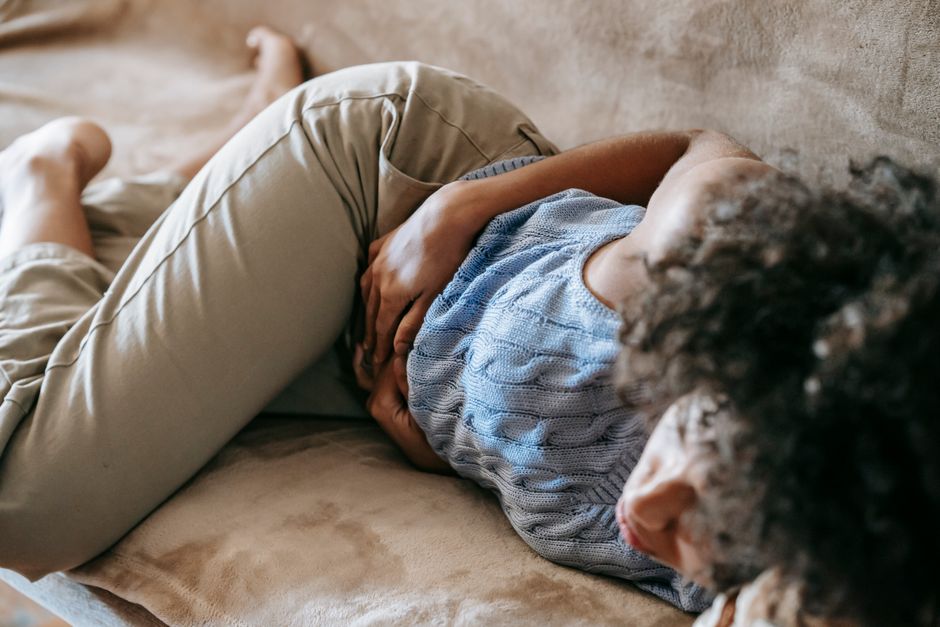
Pelvic pain and infertility often go together because many conditions that damage the reproductive organs also cause chronic pain. The most common culprits are endometriosis, pelvic inflammatory disease (PID), uterine fibroids, and pelvic adhesions. Each of these conditions can directly interfere with ovulation, fertilization, implantation, or the normal movement of eggs and sperm — and each can produce persistent or recurring pelvic pain.
How Does Endometriosis Cause Both Pelvic Pain and Infertility?
Endometriosis is one of the most common causes of both chronic pelvic pain and infertility. In this condition, tissue similar to the uterine lining grows outside the uterus — most often on the ovaries, fallopian tubes, and the lining of the pelvic cavity.
This misplaced tissue responds to monthly hormone changes. It thickens, breaks down, and bleeds just like the normal uterine lining. But because it has no way to leave the body, it becomes trapped. This causes inflammation, scarring, and the formation of adhesions (bands of scar tissue).
The inflammation and scarring can block the fallopian tubes, distort the shape of the ovaries and tubes, and create a hostile environment for sperm and eggs. This directly reduces fertility. The trapped blood and inflammation also irritate nearby nerves, causing chronic pelvic pain — especially during periods, ovulation, and sex.
Research consistently shows that as many as 30% to 50% of women with endometriosis experience infertility. However, not everyone with endometriosis has pain, and not everyone has trouble getting pregnant. The severity of the condition also does not always predict the degree of pain or fertility problems.
What Is the Role of Pelvic Inflammatory Disease?
Pelvic inflammatory disease (PID) is an infection of the female reproductive organs, usually caused by sexually transmitted bacteria like chlamydia or gonorrhea. If left untreated, PID can lead to permanent damage.
The infection causes inflammation and scar formation in the fallopian tubes, ovaries, and surrounding tissues. Scarred or blocked fallopian tubes prevent the egg from meeting sperm. This is a major cause of infertility. The damage can also lead to chronic pelvic pain, often due to ongoing inflammation or the formation of adhesions after the infection clears.
Many women with PID do not realize they have it because the infection can be mild or even symptom-free. But even a single episode of PID can reduce fertility. The risk of infertility increases with each episode. Studies indicate that about 10% to 15% of women with a single PID episode become infertile, and that number rises with repeated infections.
Pelvic pain from PID may appear as dull lower abdominal pain that comes and goes, pain during sex, or pain during ovulation and menstruation. Prompt antibiotic treatment can clear the infection, but it cannot reverse scarring that has already occurred.
Can Uterine Fibroids Cause Pelvic Pain and Infertility?
Uterine fibroids are noncancerous growths in the muscle wall of the uterus. Many women with fibroids have no symptoms at all. But when fibroids are large or located in certain positions, they can cause both pelvic pain and fertility problems.
Fibroids that press on the uterine cavity (submucosal fibroids) are most likely to interfere with fertility. They can distort the shape of the uterine cavity, which may prevent an embryo from implanting or cause miscarriages. Fibroids can also block the fallopian tubes or interfere with blood flow to the uterine lining.
Pelvic pain from fibroids is typically heavy menstrual bleeding with cramping, a sensation of pressure or fullness in the lower abdomen, and sometimes pain during sex. Large fibroids can also cause aching or sharp pain in the pelvis or lower back.
However, most fibroids do not cause infertility. The location and size matter. Small fibroids that do not distort the uterine cavity generally have little effect on fertility. Treatment options range from medication to surgery, and not all fibroids need treatment.



How Do Pelvic Adhesions Affect Fertility and Pain?
Pelvic adhesions are bands of scar tissue that form between organs inside the pelvis. They can develop after pelvic surgery, infections like PID, endometriosis, or even after a ruptured appendix.
Adhesions can bind the ovaries, fallopian tubes, and uterus to each other or to the pelvic wall. This restricts the normal movement of these organs. When the fallopian tubes are kinked or pulled out of position, they may not be able to capture an egg after ovulation. Adhesions can also block the tubes entirely.
The pulling and stretching of adhesions can cause chronic pelvic pain. The pain may be constant or only happen during certain movements or during sex. For some women, the pain is mild. For others, it is severe and limits daily activities.
Adhesion-related infertility is often treatable with surgery to cut the adhesions. But surgery itself can cause new adhesions, so it is only recommended when the benefits clearly outweigh the risks.
Does Polycystic Ovary Syndrome Cause Pelvic Pain?
Polycystic ovary syndrome (PCOS) is a common cause of infertility due to irregular or absent ovulation. However, PCOS is not typically a cause of pelvic pain. Some women with PCOS do experience mild pelvic discomfort, but this is usually not the main symptom.
If a woman with PCOS develops large ovarian cysts that rupture or twist (ovarian torsion), that can cause sudden severe pelvic pain. But these events are not common. The infertility in PCOS is primarily due to hormonal imbalances that prevent ovulation, not to pain or structural damage.
So while PCOS is a leading cause of infertility, it is not a reliable cause of chronic pelvic pain. If a woman with PCOS has pelvic pain, other conditions like endometriosis or fibroids should be considered.
What About Adenomyosis and Ovarian Cysts?
Adenomyosis is a condition where the uterine lining grows into the muscular wall of the uterus. It can cause heavy painful periods and chronic pelvic pain. Some research suggests it may also affect fertility by impairing implantation and increasing the risk of miscarriage. However, the link between adenomyosis and infertility is less clear than for conditions like endometriosis or PID.
Most ovarian cysts are harmless and do not cause pain or fertility problems. But large cysts, ruptured cysts, or cysts caused by endometriosis (endometriomas) can cause significant pelvic pain. Endometriomas can also damage ovarian tissue and reduce egg quality, lowering fertility. Other types of cysts like dermoid cysts or cystadenomas may also cause pain if they become large or twisted, but they rarely affect fertility on their own.
When Should You See a Doctor for Pelvic Pain and Infertility?
If you have been trying to get pregnant for a year (or six months if you are over 35) without success, and you also have pelvic pain, it is reasonable to see a healthcare provider. The same applies if you have pelvic pain that interferes with your daily life — whether or not you are planning a pregnancy.
Doctors typically start with a careful history, a pelvic exam, and often an ultrasound. Depending on what is found, additional tests like a hysterosalpingogram (HSG) to check fallopian tubes, laparoscopy to look for endometriosis or adhesions, or blood tests for hormone levels may be ordered. Treating the underlying condition often improves both pain and fertility, though not always completely.
It is important to know that many causes of pelvic pain and infertility are treatable. Early diagnosis gives you the best chance of preserving fertility and managing pain.
Frequently Asked Questions
Can endometriosis cause infertility?
Yes, endometriosis is a leading cause of infertility because it inflames and scars the fallopian tubes and ovaries, making it harder for eggs and sperm to meet and for an embryo to implant.
What is the most common cause of pelvic pain and infertility?
Endometriosis is the most common identifiable cause of both chronic pelvic pain and infertility, affecting an estimated 1 in 10 women of reproductive age.
How does pelvic inflammatory disease affect fertility?
PID causes scarring and blockage of the fallopian tubes, which prevents the egg from traveling to the uterus and increases the risk of ectopic pregnancy.
Can fibroids be removed without harming fertility?
Yes, surgery to remove fibroids (myomectomy) is specifically done to preserve fertility, though the type of surgery depends on the size and location of the fibroids.
