
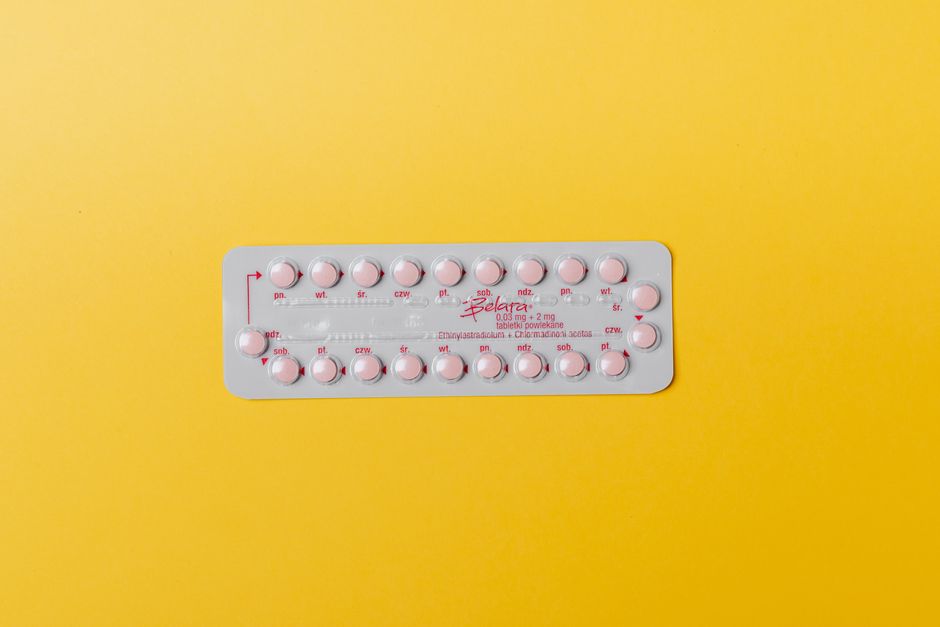
Estrogen therapy during male-to-female transition can cause infertility, but the outcome is not guaranteed for everyone. For many trans women, estrogen reduces sperm production over time, sometimes to zero. However, the effects vary by individual, and some people retain fertility even after years of hormone therapy. The honest answer is that estrogen often impairs fertility, but it does not reliably cause permanent sterility in every person.
Does Estrogen Cause Infertility In Mtf Transition?
Yes, estrogen therapy can cause infertility in trans women, but it works differently than many people assume. Estrogen suppresses the production of testosterone, which your body needs to make sperm. When testosterone levels drop low enough, sperm production slows down or stops entirely. This is the main way estrogen affects fertility.
The timeline matters here. Some people notice changes in sperm count within three to six months of starting hormones. Others take a year or longer before seeing significant effects. A small number of people never lose fertility completely, even with consistent hormone use.
Current research suggests that most trans women become infertile after one to two years of estrogen therapy. But “most” is not “all.” Studies have found that some individuals still produce viable sperm after years of treatment. This unpredictability is why healthcare providers stress the importance of fertility preservation before starting hormones if having biological children matters to you.
How Does Estrogen Affect Sperm Production Specifically?
Estrogen interferes with the hypothalamic-pituitary-gonadal axis, which is the system that controls your reproductive hormones. Normally, your brain signals your testicles to produce testosterone. Testosterone then drives sperm production. Estrogen therapy disrupts this signal by telling your brain to stop releasing the hormones that trigger testosterone production.
Without enough testosterone, the cells in your testicles that make sperm become inactive. This process is called spermatogenesis suppression. It is similar to what happens when men take testosterone supplements for other reasons, though the mechanism differs slightly.
The key point is that estrogen does not directly damage sperm cells. It starves them of the hormonal environment they need to develop. This means the effect is potentially reversible for some people, though not everyone regains fertility after stopping hormones.
What Does Research on Fertility in Trans Women Show?
Several studies have examined fertility rates in trans women on estrogen therapy. A 2019 review of existing research found that sperm concentration dropped significantly in most participants after three months of hormone treatment. By twelve months, the majority of trans women had sperm counts below the threshold for natural conception.
However, the same review noted that a small percentage of participants maintained sperm production even after long-term hormone use. One study found that roughly 10% of trans women had sperm counts high enough for potential fertility after two years of estrogen therapy.
Another study from 2021 looked at testicular tissue from trans women who had undergone gender-affirming surgery. Researchers found that some participants still had active sperm production in their tissue samples, despite years of hormone treatment. This tells us that estrogen does not always stop sperm production completely.
The bottom line is that research consistently shows estrogen reduces fertility for most trans women. But the evidence also shows that infertility is not universal. Individual biology plays a larger role than many people realize.





Can Fertility Return After Stopping Estrogen?
This is where the evidence gets less clear. Some trans women who stop estrogen therapy for a period of time see their sperm production return. Others do not. The ability to regain fertility depends on several factors.
Duration of hormone use is one factor. People who have been on estrogen for a shorter time, typically under two years, have a better chance of fertility returning. Those who have used hormones for five years or longer may find that sperm production does not fully recover.
Age at the start of therapy also matters. Younger individuals, particularly those who started hormones before puberty, may have different outcomes than those who started as adults. There is limited research on fertility in trans women who began treatment before puberty, so this area remains uncertain.
Some healthcare providers recommend pausing estrogen for three to six months to assess whether fertility returns. During this time, testosterone levels rise, which can restart sperm production. However, this pause can cause significant emotional distress for many trans women, as it may trigger unwanted physical changes and worsen gender dysphoria.
What Options Exist for Preserving Fertility Before Transition?
Sperm banking is the most reliable option for trans women who want to preserve fertility. This involves collecting and freezing sperm samples before starting estrogen therapy. The process is straightforward and does not require any medical procedures beyond providing a sample.
For trans women who have already started hormones, options are more limited but still exist. Some fertility clinics offer testicular sperm extraction, which is a minor surgical procedure to retrieve sperm directly from the testicles. This works best for people who have been on hormones for a shorter time.
Another option is to pause estrogen therapy temporarily to allow sperm production to resume. As mentioned earlier, this carries emotional and physical consequences. It also does not guarantee that fertility will return.
As of 2026, new research is exploring whether certain medications can protect fertility during hormone therapy. These are experimental and not widely available. For now, the best advice is to discuss fertility preservation with a healthcare provider before starting hormones.
What Are the Common Misconceptions About Estrogen and Infertility?
One major misconception is that estrogen causes permanent and total infertility in everyone. This is not true. While the risk is high, it is not 100%. Some trans women retain fertility even after years of hormone use.
Another misconception is that if you stop estrogen for a few weeks, fertility will come back immediately. This is also false. Sperm production takes about 74 days to complete a full cycle. Even if testosterone levels rise quickly, it takes time for sperm to mature.
Some people believe that lower estrogen doses reduce the risk of infertility. There is no strong evidence for this. Even low doses of estrogen can suppress testosterone enough to affect sperm production. The relationship between dose and fertility is not linear.
A final misconception is that infertility from estrogen is the same as surgical sterilization. It is not. Surgical removal of the testicles causes permanent infertility. Hormonal suppression may be reversible for some people. The two are fundamentally different.
| Factor | Effect on Fertility |
|---|---|
| Duration of estrogen use | Longer use = lower chance of fertility return |
| Age at start of therapy | Earlier start = more uncertainty about outcomes |
| Individual biology | Some people retain fertility despite treatment |
| Pausing hormones | May allow fertility return but not guaranteed |
| Fertility preservation | Most reliable before starting hormones |
What Should You Discuss With Your Healthcare Provider?
Before starting estrogen therapy, ask your doctor about fertility preservation. This conversation should happen early, ideally at your first appointment. Many people assume infertility is unavoidable and do not realize they have options.
Ask specifically about sperm banking. Your doctor can refer you to a fertility clinic that works with transgender patients. Some clinics offer discounts or financial assistance for fertility preservation.
If you have already started hormones, ask about your options. A fertility specialist can run tests to check your current sperm count. This gives you a baseline to work from and helps you make informed decisions.
Be honest about your goals. If having biological children matters to you, say so. Your healthcare provider needs this information to give you the best advice. Do not assume infertility is the only path forward.
Frequently Asked Questions
Does estrogen always cause infertility in trans women?
No, estrogen does not always cause infertility. Most trans women experience reduced fertility, but some retain the ability to produce viable sperm even after years of hormone therapy.
Can I get someone pregnant while on estrogen?
It is possible but unlikely. Estrogen significantly lowers sperm count in most people, but a small percentage of trans women maintain enough sperm production for potential conception.
How long after starting estrogen does infertility occur?
Changes in fertility can begin within three months, but full suppression of sperm production typically takes six to twelve months of consistent hormone use.
Is infertility from estrogen permanent?
Not always. Some trans women regain fertility after stopping estrogen, especially if they have been on hormones for less than two years. Long-term use reduces the chance of recovery.
