
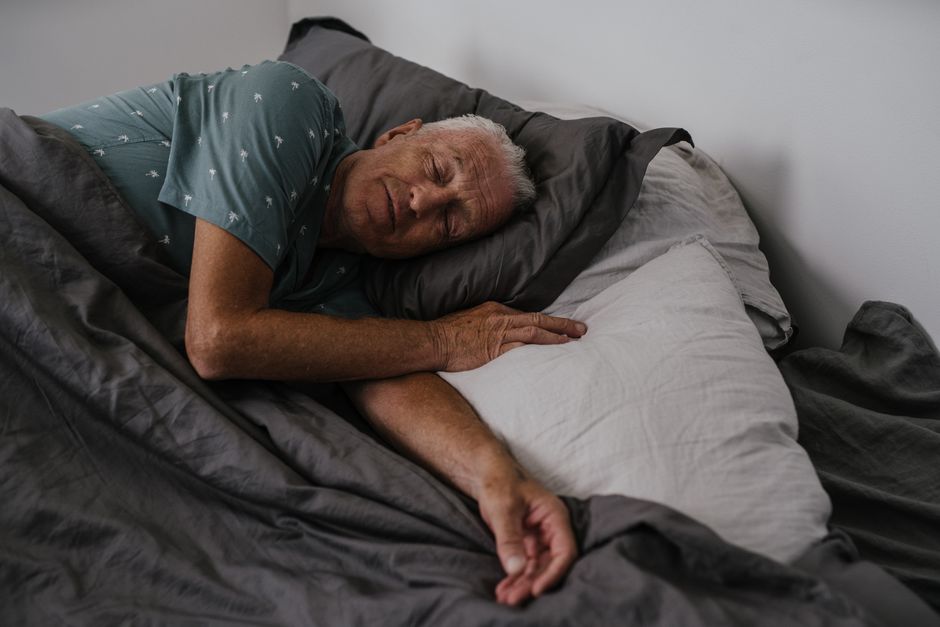
Struggling to fall asleep or stay asleep is one of the most frustrating experiences. You are tired, but your brain will not switch off. The good news is that several safe, well-studied options exist that can genuinely help you sleep better. For most people, the best starting points are a consistent wind-down routine, limiting screen time before bed, and considering proven supplements like melatonin or magnesium glycinate. Prescription medications exist, but they are typically reserved for short-term use or specific sleep disorders. This guide breaks down the most effective options, what the evidence actually shows, and what is likely just marketing noise.
What Can I Take To Help Me Sleep Best Options?
If you are looking for something to take, the evidence points to a few clear front-runners. Melatonin is the most studied supplement for sleep, particularly for jet lag and shift work. Magnesium glycinate is another strong option, as it helps relax the nervous system and muscles. For those who need stronger support, prescription medications like zolpidem (Ambien) or eszopiclone (Lunesta) are effective, but they come with risks like dependency and next-day drowsiness. Over-the-counter antihistamines like diphenhydramine (Benadryl) work for some, but they are not designed for long-term nightly use.
The key is matching the option to your specific problem. Trouble falling asleep is different from waking up at 3 a.m. and not being able to get back to sleep. Different issues respond to different treatments.
The First Steps: Sleep Hygiene Before Supplements
Before you take anything, look at your habits. Sleep hygiene is the foundation. No supplement can fix the effects of caffeine at 4 p.m. or a bright phone screen at 11 p.m.
The most effective changes are simple. Keep a consistent sleep schedule, even on weekends. Your body’s internal clock relies on regularity. Make your bedroom dark, cool, and quiet. Most people sleep best at around 65 degrees Fahrenheit. Avoid caffeine after 2 p.m. and limit alcohol close to bedtime, as it fragments sleep later in the night.
These steps sound basic, but research consistently shows they work. If you have poor sleep hygiene, a supplement is like putting a bandage on a broken bone. Fix the foundation first, then consider adding support.
Melatonin: The Most Studied Sleep Supplement
Melatonin is a hormone your brain naturally produces in response to darkness. It signals to your body that it is time to sleep. Supplementing with it can be helpful, particularly when your natural rhythm is disrupted.
The evidence is strongest for jet lag and shift work. Studies have found that melatonin can reduce the time it takes to fall asleep in these situations. It is also commonly used for delayed sleep phase syndrome, a condition where your internal clock is shifted later than normal.
Dosing is where many people go wrong. More is not better. Common doses range from 0.5 mg to 5 mg. Higher doses, like 10 mg, do not work better and can cause vivid dreams, grogginess, or a headache the next day. Start low. Take it 30 to 60 minutes before bed. It is not a sleeping pill in the traditional sense. It tells your brain it is dark outside, helping you feel sleepy.
For general insomnia, the evidence is more mixed. Some studies show modest benefits, while others show little effect. Melatonin is not a powerful sedative. If you have chronic insomnia, it may not be the answer on its own.





Magnesium: A Mineral That Calms the Nervous System
Magnesium is involved in over 300 biochemical reactions in the body, including nerve function and muscle relaxation. It also plays a role in regulating melatonin production. Low magnesium levels have been linked to poor sleep quality.
Magnesium glycinate is the form most often recommended for sleep. The glycine component is an amino acid that has its own calming effects on the brain. Some research suggests it can help you fall asleep faster and improve sleep quality, especially in older adults who may be deficient.
The typical dose is around 200 to 400 mg taken about an hour before bed. It is generally well tolerated, but it can cause digestive upset in some people. Start with a lower dose and increase gradually if needed.
Magnesium citrate is more commonly used for constipation. It is not the ideal choice for sleep because it can draw water into the bowels and cause loose stools. Stick with glycinate, threonate, or another well-absorbed form.
Herbal Options: Valerian Root, Chamomile, and Passionflower
Herbal remedies have been used for centuries for sleep. Some have better evidence than others.
Chamomile is the mildest option. It contains apigenin, an antioxidant that binds to certain receptors in the brain that may promote sleepiness. The evidence is limited, but it is safe and pleasant. A warm cup of chamomile tea before bed is a reasonable part of a wind-down routine, even if the direct sedative effect is modest.
Valerian root is one of the more studied herbs for insomnia. Some research suggests it can improve sleep quality and reduce the time it takes to fall asleep. However, the results are inconsistent. Some studies show clear benefits, while others show no difference from placebo. It is generally safe for short-term use, but it can cause vivid dreams or mild stomach upset in some people.
Passionflower has also been studied, particularly for anxiety-related sleep issues. The evidence is preliminary but somewhat promising. It may increase levels of GABA, a neurotransmitter that calms brain activity.
Herbal supplements are not regulated like prescription drugs. Quality varies widely between brands. Look for products that have been third-party tested if you decide to try them.
Prescription Medications: Strong but Not for Everyone
Prescription sleep aids are effective, but they are not a long-term solution for most people. They are typically prescribed for short periods, usually a few weeks, to break a cycle of insomnia.
The most common class is the Z-drugs, which include zolpidem (Ambien) and eszopiclone (Lunesta). These work by enhancing the effect of GABA, the brain’s main inhibitory neurotransmitter. They help you fall asleep faster and stay asleep longer.
Side effects are real. Next-day drowsiness is common, especially with longer-acting versions. Some people experience sleepwalking, sleep eating, or even sleep driving. These are rare but serious. The risk increases with higher doses and when combined with alcohol.
Benzodiazepines like temazepam (Restoril) are older and less commonly prescribed now due to higher tolerance and dependency risks. They are effective but carry a significant withdrawal risk.
Newer options like suvorexant (Belsomra) and lemborexant (Dayvigo) target orexin, a neurotransmitter that promotes wakefulness. Blocking orexin helps you stay asleep. These are generally considered to have a lower dependency risk than Z-drugs, but they can cause next-day grogginess.
Over-the-Counter Antihistamines: A Temporary Fix
Many people reach for diphenhydramine, the active ingredient in Benadryl, or doxylamine, found in Unisom. These are first-generation antihistamines that cross into the brain and cause drowsiness.
They do work for occasional sleeplessness. You will likely fall asleep faster. However, they are not meant for nightly use. Tolerance develops quickly, meaning you need more to get the same effect. They also cause significant next-day grogginess and can impair memory and coordination.
Long-term nightly use of antihistamines has been associated with an increased risk of dementia in some observational studies. The evidence is not definitive, but it is concerning enough that most doctors do not recommend these as a chronic sleep solution.
Use them for a few nights at most, not for weeks or months.
What About CBD and Other Cannabinoids?
CBD has become popular for sleep, but the evidence is still emerging. Some small studies suggest it may help with anxiety-related sleep issues, while others show no significant effect on sleep quality.
The problem is that CBD products are not well regulated. Doses vary widely, and many products contain less CBD than the label claims. Some contain trace amounts of THC, which can affect sleep in complex ways.
Current evidence does not support CBD as a first-line treatment for insomnia. If you choose to try it, start with a low dose and be aware that the data supporting its effectiveness is limited. No large clinical trials have confirmed that CBD reliably improves sleep.
Lifestyle Factors That Work as Well as Supplements
Certain lifestyle changes have evidence comparable to or better than supplements.
Exercise is one of the most effective sleep aids. Regular moderate aerobic exercise, like brisk walking or cycling, has been shown to improve sleep quality and reduce the time it takes to fall asleep. Aim for at least 150 minutes per week. Avoid vigorous exercise within two hours of bedtime, as it can be stimulating.
Light exposure is critical. Get bright light in the morning, ideally within 30 minutes of waking. This helps anchor your circadian rhythm. In the evening, dim the lights and avoid screens for at least an hour before bed. Blue light from screens suppresses melatonin production.
Temperature matters. Your core body temperature needs to drop slightly to initiate sleep. A cool room helps this process. A warm bath or shower 1-2 hours before bed can also help, as the subsequent drop in body temperature promotes sleepiness.
Frequently Asked Questions
What is the safest supplement to take every night for sleep?
Melatonin at a low dose, typically 0.5 to 3 mg, is generally considered safe for nightly use in the short term. Magnesium glycinate is also a safe option, but long-term nightly use of any supplement should be discussed with a doctor.
Why do I wake up at 3 a.m. and cannot go back to sleep?
This is often related to stress, low blood sugar, or alcohol metabolism. Alcohol can cause early morning awakenings as it wears off. Limiting alcohol and managing stress through relaxation techniques can help.
Can I take melatonin and magnesium together?
Yes, taking melatonin and magnesium together is generally considered safe. They work through different mechanisms, and combining them may be helpful for some people, but start with one at a time to see what works best for you.
Is it okay to take sleep aids every night?
Prescription sleep aids are not intended for nightly long-term use due to dependency risks. Over-the-counter antihistamines lose effectiveness with nightly use. Supplements like melatonin are safer but should still be used only as needed.
