
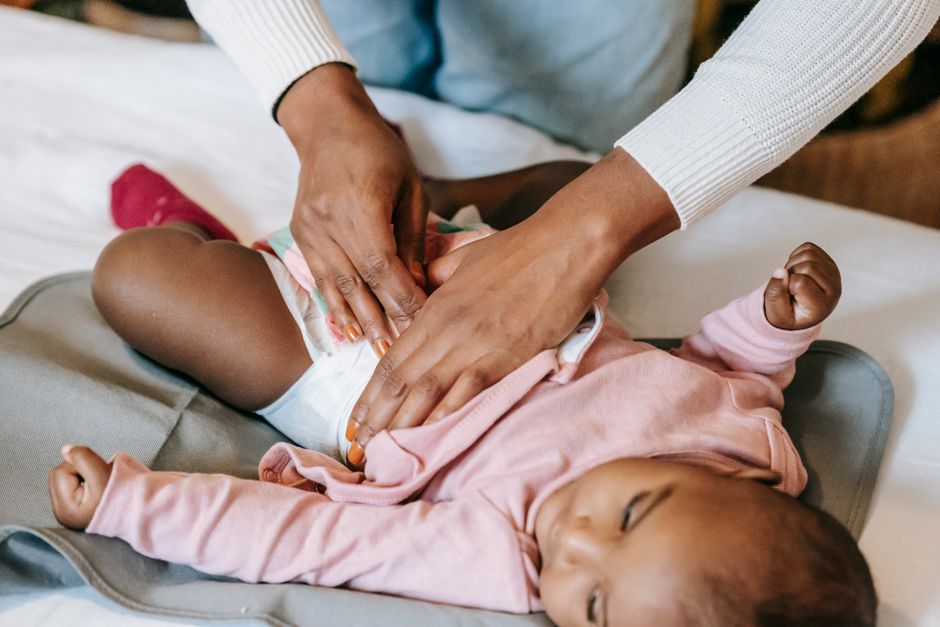
Dressing your baby for sleep at 75 degrees Fahrenheit is simpler than most parents expect. At this room temperature, your baby needs only one light layer of clothing, such as a short-sleeved onesie or a lightweight cotton sleeper, without any blankets or additional coverings. Overheating is a genuine risk factor for Sudden Infant Death Syndrome (SIDS), so the rule of thumb is to dress your baby in one layer more than what an adult would comfortably wear to sleep in the same room.
Why 75 Degrees Requires Special Attention
Most pediatric guidance focuses on keeping a nursery between 68 and 72 degrees Fahrenheit. At 75 degrees, the room is warmer than the ideal range, which means your baby’s clothing needs to be lighter. The most reliable way to know if your baby is comfortable is not the temperature of their hands or feet—those are often cooler because their circulation is still developing. Instead, check the back of their neck or their chest.
If that skin feels warm or slightly damp, your baby is too hot. If it feels cool, add a layer. At 75 degrees, a damp or sweaty neck is a clear signal that your baby is overdressed.
What To Dress Your Baby In At 75 Degrees
A single layer is the standard at this temperature. Good options include a short-sleeved bodysuit or onesie, a lightweight cotton footed sleeper, or a thin muslin sleep sack with no clothing underneath other than a diaper.
Cotton is the best fabric choice because it breathes and absorbs moisture. Avoid synthetic fabrics like polyester fleece, which trap heat and can cause your baby to sweat. Avoid wool layers at this temperature as well, since they are designed for insulation. If you use a sleep sack, check its TOG rating. A TOG rating of 0.5 is appropriate for warmer rooms. A TOG rating of 1.0 or higher is too warm for 75 degrees.
Signs Your Baby Is Too Hot
Babies cannot regulate their body temperature as effectively as older children and adults. They also cannot tell you when they are uncomfortable. You have to look for physical signs.
Check for these indicators of overheating:
- Damp hair or a damp neck
- Flushed or red cheeks
- Rapid breathing
- Irritability or unusual fussiness
- Heat rash, which appears as small red bumps on the skin
If you notice any of these, remove a layer immediately. Do not wait until your baby wakes up to address it. Overheating can happen quickly and silently during sleep.




What About Fans and Air Conditioning?
If your room is at 75 degrees and you have a ceiling fan running, the airflow can make the room feel cooler than the thermostat reads. A fan is generally safe and can even reduce SIDS risk, according to some research. However, you should still dress your baby for the actual room temperature, not the perceived temperature.
If you use air conditioning to bring the room down to the recommended 68 to 72 degree range, you can add a slightly warmer layer. At 72 degrees, a long-sleeved cotton sleeper or a 1.0 TOG sleep sack is appropriate. The key is to dress for the actual measured temperature of the room, not the temperature in the hallway or the setting on your thermostat.
How To Dress Your Baby For Sleep At 75 Degrees Without a Sleep Sack
If you choose not to use a sleep sack, a short-sleeved onesie is the safest option. Loose blankets are not recommended for babies under 12 months of age because they pose a suffocation risk. If your baby is over 12 months and you use a lightweight blanket, it should be thin and tucked securely at the foot of the crib, reaching no higher than the baby’s chest.
At 75 degrees, most babies do not need any blanket at all. If you are worried about your baby feeling exposed, a 0.5 TOG sleep sack provides a sense of security without adding significant warmth. The sleep sack also prevents your baby from kicking off covers and becoming cold during the night.
Nighttime Clothing by Age
Newborns and older infants have slightly different needs. Newborns, especially those under 12 weeks, have less body fat and may need one extra layer than an older baby. However, at 75 degrees, that extra layer is still just a thin cotton onesie under a light swaddle or a 0.5 TOG sleep sack.
Older babies who roll over should never be swaddled. Once a baby shows signs of rolling, swaddling increases the risk of suffocation. At that point, switch to a sleep sack that allows free movement of the arms and legs. The same clothing rules apply regardless of age: one light layer at 75 degrees.
Common Mistakes Parents Make
One of the most common mistakes is dressing a baby based on how cold the parent feels. Adults often sleep with more covers or wear warmer pajamas than their baby needs. Another mistake is checking the baby’s hands and feet for warmth. These extremities are naturally cooler and are not accurate indicators of core body temperature.
Some parents also overestimate the cooling effect of a fan. A fan circulates air but does not lower the room temperature. If the thermostat reads 75 degrees, your baby is in a 75-degree environment regardless of air movement.
Finally, avoid the temptation to add a hat during sleep. Babies lose heat through their heads, and hats can cause them to overheat quickly. Hats are appropriate for outdoor wear in cold weather, but they have no place in a warm nursery.
Room Temperature Guidelines
The widely cited recommendation for infant sleep rooms is between 68 and 72 degrees Fahrenheit. This range is supported by SIDS prevention research. Rooms warmer than 72 degrees increase the risk of overheating. Rooms cooler than 68 degrees can cause your baby to become too cold, which also disrupts sleep.
If you cannot control the temperature in your home and the room sits at 75 degrees, do not panic. Dress your baby in the lightest safe layer, ensure good air circulation, and monitor your baby’s temperature by feeling the back of the neck periodically through the night. A baby who is too warm will often wake frequently or seem restless in their sleep.
When To Call Your Pediatrician
If your baby feels very hot to the touch, has a temperature above 100.4 degrees Fahrenheit rectally, or is lethargic and difficult to wake, seek medical attention right away. These can be signs of heat-related illness or infection. Overheating from clothing alone rarely causes a fever, but it can contribute to dehydration and discomfort.
Trust your instincts. If something feels wrong with how your baby looks or behaves after a warm sleep, it is always appropriate to contact your pediatrician’s office for guidance.
Frequently Asked Questions
Is 75 degrees too hot for a baby to sleep in?
It is warmer than the ideal range of 68 to 72 degrees, but it is manageable with the right clothing. Dress your baby in a single light layer like a short-sleeved onesie and watch for signs of overheating.
Should a baby wear socks to sleep at 75 degrees?
Socks are not necessary at 75 degrees and can cause overheating. If your baby’s feet feel cool, that is normal and not a sign they need socks.
Can I use a fan if the room is 75 degrees?
Yes, a fan can improve air circulation and comfort. It does not change the room temperature, so you still need to dress your baby for 75 degrees.
What TOG rating is best for 75 degrees?
A 0.5 TOG sleep sack is the appropriate choice for a 75-degree room. Anything higher, like a 1.0 or 2.5 TOG, is too warm and increases the risk of overheating.
