
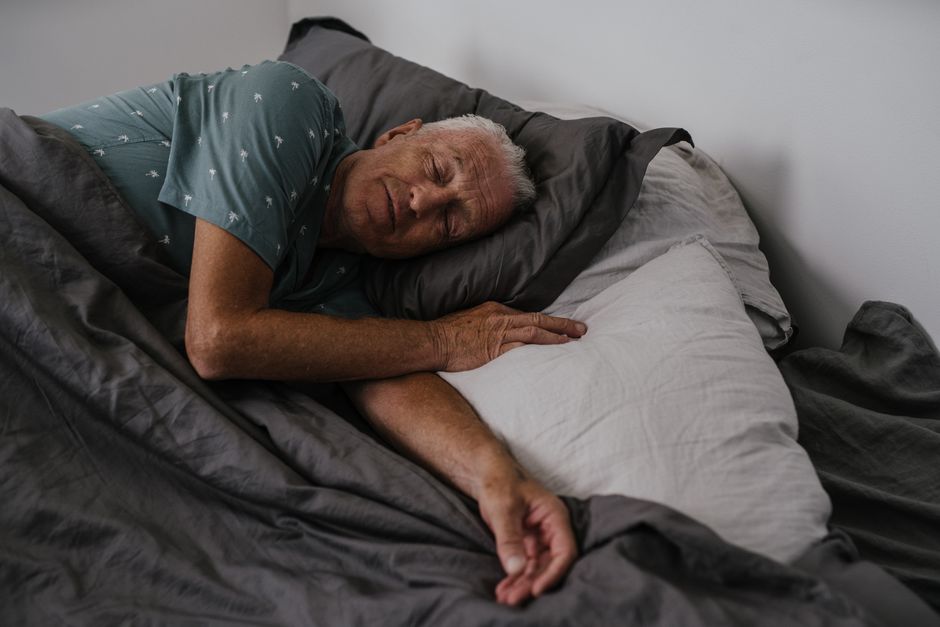
If you are looking for something to take for sleep, the options fall into three groups: behaviors and supplements that have some evidence behind them, over-the-counter products that work for some people, and prescription medications that require a doctor. Melatonin has the strongest evidence for shifting sleep timing, not for staying asleep. Magnesium and valerian have weaker or mixed evidence. Antihistamine sleep aids can help briefly but build tolerance fast. The right choice depends on what kind of sleep problem you actually have.
Why Does the Type of Sleep Problem Change What You Should Take?
Sleep problems are not one thing. They are several different problems that happen to share a symptom.
Trouble falling asleep is different from waking at 3 a.m. and not getting back down. Waking too early is different again. And a night of poor sleep caused by shift work is different from months of poor sleep driven by anxiety or a mood disorder.
This matters because most sleep aids are tested on one specific problem. A product that helps you fall asleep faster may do nothing for middle-of-the-night waking. A product marketed for “sleep support” may never have been tested on either.
Before reaching for anything, it helps to name the pattern. Do you lie awake for an hour? Do you sleep fine until 2 a.m.? Do you sleep eight hours and still feel drained? Those point in different directions.
One clarification worth making: feeling tired all day is not always a sleep problem. Conditions like sleep apnea, thyroid disorders, anemia, and depression can all produce fatigue that looks like poor sleep. No supplement fixes those.
What Can I Take For Sleep Options That Actually Work?
Here is an honest look at the main categories, ranked by how much evidence supports them.
Melatonin
Melatonin is a hormone your body releases in the evening to signal that night has arrived. It shifts your internal clock. It does not act as a sedative.
That distinction explains its strengths and limits. Melatonin has the best evidence for circadian problems — jet lag, delayed sleep phase (the person who cannot fall asleep until 2 a.m. and cannot wake before 10 a.m.), and shift work adjustment. For plain insomnia, the evidence is mixed and the effect is usually small.
Timing matters more than dose for melatonin. Taken at the wrong hour, it can shift your clock in the wrong direction. If you are using it for jet lag or a shifted schedule, the timing relative to your target bedtime is the part that does the work.
Doses sold in the US range widely, often far above what research studies have used. No clinical guidelines currently exist for melatonin dosing in children, and it should not be given to children without a pediatrician’s guidance.
Magnesium
Magnesium is involved in hundreds of body processes, including muscle and nerve function. A genuine deficiency can affect sleep. But most people eating a varied diet are not deficient.
Evidence that magnesium supplements improve sleep in people with normal levels is limited and mixed. Some small studies suggest a benefit, particularly in older adults. Larger, well-controlled trials are lacking.
Magnesium can interact with certain antibiotics, diuretics, and other medications. It also matters for people with kidney disease, who should not take it without medical advice.
Valerian, Chamomile, and Other Herbal Products
Valerian root is one of the most studied herbal sleep aids. Results across trials are inconsistent. Some studies show modest improvement in sleep latency — how long it takes to fall asleep — and others show none.
Chamomile, passionflower, and lavender have been studied far less. Evidence is preliminary. A cup of chamomile tea before bed is unlikely to cause harm for most people, but calling it a treatment for insomnia overstates what the research shows.
Herbal products are also loosely regulated in the US. What is on the label is not always what is in the bottle.
Over-the-Counter Antihistamine Sleep Aids
Products containing diphenhydramine or doxylamine work by blocking histamine, which causes drowsiness as a side effect. They are not designed as sleep medications.
They can help for a night or two. With regular use, tolerance develops within days to weeks, and the drowsiness fades. They also carry anticholinergic effects — dry mouth, constipation, confusion — that are more pronounced in older adults and are a real concern for long-term use.
These are widely sold and widely used. That does not make them a good long-term answer.
Prescription Medications
Prescription sleep medications exist and can be appropriate for short-term use or specific situations. They also carry risks: dependence, next-day grogginess, sleepwalking-type behaviors with some classes, and interactions with alcohol and other sedatives.
These are decisions to make with a clinician, not from a search result. If insomnia has lasted more than a few weeks, that conversation is worth having.
Does Cognitive Behavioral Therapy for Insomnia Beat Pills?
Yes, for chronic insomnia. This is one of the clearer findings in sleep medicine.
Cognitive behavioral therapy for insomnia, usually called CBT-I, is a structured program that changes the thoughts and behaviors maintaining poor sleep. It typically includes sleep restriction, stimulus control (using the bed only for sleep), and reframing unhelpful beliefs about sleep.
Research consistently shows CBT-I produces lasting improvement in chronic insomnia, and it outperforms sleeping medication over the long term. Medication tends to work while you take it and stops working when you stop. CBT-I teaches skills that keep working.
It is not a quick fix. It takes weeks and often makes sleep worse before it gets better, because sleep restriction temporarily reduces time in bed. Many people quit during that phase. Those who stick with it tend to see durable results.
CBT-I is available through trained therapists, some primary care practices, and digital programs. It is generally considered first-line treatment for chronic insomnia in adults.



What About Lifestyle Changes — Do They Actually Matter?
They matter more than most people expect, and they are the foundation everything else sits on.
The strongest levers are consistent wake time, morning light exposure, and limiting caffeine and alcohol close to bed.
- Consistent wake time. Waking at the same time daily anchors your circadian rhythm more effectively than a consistent bedtime.
- Morning light. Bright light within an hour of waking helps set your clock. Outdoor light is far stronger than indoor light.
- Caffeine timing. Caffeine has a half-life of roughly five to six hours in most adults, longer in some. A 3 p.m. coffee is still active at 9 p.m.
- Alcohol. It can make you fall asleep faster, then fragments sleep in the second half of the night. This is a common cause of 3 a.m. waking.
- Temperature. A cool bedroom supports the natural drop in core body temperature that accompanies sleep onset.
None of these are dramatic. Together they do more than most supplements.
Can You Take More Than One Sleep Aid at Once?
Combining sleep products is where people get into trouble.
Many over-the-counter sleep aids already contain an antihistamine plus other ingredients. Adding melatonin, magnesium, or a prescription sedative on top increases the risk of excessive sedation, falls, and next-day impairment.
Alcohol plus any sleep aid is a particularly bad combination. Both suppress breathing and reduce arousal, which is why the combination is linked to dangerous nighttime events.
If you are already taking medication for anxiety, depression, blood pressure, or seizures, check with a pharmacist before adding anything. Some interactions are significant.
When Should You See a Doctor Instead of Self-Treating?
See a clinician if insomnia lasts more than a few weeks, if it affects your daytime function, or if you have any of the following:
- Loud snoring, gasping, or pauses in breathing during sleep
- Falling asleep unintentionally during the day
- Restless legs or an urge to move your legs at night
- Sleep problems that started with a mood change
- Reliance on alcohol to fall asleep
These patterns suggest an underlying condition that no supplement will address. Sleep apnea in particular is common, underdiagnosed, and not treatable with melatonin or magnesium.
The honest position on sleep aids: the things with the strongest evidence are not the things sold in the supplement aisle. Behavior change and CBT-I outperform most products. Melatonin helps specific timing problems. Everything else ranges from mildly useful to unproven.
Frequently Asked Questions
What is the most effective thing to take for sleep?
Melatonin has the strongest evidence, but mainly for shifting sleep timing rather than treating insomnia. For chronic insomnia, cognitive behavioral therapy for insomnia outperforms any medication or supplement over the long term.
Is melatonin safe to take every night?
Short-term use appears safe for most adults, but long-term safety data are limited. It is not recommended for children or during pregnancy without medical guidance.
Do over-the-counter sleep aids stop working?
Yes. Antihistamine-based sleep aids build tolerance within days to weeks of regular use. They are better suited to occasional use than nightly use.
Can magnesium help me sleep?
Evidence is mixed, and most studies showing benefit involved older adults or people with low magnesium levels. In people with normal levels, the case is not well established.
