
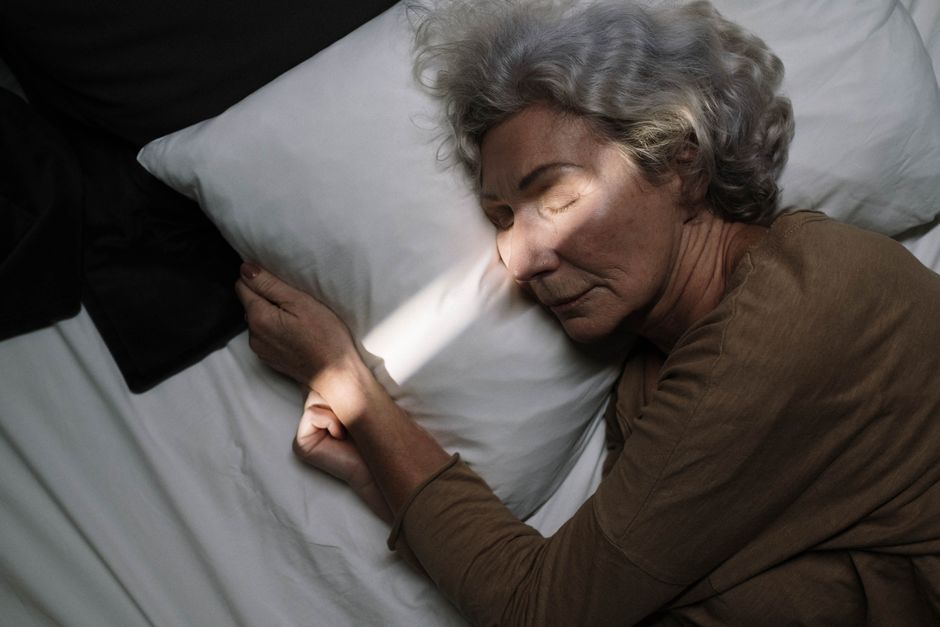
Most people who cannot fall asleep are not doing anything wrong — they are just fighting their own biology at the worst possible time. Sleep onset is not something you force. It is something you allow, and it depends on two systems working together: sleep pressure that builds through the day and a body clock that tells your brain when night has arrived. When those two are aligned, falling asleep usually happens in minutes. When they are not, you can lie in bed for an hour or more, no matter how tired you feel.
The fastest practical steps are the ones that work with those systems instead of against them. Get out of bed if you are not asleep after roughly 20 minutes. Keep your wake time the same every day, including weekends. Dim the lights and put screens away in the last hour before bed. Keep your bedroom cool and dark. Cut caffeine after early afternoon and skip alcohol as a sleep aid. If you do those things consistently, most people notice a real difference within one to two weeks.
Why Can’t I Fall Asleep Even When I’m Exhausted?
Feeling tired and being able to sleep are two different things. Tiredness is a signal. Sleep is a process your brain has to initiate, and it will not initiate if it reads the situation as unsafe, stimulating, or the wrong time of day.
The main brake on sleep onset is a system called hyperarousal. When you are stressed, your body releases cortisol and adrenaline, raises your heart rate, and keeps your thinking brain switched on. That state is useful during the day. At night it directly blocks the transition into sleep. This is why so many people feel exhausted but wired at the same time.
Two other forces matter just as much:
- Sleep pressure. A chemical called adenosine builds up in your brain the longer you are awake. It is what makes you feel sleepy at the end of a normal day. A long nap, or sleeping in late, drains some of that pressure before bedtime.
- Circadian timing. Your internal clock controls when your body releases melatonin and lowers your core temperature. If you go to bed before your clock says it is night, you can lie there awake even with high sleep pressure.
There is one more piece that gets overlooked. The bed itself becomes a trigger. If you have spent many nights in bed frustrated and awake, your brain starts linking the bed with being awake and anxious rather than with sleep. That link gets stronger with repetition, and it is one of the main reasons chronic insomnia keeps going even after the original stressor is gone.
What Is The Single Most Effective Thing I Can Do Tonight?
If you are awake in bed and it is clearly not happening, get up. Leave the room. Do something quiet and boring in dim light until you feel genuinely sleepy, then go back to bed.
This is not a trick. It is the core of a treatment called stimulus control, and it is one of the most studied behavioral approaches for insomnia. The logic is simple: you are retraining the association between your bed and sleep. Lying there for two hours trying harder does the opposite — it teaches your brain that bed equals struggle.
A few things to keep in mind:
- Keep the lights low and the activity dull. Reading something calm, folding laundry, or sitting quietly all work. Scrolling does not.
- Do not check the clock. Clock-watching feeds the arousal that is keeping you up.
- Repeat as needed. It may take several nights before the association starts to shift.
This approach is usually paired with keeping a fixed wake time. Together they form the backbone of cognitive behavioral therapy for insomnia, known as CBT-I, which is generally considered the first-line treatment for chronic insomnia in adults. It is not a quick fix, but the evidence behind it is stronger than for most sleep aids.
Does My Body Clock Matter More Than I Think?
Yes, and it is the part most people ignore. Your circadian rhythm is set mainly by light exposure, especially in the morning. Getting bright light soon after you wake tells your clock that the day has started, which in turn sets up the timing of melatonin release that evening.
Two habits tend to break this system:
- Sleeping in on weekends. A two- or three-hour shift is enough to push your clock later, which is why Sunday nights are often the hardest of the week.
- Bright light at night. Light in the evening, from screens or overhead lamps, tells your brain it is still daytime and delays melatonin release.
The fix is not complicated. Get outside or near a bright window within an hour of waking. Dim your environment in the two hours before bed. Keep your wake time the same seven days a week, even after a bad night. That last one is uncomfortable, but it is what anchors the clock.
One clarification worth making: the evidence on blue-light-blocking glasses is mixed. Some studies suggest a small benefit for people who use screens late, but results vary and the effect is generally modest compared with simply reducing light and screen time overall.





What Actually Helps Me Fall Asleep Faster?
The things that reliably help are unglamorous, and they work because they lower arousal and support your clock. None of them are instant, and none of them work in isolation.
- Keep a fixed wake time. Same time every day, including weekends. This is the anchor for everything else.
- Get morning light. Ten to thirty minutes of outdoor light shortly after waking helps set your clock.
- Cut caffeine after early afternoon. Caffeine has a long half-life, meaning a meaningful amount is still in your system many hours later. For most adults, stopping by early afternoon is a reasonable cutoff, though sensitivity varies widely.
- Be careful with alcohol. It can make you feel drowsy, but it disrupts sleep architecture and tends to cause fragmented sleep and early waking. It is not a sleep aid.
- Cool, dark, quiet room. Core body temperature needs to drop for sleep to begin. A warm room works against that.
- Wind-down routine. The same low-key sequence each night signals to your brain that sleep is coming.
- Move your body during the day. Regular daytime activity is linked with better sleep, though intense exercise close to bedtime can be stimulating for some people.
What does not have strong evidence behind it: most over-the-counter sleep supplements. Melatonin is the most studied, and it appears most useful for shifting timing — jet lag, shift work — rather than for general difficulty falling asleep. The evidence for most other popular supplements is limited, and no large human trials have confirmed many of the claims made for them.
When Should I Stop Trying On My Own?
Occasional trouble falling asleep is normal. It becomes worth addressing with a clinician when it happens most nights, lasts for weeks or longer, and starts affecting your daytime functioning — mood, focus, or safety.
Some signs it is time to get help:
- You have tried the basics for several weeks with little change.
- You snore heavily, gasp, or stop breathing in your sleep. This can point to sleep apnea, which needs proper evaluation and is not something behavioral changes will fix.
- You feel an overwhelming urge to move your legs at night, which can suggest restless legs syndrome.
- Your mood is low, or you feel anxious most days.
- You are relying on alcohol or sleep aids to get to sleep regularly.
For chronic insomnia, CBT-I is generally the recommended first-line approach, and it can be delivered by a trained clinician or through structured programs. Some clinicians also prescribe medication, but this is a decision to make with a doctor, not something to self-manage. Many sleep medications carry risks of dependence, tolerance, and next-day grogginess, and the evidence for long-term benefit is limited.
One honest note: the advice in this article is general. It is not a substitute for an evaluation if your sleep problems are persistent, and it is not tailored to specific medical conditions or medications. If you are unsure, ask a clinician.
Frequently Asked Questions
How long should it take to fall asleep?
For most healthy adults, falling asleep within about 10 to 20 minutes of getting into bed is typical. Consistently taking longer than 30 minutes on most nights may suggest a sleep onset problem worth addressing.
Does melatonin help me fall asleep faster?
The evidence suggests melatonin is most useful for shifting your body clock, such as with jet lag or shift work, rather than for general difficulty falling asleep. Its effect on sleep onset in typical insomnia is generally modest.
Is it bad to lie in bed awake trying to sleep?
Yes, staying in bed awake for long periods tends to strengthen the link between your bed and being awake and frustrated. Getting up after roughly 20 minutes and returning only when sleepy is the standard behavioral approach.
What should I do if I wake up in the middle of the night and can’t fall back asleep?
Keep the lights low, avoid checking the clock, and get up if you are not sleepy rather than lying there. Return to bed when you feel drowsy, and keep your wake time the same the next morning.
