
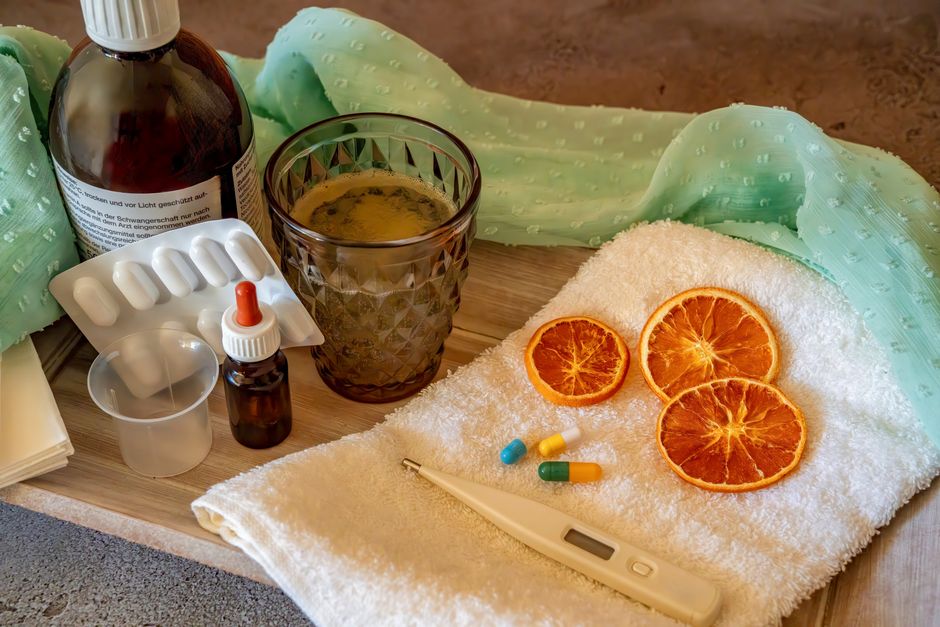
Strep throat is a bacterial infection that needs antibiotics, and that single fact shapes almost everything you can do at home. The most important step is to get tested and, if the test is positive, take the full course of antibiotics exactly as prescribed. Home remedies can ease pain and help you swallow, but none of them cure the infection on their own. Rest, fluids, warm saltwater gargles, and over-the-counter pain relievers are the main tools that make the days before you feel better more bearable.
What Is Strep Throat and How Do You Know You Have It?
Strep throat is an infection of the throat and tonsils caused by group A Streptococcus bacteria. It is most common in children ages 5 to 15, but adults get it too, and it spreads easily through respiratory droplets when someone coughs or sneezes.
The tricky part is that strep throat looks a lot like viral pharyngitis, which is far more common. You cannot reliably tell them apart by symptoms alone. A sore throat with fever, swollen tonsils, white patches, and swollen lymph nodes in the neck suggests strep, but viral infections can cause the same picture. Cough and runny nose point more toward a virus, since strep rarely causes those.
The only way to know is a test. Rapid antigen tests give results in minutes, and a throat culture takes a day or two. A healthcare provider decides which is appropriate. This matters because antibiotics help only bacterial infections, and using them for a virus does nothing except add side effects and feed antibiotic resistance.
Why Antibiotics Matter More Than Any Home Remedy
Strep throat is one of the few sore throats where antibiotics are genuinely necessary, not optional. The reason goes beyond feeling better faster.
Untreated group A strep can lead to complications. The most serious is rheumatic fever, an inflammatory condition that can damage heart valves. It is now rare in the United States, but it still occurs, and it is the main reason clinicians treat strep throat promptly. A less common but serious complication is a kidney inflammation called post-streptococcal glomerulonephritis.
Antibiotics also shorten how long you are contagious. Someone with untreated strep can spread it for weeks. Once on appropriate antibiotics, most people are no longer considered contagious after about 24 hours, provided their fever has resolved.
This is why home remedies sit in a supporting role. They help you cope. They do not replace the prescription.
What Can I Do For Strep Throat Treatment Tips at Home?
Home care focuses on three goals: reduce pain, stay hydrated, and rest so your body can recover. None of these treat the bacteria, but they make a real difference in how you feel.
- Warm saltwater gargle. Mix about half a teaspoon of salt in a glass of warm water and gargle several times a day. This is a traditional remedy that can temporarily ease throat pain and reduce swelling. The evidence for how well it works is limited, but it is low risk for most people.
- Cold liquids and soft foods. Ice water, popsicles, and cold smoothies can numb a sore throat. Soft foods like yogurt, applesauce, and mashed potatoes are easier to swallow than anything crunchy or acidic.
- Warm drinks. Tea with honey, warm broth, or warm water with lemon can soothe irritation. Do not give honey to infants under 12 months old because of the risk of infant botulism.
- Humidified air. A cool-mist humidifier adds moisture to the air and can keep your throat from feeling drier and more raw.
- Rest your voice. Talking, yelling, and clearing your throat repeatedly can aggravate inflamed tissue.
Avoid irritants like smoke, strong fumes, and very spicy or acidic foods while your throat is raw. These do not cause strep, but they make the pain worse.





Which Pain Relievers Help and How Should You Use Them?
Over-the-counter pain relievers are the most reliable way to reduce strep throat pain and fever. The two main options are acetaminophen and nonsteroidal anti-inflammatory drugs such as ibuprofen or naproxen.
Follow the dosing instructions on the package or those given by your clinician. Do not exceed the maximum daily dose, and take care not to double up on products that contain the same ingredient. Many combination cold and flu medicines include acetaminophen, so it is easy to accidentally take more than intended.
Ibuprofen and similar drugs can irritate the stomach and are generally not recommended for people with certain kidney problems, stomach ulcers, or bleeding disorders. Acetaminophen can harm the liver in high doses or when combined with alcohol. If you have any chronic condition or take other medications, check with a pharmacist or clinician before choosing one.
Medicated throat sprays and lozenges can numb the throat briefly. They offer short-term relief and do not treat the infection. Some contain benzocaine, which in rare cases can cause a blood condition called methemoglobinemia, so use them as directed and not excessively.
How Long Does Strep Throat Last and When Do You Feel Better?
With appropriate antibiotic treatment, most people start to feel better within 24 to 48 hours. Fever typically breaks first, and throat pain eases over the following days. Full recovery usually takes about a week.
Without antibiotics, symptoms may improve on their own in roughly a week as well, but the risk of complications and the length of time you can spread the infection are both higher. That is the trade-off that makes testing and treatment worthwhile.
Finish the entire antibiotic course even if you feel fine after a few days. Stopping early can allow surviving bacteria to rebound and contributes to antibiotic resistance.
Call a healthcare provider if symptoms are not improving after a few days on antibiotics, if fever returns after resolving, if you have trouble breathing or swallowing, if you cannot keep fluids down, or if you notice a rash, joint pain, or swelling. These can signal complications or a different diagnosis.
What About Home Remedies You See Online?
Search the internet for strep throat and you will find claims about apple cider vinegar, garlic, essential oils, and various supplements. It is worth being direct about this: no clinical evidence confirms that any of these cure or treat a strep infection.
Garlic and honey have some antibacterial properties in laboratory studies, but that is not the same as working inside a human throat against group A Streptococcus. Laboratory results frequently do not translate into real clinical benefit. Apple cider vinegar can be harsh on already inflamed tissue and may make pain worse.
Essential oils should not be swallowed, and some are toxic if ingested. Do not gargle or drink them.
None of this means you cannot use a remedy that feels soothing. It means you should not use one instead of antibiotics or as a reason to skip testing. If a product claims to cure strep throat, that claim is not supported by evidence.
How Do You Keep From Spreading Strep to Others?
Strep spreads through respiratory droplets and shared items, so a few habits limit transmission.
- Stay home from work or school until you have been on antibiotics for at least 24 hours and your fever is gone.
- Wash your hands often with soap and water, especially after coughing or sneezing.
- Cover your mouth and nose when you cough or sneeze, and throw tissues away right after use.
- Do not share drinking glasses, utensils, water bottles, or toothbrushes.
- Clean frequently touched surfaces like doorknobs and countertops.
Someone in your household who develops a sore throat and fever should be tested too, since strep moves easily between people in close contact.
When Should You See a Doctor?
See a healthcare provider for any sore throat that comes with fever, swollen tonsils, white patches, or swollen neck glands, and especially if there is no cough. Those features raise the odds of strep and warrant testing.
Seek care promptly if you have difficulty swallowing your own saliva, trouble breathing, a muffled voice, drooling, or swelling on one side of the throat. These can indicate a deeper infection or an abscess, which needs urgent treatment.
People with weakened immune systems, a history of rheumatic fever, or certain heart conditions should be evaluated early, since their risk of complications is higher. If you are unsure whether your symptoms need attention, it is reasonable to call your clinician rather than wait.
Frequently Asked Questions
Can strep throat go away on its own without antibiotics?
Symptoms often improve within about a week without treatment, but the infection can still lead to complications like rheumatic fever. Antibiotics are recommended to speed recovery and lower that risk.
What is the fastest way to feel better with strep throat?
Starting prescribed antibiotics is the fastest route to feeling better, with most people improving within 24 to 48 hours. Over-the-counter pain relievers, warm saltwater gargles, and cold fluids help manage pain in the meantime.
Are home remedies like apple cider vinegar or garlic effective for strep throat?
No clinical evidence confirms that any home remedy cures a strep infection. Some may soothe symptoms, but none replace antibiotics, and harsh substances like undiluted vinegar can irritate your throat further.
How long am I contagious with strep throat?
Without antibiotics, you can spread strep for weeks. After starting appropriate antibiotics, most people are no longer considered contagious after about 24 hours, as long as their fever has resolved.
