
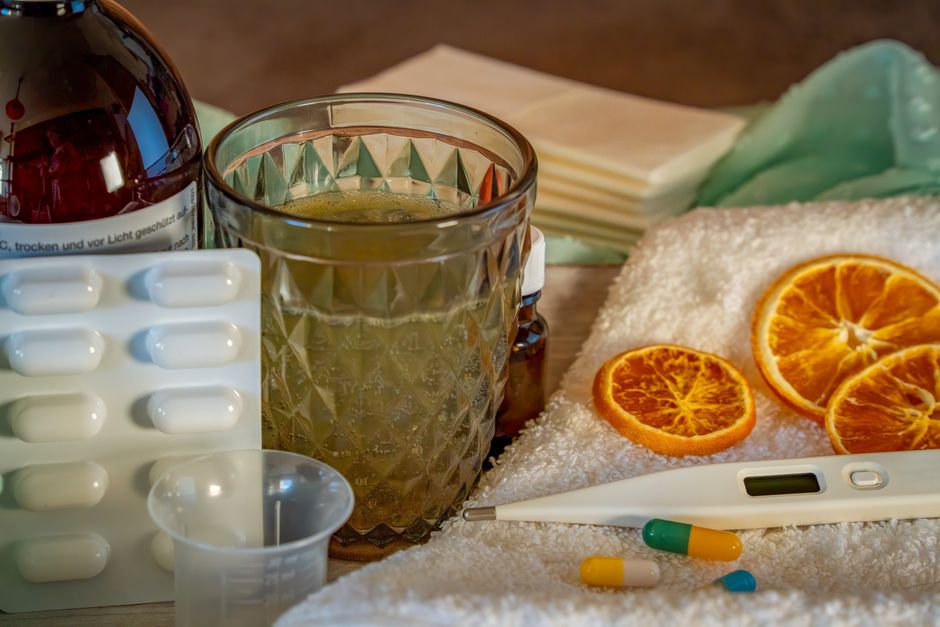
A fever is not the illness. It is your body’s response to one. When your temperature climbs, your immune system is working harder, and in most cases that is exactly what it should be doing. For adults and children over 3 months, the safest home approach is to keep the person comfortable and hydrated, use fever-reducing medicine only when needed, and watch for signs that the fever is part of something more serious.
Fever itself is rarely dangerous. How you manage it at home matters more than how high the number gets.
What Counts As A Fever?
A fever is generally defined as a temperature of 100.4°F (38°C) or higher. Normal body temperature sits around 98.6°F (37°C), but it moves throughout the day. It tends to be lower in the early morning and higher in the late afternoon or evening.
How you measure matters. Rectal temperatures run slightly higher than oral readings. Ear and forehead thermometers are convenient but can be less accurate if not positioned correctly. For infants under 3 months, a rectal temperature is the standard because accuracy is critical at that age.
Not every elevated temperature is a fever worth treating. Mild elevations can happen after exercise, in hot weather, or after a warm bath. A true fever usually comes with other signs — feeling cold, shivering, body aches, or a flushed face.
Some people run naturally cooler or warmer than average. A temperature of 99.5°F might feel like a fever to one person and be completely normal for another. The number alone does not tell the whole story.
How To Help A Fever Safe Treatment At Home
Most fevers in otherwise healthy adults and children over 3 months can be managed at home without medical intervention. The goal is not to force the temperature back to normal. The goal is to keep the person safe and comfortable while their body does its job.
Here is what actually helps:
- Fluids. Fever increases fluid loss through sweating and faster breathing. Offer water, clear broth, or an oral rehydration solution regularly. For children, small sips more often work better than large amounts at once.
- Rest. The body needs energy to fight infection. Rest supports that process. There is no need to force activity.
- Light clothing and a light blanket. Dress the person in one layer of comfortable clothing. Add a light blanket if they feel cold. Remove layers if they feel hot.
- Room temperature comfort. Keep the room at a comfortable temperature. There is no evidence that a cool room shortens a fever, but an uncomfortably hot room makes anyone feel worse.
- Fever-reducing medicine when appropriate. For adults, acetaminophen or ibuprofen can lower temperature and ease discomfort. These do not treat the underlying cause. They manage symptoms.
What does not help — and can cause harm:
- Cold baths or ice packs. These can cause shivering, which raises core temperature and makes the person more uncomfortable.
- Rubbing alcohol on the skin. This is dangerous. Alcohol absorbs through the skin and can cause poisoning, especially in children.
- Starving a fever. There is no evidence that withholding food helps. If the person is hungry, let them eat. If they are not, focus on fluids.
- Wrapping in heavy blankets to “sweat it out.” This traps heat and can push the temperature higher.
When Should You Use Fever-Reducing Medicine?
Fever-reducing medicine is for comfort, not for the number on the thermometer. If a person has a fever but feels okay, medicine is not required. If they are achy, irritable, or unable to rest, medicine can help.
Acetaminophen and ibuprofen are the two most common options. They work differently. Acetaminophen affects the brain’s temperature regulation. Ibuprofen reduces inflammation and also lowers temperature.
For adults, follow the dosing instructions on the package. For children, dosing is based on weight, not age. A child’s weight matters more than how old they are. If you are unsure about the right dose for a child, call a pharmacist or pediatrician.
Aspirin should not be given to children or teenagers recovering from a viral illness. It is linked to Reye’s syndrome, a rare but serious condition that affects the liver and brain. This is well established and not debated.
Do not alternate acetaminophen and ibuprofen unless a clinician specifically tells you to. Some parents do this to keep fever down continuously. The evidence does not show it improves outcomes, and it increases the risk of dosing errors.





What About Fevers In Infants And Young Children?
Age changes everything. A fever in a newborn is a medical emergency. Any infant under 3 months with a rectal temperature of 100.4°F (38°C) or higher needs to be seen by a doctor right away. Do not treat at home and wait.
For babies 3 to 6 months old, call a doctor for any fever. For children 6 months and older, home care is usually appropriate if the child is drinking fluids, having normal wet diapers, and responding to you.
Watch for these signs in children of any age:
- Inconsolable crying or extreme irritability
- Unusual sleepiness or trouble waking
- Stiff neck, rash that does not fade when pressed, or trouble breathing
- Refusing to drink or signs of dehydration (fewer wet diapers, no tears, dry mouth)
- A fever that lasts more than 3 days
Febrile seizures can happen in young children with fever. They are frightening to watch but most are brief and do not cause lasting harm. If a seizure lasts more than 5 minutes or the child does not recover quickly, call 911.
What About Fevers In Adults?
Most adult fevers from common viral infections resolve within a few days. Home care with fluids, rest, and fever-reducing medicine as needed is usually enough.
Seek medical care if you have:
- A fever above 103°F (39.4°C) that does not come down with medicine
- A fever lasting more than 3 days
- Severe headache, stiff neck, confusion, or trouble breathing
- A rash, especially one that does not fade when pressed
- Chest pain, repeated vomiting, or severe abdominal pain
- A weakened immune system from medication or a health condition
Adults over 65 may not mount a strong fever response. A mild temperature elevation in an older adult can still signal a serious infection. Do not dismiss a low-grade fever in this group.
What About The “Feed A Cold, Starve A Fever” Idea?
This saying has been around for centuries. The evidence does not support it. There is no clinical reason to withhold food during a fever, and there is no evidence that eating shortens a cold.
The body needs energy and fluids during any infection. If a person is hungry, they should eat. If they are not hungry, fluids are the priority. Forcing food on someone who feels nauseated can lead to vomiting and more fluid loss.
The real rule is simpler: drink fluids, eat if you can, and rest.
Does A Higher Fever Mean A Worse Illness?
Not necessarily. Fever height does not reliably predict how serious an illness is. A child with a mild viral infection can spike to 104°F. An adult with a serious bacterial infection can have a modest fever or none at all.
What matters more is how the person looks and acts. A person with a high fever who is drinking fluids and responsive is generally less concerning than a person with a low fever who is confused, limp, or struggling to breathe.
This is why doctors ask about behavior, not just temperature. The number is one data point. The whole picture is what counts.
How Long Should A Fever Last?
Most viral fevers in adults and children last 2 to 3 days. Some can last up to 5 days. A fever that persists beyond 3 days without improvement, or one that goes away and returns, should be evaluated by a doctor.
Bacterial infections may cause fevers that do not resolve without antibiotics. If a fever is accompanied by specific symptoms — ear pain, sore throat with white patches, painful urination, or a persistent cough — those symptoms help identify the source.
There is no home remedy that reliably shortens the duration of a fever caused by infection. The fever ends when the immune system brings the infection under control. Home care supports comfort and safety during that process.
Frequently Asked Questions
How do you break a fever safely at home?
Offer fluids, keep the person in light clothing, and use acetaminophen or ibuprofen if they are uncomfortable. Do not use cold baths, ice packs, or alcohol rubs, as these can cause shivering and raise core temperature.
When should I worry about a fever?
Worry if the fever is in an infant under 3 months, lasts more than 3 days, or comes with confusion, stiff neck, trouble breathing, or a rash that does not fade when pressed. These signs need medical evaluation right away.
Should I let a fever run its course?
For most healthy adults and children over 3 months, a fever does not need to be suppressed if the person is comfortable. Treat the discomfort, not the number, and focus on fluids and rest.
What temperature is too high for home treatment?
A fever above 103°F (39.4°C) that does not respond to fever-reducing medicine, or any fever with severe symptoms, should be evaluated by a doctor. For infants under 3 months, any fever of 100.4°F (38°C) or higher needs immediate medical attention.
