
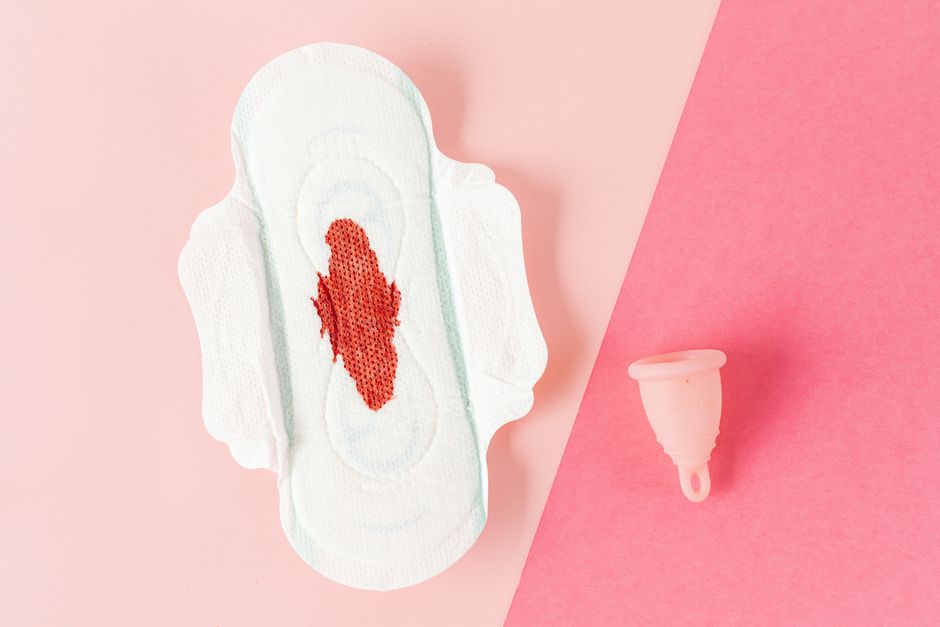
A late period is not always a sign of pregnancy. Stress, significant weight change, thyroid problems, polycystic ovary syndrome (PCOS), perimenopause, and intense exercise are among the most common reasons a menstrual cycle runs late when pregnancy has been ruled out.
The menstrual cycle is controlled by a chain of hormone signals between the brain and the ovaries. When any link in that chain is disrupted — by stress, illness, weight change, or a hormonal condition — ovulation can be delayed or skipped. When ovulation is late, the period that follows it is late too.
How Does the Menstrual Cycle Actually Work?
The cycle is a feedback loop between the brain and the ovaries. The hypothalamus releases gonadotropin-releasing hormone (GnRH). That signals the pituitary gland to release follicle-stimulating hormone (FSH) and luteinizing hormone (LH). Those hormones tell the ovaries to mature an egg and release it.
Ovulation is the midpoint event. After an egg is released, the empty follicle becomes a structure called the corpus luteum, which produces progesterone. Progesterone builds up the uterine lining. If no pregnancy occurs, the corpus luteum breaks down, progesterone drops, and the lining sheds. That shedding is the period.
Here is the key point: the second half of the cycle — from ovulation to bleeding — is fairly consistent, generally around 14 days. The first half is the variable part. If ovulation happens late, the period happens late by roughly the same amount of time. This is why the timing of ovulation, not the period itself, is what most cycle disruptions actually affect.
A typical cycle runs about 21 to 35 days from the first day of one period to the first day of the next. Cycles outside that range, or cycles that suddenly change, are worth discussing with a clinician.
What Can Cause Late Periods Besides Pregnancy?
Most non-pregnancy causes of a late period work by disrupting ovulation. The list is longer than many people expect, and more than one factor can be involved at the same time.
Stress and Emotional Strain
Psychological stress can suppress the hypothalamus signal that starts the whole cycle. When that signal is weakened, ovulation may be delayed. This is well established and is sometimes called functional hypothalamic amenorrhea when it becomes ongoing. Short-term stress may cause a single late period. Ongoing stress can cause missed periods over several months.
Significant Weight Change
Both weight loss and weight gain can affect ovulation. Low body fat and rapid weight loss can reduce the hormonal signals that trigger ovulation. Excess body fat can raise estrogen levels and disrupt the normal hormone balance. The relationship is not about a specific number on a scale — it is about how much the change affects the body’s hormone signaling.
Intense Exercise
Very high training loads, especially combined with low calorie intake, can interrupt ovulation. This is seen most often in endurance athletes, dancers, and others training at high volume. It is not simply about exercise being “too much” — it is the combination of energy demand and energy availability that matters.
Polycystic Ovary Syndrome (PCOS)
PCOS is a common hormonal condition in which ovulation is irregular or absent. It involves higher levels of androgens and often insulin resistance. Periods may be late, infrequent, or unpredictable. PCOS is a clinical diagnosis, not something identified by a single lab test.
Thyroid Problems
Both an underactive thyroid (hypothyroidism) and an overactive thyroid (hyperthyroidism) can disrupt the cycle. Thyroid hormone interacts with reproductive hormones, and changes in thyroid function are a recognized cause of irregular or late periods.
Perimenopause
Perimenopause is the transition years before menopause. During this time, hormone levels fluctuate widely, and cycles often become irregular — sometimes shorter, sometimes longer. For many people in their 40s, this is the most likely explanation for a changing cycle pattern.
Other Medical and Lifestyle Factors
- High prolactin levels, which can result from certain medications or pituitary issues
- Certain prescription medicines, including some antidepressants and antipsychotics
- Illness, infection, or major physical stress on the body
- Recent use of emergency contraception, which can shift the next cycle
- Stopping or changing hormonal birth control, which can cause a temporary delay
- Chronic conditions such as poorly controlled diabetes
This is not a complete list. A late period can also be the first sign of a health issue that has not yet been identified, which is one reason persistent changes deserve medical attention.
How Do You Tell the Difference Between Stress, PCOS, and Perimenopause?
You often cannot tell the difference on your own, because the symptoms overlap. Context helps, but it does not confirm a cause.
Stress-related changes usually line up with a stressful period and tend to resolve when the stress eases. PCOS often comes with other signs, such as acne, excess hair growth, or weight changes, and a long history of irregular cycles. Perimenopause usually appears in the 40s and brings other symptoms like hot flashes or sleep changes.
None of these patterns is reliable enough to self-diagnose. A clinician can check hormone levels, thyroid function, and other markers to narrow down the cause. Self-diagnosis based on symptoms alone frequently leads people to the wrong conclusion.





When Should a Late Period Be Checked by a Doctor?
A single late period in someone with otherwise regular cycles is often not a concern. But certain patterns warrant a medical evaluation.
- No period for 90 days or longer in someone who is not pregnant
- Cycles that are consistently shorter than 21 days or longer than 35 days
- A sudden, lasting change in a previously regular cycle
- Late or missed periods along with severe pain, heavy bleeding, or unusual discharge
- Signs of a hormonal problem, such as new hair growth, hair loss, or nipple discharge
- Difficulty getting pregnant
These are general guideposts, not a diagnosis. A clinician can decide what testing is appropriate. There is no single test that identifies the cause of a late period — evaluation usually involves a combination of history, exam, and lab work.
Can Lifestyle Changes Help Regulate a Late Period?
When a late period is linked to stress, weight change, or overtraining, addressing that underlying factor is the most direct path to restoring a regular cycle. But the evidence for specific lifestyle “fixes” varies, and no lifestyle change is a guaranteed solution.
For stress-related cycle changes, stress management approaches are commonly recommended, though the strength of evidence varies by method. For weight-related changes, restoring a stable, adequate energy intake is generally the goal, but this should be done sensibly and, in cases of significant weight loss or gain, ideally with medical guidance.
For PCOS, thyroid conditions, and high prolactin, lifestyle changes alone are often not enough. These conditions typically need specific medical treatment. Managing them is not about willpower or diet — they are hormonal conditions that require appropriate care.
Be cautious of any product or program that claims to “reset” your cycle or guarantee regular periods. No supplement or diet has been shown to reliably correct a late period caused by a hormonal disorder.
Does a Late Period Always Mean Something Is Wrong?
No. Occasional cycle variation is normal. Many people have a cycle that shifts by a few days from month to month, and an occasional late period is common without any underlying problem.
The pattern matters more than any single cycle. One late period after a stressful month or a change in routine is usually not a sign of disease. A pattern of late or missed periods, or a change that persists, is what deserves attention.
It is also worth remembering that “late” is measured against your own normal. A person with a 35-day cycle is not late on day 30. Knowing your typical cycle length makes it easier to recognize when something has genuinely changed.
Frequently Asked Questions
Can stress alone really delay a period?
Yes. Stress can suppress the brain signal that triggers ovulation, which delays the period that follows. This is a well-established effect, though how much stress is needed varies from person to person.
How late can a period be before it is a concern?
A single late period is often not a concern, but no period for 90 days or longer in someone who is not pregnant warrants a medical evaluation. Persistent cycle changes should also be checked.
Can PCOS cause a late period without other symptoms?
Yes. Irregular or late periods can be the main sign of PCOS, and some people have few other obvious symptoms. PCOS is diagnosed by a clinician using history, exam, and lab tests, not by symptoms alone.
Can losing weight cause a late period?
Yes. Significant or rapid weight loss can reduce the hormonal signals that trigger ovulation, leading to late or missed periods. Restoring adequate energy intake often helps, but this should be done with medical guidance when weight loss has been substantial.
