
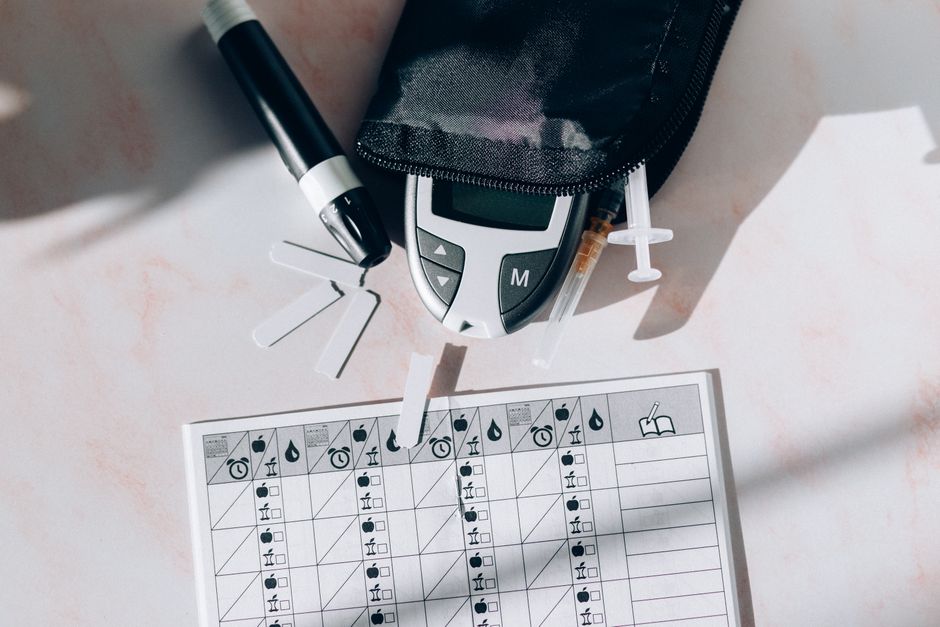
High blood glucose, also called high blood sugar, is a condition where the body cannot properly move sugar from the blood into the cells that need it for energy. The most common causes are eating too many carbohydrates at once, not having enough insulin, or the body not responding to insulin effectively. Stress, illness, and skipping certain medications can also push glucose levels upward. Understanding the specific triggers is the first step to keeping blood sugar within a healthy range.
What Can Cause Glucose Levels To Be High?
Glucose levels rise when the balance between sugar intake and insulin action is broken. Insulin is the hormone that opens the cells so sugar can enter and be used for fuel. When insulin is missing, insufficient, or not working well, sugar stays in the bloodstream instead of entering the cells. This leads to a high reading on a glucose meter.
In type 1 diabetes, the body stops making insulin entirely. In type 2 diabetes, the body makes insulin but the cells resist its effects. This condition is called insulin resistance. Over time, the pancreas may also produce less insulin in type 2 diabetes. Both pathways result in excess sugar circulating in the blood.
How Do Foods and Drinks Affect Blood Sugar?
Carbohydrates have the biggest impact on blood glucose. Foods like bread, rice, pasta, fruit, and sugary drinks break down into glucose during digestion. The speed and amount of that breakdown matter. Simple sugars and refined grains spike glucose quickly. Fiber slows the process, which is why whole foods tend to cause smaller, slower rises.
Portion size matters as much as food type. A large serving of even healthy carbohydrates can overwhelm the body’s ability to manage glucose. Protein and fat do not raise blood sugar directly, but they can slow the absorption of carbohydrates eaten in the same meal. This is why a balanced plate often produces a more stable glucose response.
Some research suggests that the order of eating may matter. Eating vegetables and protein before carbohydrates may reduce the post-meal glucose spike. The evidence is still developing, but the general principle of a balanced meal is well supported.
What Role Does Physical Activity Play?
Muscles use glucose for energy during movement. When you exercise, your muscles pull sugar from the blood without needing as much insulin. This effect can last for hours after you finish. Regular physical activity improves insulin sensitivity, meaning the body needs less insulin to manage the same amount of glucose.
On the other hand, inactivity has the opposite effect. A sedentary day leaves more glucose in the bloodstream. Even short walks after meals can help lower post-meal glucose levels. The effect is real and measurable, but it does not replace medication for people who need it.
Very intense exercise can sometimes raise blood sugar temporarily. This happens because the body releases stress hormones like adrenaline, which signal the liver to release stored glucose. This is a normal response, not a sign of failure. The overall effect of regular exercise is clearly beneficial for glucose control.





How Does Stress Raise Blood Glucose?
Stress triggers the release of hormones such as cortisol and adrenaline. These hormones tell the liver to release glucose into the blood. This is a survival mechanism designed to give you quick energy. In the modern world, that response can happen during a work deadline, an argument, or even a traffic jam.
For people without diabetes, the body quickly releases insulin to manage this extra glucose. For people with diabetes or insulin resistance, the stress response can push glucose into a high range. Chronic stress keeps cortisol levels elevated, which can lead to persistently higher blood sugar over time.
Sleep deprivation is a form of physical stress. Poor sleep is linked to higher fasting glucose and increased insulin resistance. The relationship between sleep and glucose is well documented in clinical research. Improving sleep quality is a practical step for better glucose management.
Can Illness or Infection Cause High Glucose?
Any infection or illness can raise blood sugar. The immune system releases inflammatory chemicals that interfere with insulin function. The body also produces stress hormones during illness, which increases glucose production. This is why a cold, flu, or urinary tract infection can cause unexpected high readings.
People with diabetes often need more insulin or medication during illness. Blood sugar can rise even before other symptoms appear. Monitoring glucose more frequently during sickness is a common clinical recommendation. If glucose stays very high for more than a day during illness, medical advice should be sought.
What Medications Can Raise Blood Sugar?
Several common medications can increase glucose levels. Corticosteroids, used for asthma, arthritis, and autoimmune conditions, are well known for raising blood sugar. Some diuretics, certain blood pressure medications, and some antipsychotic drugs can also have this effect. Even some over-the-counter cold medicines contain ingredients that can affect glucose.
If you notice a pattern of high glucose after starting a new medication, talk to your doctor. Do not stop a prescribed medication on your own. Your doctor may adjust the dose, change the medication, or adjust your diabetes treatment to compensate. This is a common clinical situation with clear management strategies.
What Is the Dawn Phenomenon?
The dawn phenomenon is a natural rise in blood sugar that occurs in the early morning hours. Between roughly 3 a.m. and 8 a.m., the body releases hormones that prepare you to wake up. These hormones cause the liver to release glucose. For people without diabetes, insulin handles this rise. For people with diabetes, the morning glucose can be noticeably high.
The dawn phenomenon is different from the Somogyi effect, which is a rebound high after a nighttime low. If you wake with high glucose, checking your blood sugar in the middle of the night can help distinguish between the two. Your doctor can help interpret these patterns and adjust treatment accordingly.
What Other Conditions Affect Glucose Levels?
Hormonal disorders can raise blood sugar. Conditions like Cushing’s syndrome, which involves excess cortisol, and hyperthyroidism, which involves excess thyroid hormone, can both increase glucose levels. Pancreatic diseases that damage the insulin-producing cells can also lead to high blood sugar.
Gestational diabetes occurs during pregnancy when placental hormones interfere with insulin action. It typically resolves after delivery but increases the risk of developing type 2 diabetes later. Liver disease can also affect glucose regulation because the liver stores and releases glucose as needed.
How Can You Tell What Is Causing Your High Glucose?
Pattern recognition is the most reliable method. Check your glucose at consistent times and write down what you ate, when you exercised, and how you slept. A spike after a specific meal points to food. A persistently high fasting level may point to the dawn phenomenon or medication timing. High readings during stress or illness point to hormonal causes.
Continuous glucose monitors provide a more detailed picture than fingerstick checks alone. They show glucose trends throughout the day, making it easier to identify patterns. Discuss your readings with your doctor or diabetes educator. They can help you separate the causes and adjust your management plan.
Frequently Asked Questions
Can drinking water lower high blood sugar?
Water helps the kidneys flush excess glucose out through urine, which can modestly lower blood sugar. It is not a treatment for dangerously high levels and does not replace insulin or medication.
How long after eating does blood sugar peak?
Blood sugar typically peaks about 1 to 2 hours after the start of a meal. The exact timing depends on the meal content and individual metabolism.
Can stress alone cause diabetes?
Stress alone does not cause diabetes, but chronic stress can worsen insulin resistance and increase the risk of developing type 2 diabetes in susceptible people.
Is high blood sugar always a sign of diabetes?
No, a single high reading can result from a large meal, stress, or illness. Diabetes is diagnosed through repeated high readings or specific lab tests like A1C or fasting glucose.
