
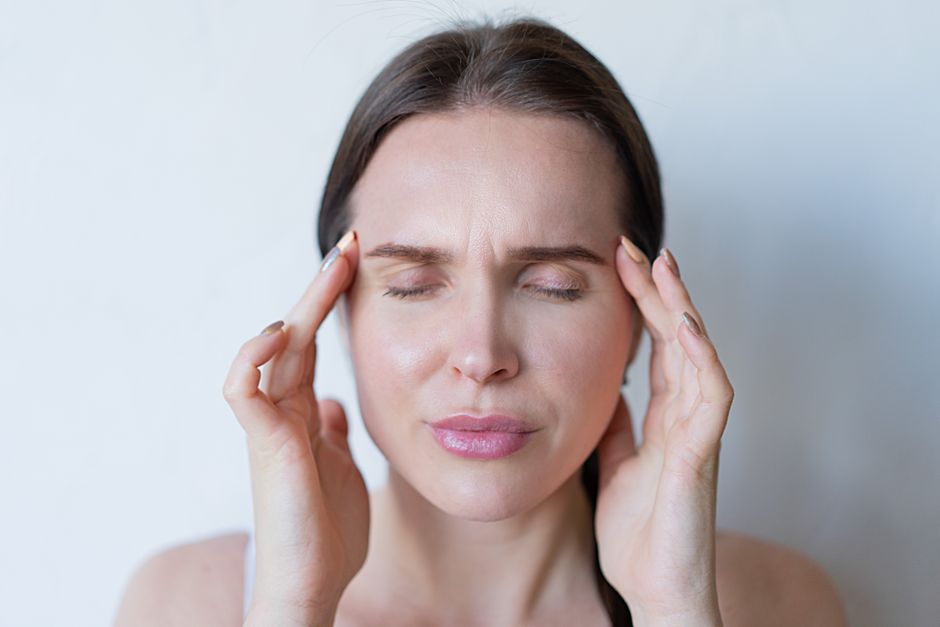
Waking up with a headache or getting one every afternoon can make life feel like a guessing game. Daily headaches are not normal, and they are not something you just have to live with. The most common causes include medication overuse, tension in the neck and shoulders, poor sleep, dehydration, and underlying conditions like high blood pressure or sleep apnea. Figuring out which one applies to you starts with tracking your patterns and being honest about your habits.
What Is a Daily Headache?
A daily headache means you have a headache 15 or more days out of every month. Doctors call this chronic daily headache. It is a category, not a single diagnosis. The type of headache you have matters because the treatment differs.
Chronic migraine, chronic tension-type headache, and medication overuse headache are the three most common forms. Each one has a different feel and a different trigger profile. Knowing which one you have is the first step toward fixing it.
What Can Cause Daily Headaches?
The single most common cause of daily headaches is medication overuse. This happens when you take pain relievers for headaches more than two or three days a week. Over time, the brain becomes sensitized to the medication. When the drug wears off, a rebound headache starts. You take more medication, and the cycle deepens.
This is not a sign of weakness or a lack of willpower. It is a well-documented physiological response. The treatment is usually to stop the offending medication under a doctor’s supervision. Withdrawal can temporarily make headaches worse before they get better.
Other common causes include tension in the neck and shoulders, clenching the jaw, poor posture, and screen strain. These feed into the trigeminal nerve system, which is the main pain pathway for headaches. Sustained muscle tension can keep that pathway switched on.
How Sleep Affects Daily Headaches
Sleep and headaches have a two-way relationship. Poor sleep triggers headaches, and headaches disrupt sleep. This creates a loop that is hard to break without addressing both sides.
Both too little sleep and too much sleep can trigger attacks. The brain’s pain regulation centers are sensitive to changes in sleep duration and quality. People who sleep fewer than six hours a night or more than nine hours tend to report more frequent headaches.
Sleep apnea is a separate issue that often goes undiagnosed. In sleep apnea, breathing stops briefly during the night. Oxygen levels drop, and the brain reacts. Morning headaches are a classic sign. If you wake up with a headache most days and snore loudly, sleep apnea testing is worth discussing with your doctor.





The Role of Diet and Hydration
Dehydration is one of the most common and most fixable headache triggers. Even mild fluid loss can cause the brain to shrink slightly and pull away from the skull, activating pain receptors. Drinking water regularly through the day is a simple preventive step.
Skipping meals is another trigger. Low blood sugar can provoke a headache within a few hours. This is especially common in people who are prone to migraines. Eating regular, balanced meals helps keep blood sugar steady.
Certain foods are known triggers for some people. Aged cheeses, processed meats, chocolate, and foods containing MSG are the ones most often reported. But food triggers are highly individual. No single food causes headaches in everyone. Keeping a food diary for a few weeks can reveal your personal patterns.
Caffeine: Friend or Foe?
Caffeine is tricky because it can both help and hurt. For some people, caffeine at the start of a migraine can reduce pain. It is an ingredient in some over-the-counter headache medications for this reason.
But daily caffeine use can also cause daily headaches. When you consume caffeine regularly, your brain adapts. If you miss your usual cup, blood vessels dilate and a withdrawal headache begins. This can happen within hours of your last dose.
If you drink coffee, tea, or energy drinks every day, your morning headache may actually be caffeine withdrawal. Cutting back gradually, rather than stopping suddenly, can reduce this effect. Some clinicians recommend limiting caffeine to no more than two servings a day.
When High Blood Pressure Is the Cause
Most headaches are not caused by high blood pressure. But severely elevated blood pressure can cause them. This is a medical emergency, not a condition to manage at home.
Normal blood pressure is below 120/80 mmHg. Readings above 180/120 mmHg with a headache require immediate medical attention. This combination can indicate a hypertensive crisis, which carries risk of stroke or organ damage.
If your daily headaches come with dizziness, chest pain, or vision changes, check your blood pressure. A home monitor is inexpensive and can give you useful data to share with your doctor.
Stress and Muscle Tension
Stress does not directly cause headaches, but it creates the conditions for them. Under stress, you tense your jaw, shrug your shoulders, and clench your neck muscles. That sustained tension feeds into headache pathways.
Tension-type headaches feel like a tight band around the head. They are the most common headache type overall. They are also the type most likely to become daily if the underlying tension never resolves.
Physical therapy, massage, and stretching can help some people. So can simple posture changes, like keeping your screen at eye level and taking breaks from sitting. The evidence for these approaches varies by person, but they are low-risk and worth trying.
Hormonal Changes and Daily Headaches
For women, hormone fluctuations are a major headache trigger. Estrogen levels drop right before menstruation, and that drop can trigger a migraine. This pattern is well documented.
Perimenopause, the years leading up to menopause, can also change headache patterns. Some women get more headaches during this time because hormone levels become erratic. Others get fewer. There is no reliable way to predict which group you will fall into.
Hormonal birth control can help or worsen headaches depending on the person and the formulation. This is a conversation to have with your gynecologist or primary care doctor, not something to experiment with on your own.
When to See a Doctor
Any headache pattern that changes suddenly deserves medical attention. A new type of headache after age 50 also warrants evaluation. Headaches that wake you from sleep, or that come with neurological symptoms like weakness or speech changes, are urgent.
Daily headaches are worth a medical visit even without red flags. A doctor can help you identify triggers, rule out underlying conditions, and create a treatment plan. This is especially important if you have been taking pain relievers regularly, because stopping them safely may require guidance.
Keep a headache diary for at least two weeks before your appointment. Note the date, time, duration, severity, what you ate, how you slept, and what medication you took. This information is far more useful to a clinician than a vague description of your symptoms.
Prevention Strategies That Have Evidence Behind Them
Preventive treatment is available for people with frequent headaches, and it works. The goal is to reduce the frequency and severity of attacks, not to eliminate them entirely.
Some preventive options include prescription medications originally developed for other conditions, such as certain blood pressure drugs, antidepressants, or anti-seizure medications. Newer options include CGRP inhibitors, which are specifically designed for migraine prevention. These are prescribed by neurologists or headache specialists.
Non-drug approaches also have solid evidence. Regular aerobic exercise, consistent sleep schedules, and stress management techniques like mindfulness have all been studied. None of these are quick fixes, but they can reduce headache frequency over time.
Frequently Asked Questions
Can daily headaches be caused by medication overuse?
Yes, medication overuse is the most common cause of daily headaches. Taking pain relievers more than two or three days a week can create a rebound cycle.
Is it normal to have a headache every day?
No, daily headaches are not normal and deserve medical evaluation. They are treatable, but the right treatment depends on the underlying cause.
Can dehydration cause daily headaches?
Dehydration can trigger headaches, but it rarely causes daily headaches on its own. If you are consistently dehydrated, it can contribute to a pattern that other triggers build on.
How long should I track headaches before seeing a doctor?
Two weeks of tracking is usually enough to show patterns. Bring the diary to your appointment so your doctor can see your triggers and medication use clearly.
