
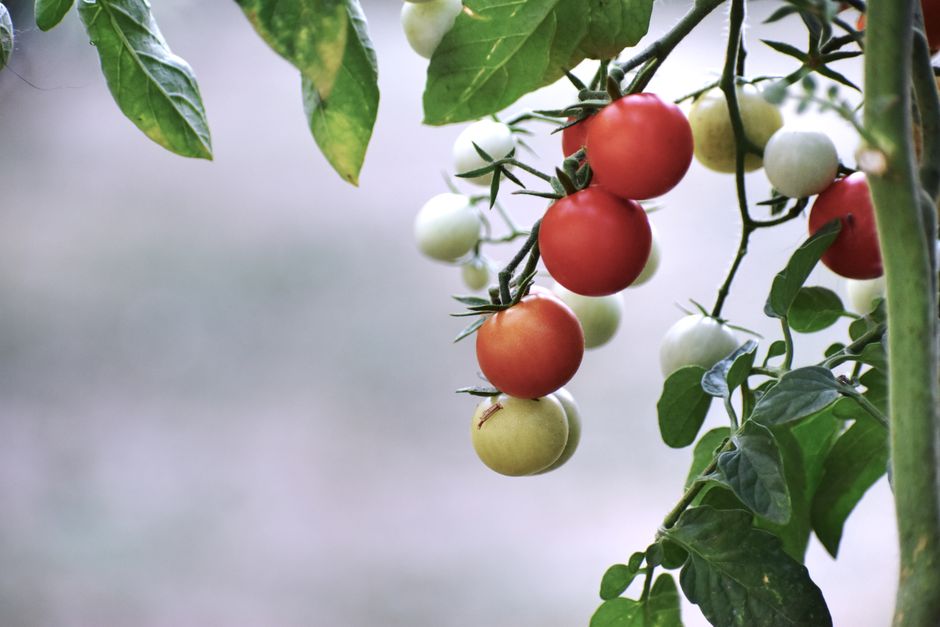
If you have ever picked a tomatillo from the garden before it was fully ripe, you might have wondered if it was safe to eat. The short answer is yes, unripe tomatillos are not poisonous, but they are not pleasant to eat either. They contain compounds that can cause stomach upset if eaten in large amounts, and their flavor is intensely sour. Cooking them makes them safer and more digestible, but most people find them too bitter and astringent to enjoy raw.
Are Unripe Tomatillos Poisonous To Eat?
No, unripe tomatillos are not poisonous. They are members of the nightshade family, which includes tomatoes, potatoes, and peppers. Like their relatives, they contain small amounts of alkaloids and solanine-like compounds. These natural chemicals can irritate the digestive tract when consumed in large quantities.
Eating one or two unripe tomatillos will not poison you. You might experience a mild stomach ache or a dry, chalky feeling in your mouth. The bigger concern is the taste and texture, which most people find genuinely unpleasant. The fruit is rock-hard, intensely sour, and leaves a bitter aftertaste.
What Makes Unripe Tomatillos Different From Ripe Ones
The tomatillo grows inside a papery husk called a calyx. When the fruit is ripe, it fills the husk completely and the husk often splits open. The fruit itself turns from green to a lighter yellow, purple, or even red depending on the variety.
The flavor change is dramatic. Ripe tomatillos have a bright, tangy, citrus-like acidity that makes them perfect for salsa verde. Unripe tomatillos lack the sugars that develop during ripening. Instead, they are dominated by organic acids and tannins. Tannins are the compounds that make unripe fruit feel dry and puckering in your mouth.
This is not a safety issue. It is a flavor issue. The plant evolved these bitter compounds to discourage animals from eating the fruit before the seeds are mature. Once the seeds are ready, the plant sweetens the fruit to encourage animals to eat it and spread the seeds.
The Nightshade Family And Solanine Concerns
People often worry about tomatillos because of their connection to the nightshade family. The most famous concern is solanine, a glycoalkaloid found in green potatoes. Solanine can cause nausea, vomiting, and headaches at high doses.
Tomatillos do contain small amounts of steroidal lactones and alkaloids, but the levels are far below what would cause poisoning. Green potatoes are a different story because they accumulate solanine at much higher concentrations. Tomatillos simply do not produce solanine in dangerous amounts.
Some research suggests that unripe tomatillos contain higher levels of these compounds than ripe ones. However, no clinical evidence shows that eating unripe tomatillos causes poisoning in humans. The discomfort you might feel is digestive irritation, not toxicity.





What Happens If You Eat An Unripe Tomatillo
Most people will experience a strong sour and bitter taste immediately. You might notice a dry, fuzzy sensation on your tongue and the inside of your cheeks. This is the tannins binding to proteins in your saliva.
If you swallow a piece, you may develop mild stomach cramping or nausea within a few hours. This is your digestive system reacting to the high acid content and the fiber in the unripe fruit. The symptoms usually pass on their own without treatment.
Eating a large amount, such as a whole bowl of unripe tomatillos, could cause more noticeable symptoms like vomiting or diarrhea. This is not poisoning in the medical sense. It is your body rejecting a food that is difficult to digest. If symptoms are severe or last more than 24 hours, contact a healthcare provider.
Can You Cook Unripe Tomatillos To Make Them Safe
Cooking does change the chemistry of unripe tomatillos. Heat breaks down some of the irritating compounds and softens the tough cell walls. This makes the fruit easier to digest and reduces the risk of stomach upset.
However, cooking does not make unripe tomatillos taste good. The intense sourness remains, and the bitterness often becomes more pronounced. Traditional Mexican cooking uses ripe tomatillos for salsas and sauces. Unripe tomatillos are rarely used in any cuisine because the flavor is simply not desirable.
If you have a large harvest of unripe tomatillos, the best option is to leave them on the counter at room temperature. They will continue to ripen off the vine. Place them in a paper bag with a ripe banana or apple to speed up the process. The ethylene gas from the fruit triggers ripening.
How To Tell When A Tomatillo Is Fully Ripe
Ripe tomatillos have a few clear signs. The husk will feel loose and papery, and it may have split open at the bottom. The fruit inside should be firm but give slightly when pressed, similar to a ripe tomato.
The color depends on the variety. Green tomatillos stay green when ripe, but the green deepens and the fruit fills the husk completely. Purple and yellow varieties show their color clearly when ripe. An unripe tomatillo is small, hard, and the husk fits tightly around the fruit.
One common mistake is picking tomatillos too early because they look green. For green varieties, the ripeness test is the husk. If the husk is still tightly wrapped and the fruit is rock hard, it is not ready. Wait until the fruit pushes against the husk and feels firm but not hard.
Are There Any Real Health Risks
For healthy adults, unripe tomatillos pose no serious health risk. The main concern is digestive discomfort, which is temporary. Children and people with sensitive stomachs may react more strongly. If a child eats an unripe tomatillo, watch for nausea or vomiting, but emergency care is rarely needed.
People with a known allergy to nightshades should avoid tomatillos entirely. Nightshade allergies are uncommon but real. Symptoms include hives, itching, and swelling after eating the food. If you have had reactions to tomatoes, potatoes, or peppers, talk to your doctor before trying tomatillos.
Pregnant women can eat ripe tomatillos as part of a normal diet. No evidence suggests that unripe tomatillos are harmful during pregnancy, but the risk of stomach upset makes them a poor choice. Stick to ripe fruit to avoid unnecessary digestive distress.
What To Do With Unripe Tomatillos
If you have unripe tomatillos, do not throw them away. They will ripen indoors over one to two weeks. Keep them in a single layer at room temperature, away from direct sunlight. Check them daily and remove any that show signs of mold.
If you need to use them immediately, you can make a tart relish or chutney. Cooking them with sugar, vinegar, and spices can balance the sourness. Some people pickle unripe tomatillos, which softens the texture and adds flavor. These uses are about making the best of a harvest, not about creating a delicacy.
The safest and most practical approach is patience. Let the tomatillos ripen fully before using them. The difference in flavor is worth the wait. Ripe tomatillos have a sweet-tart balance that unripe ones simply cannot match.
Frequently Asked Questions
Can unripe tomatillos make you sick?
Eating a large amount can cause nausea, stomach cramps, or diarrhea because the fruit is hard to digest. These symptoms are temporary and not considered poisoning.
Are green tomatillos safe to eat raw?
Ripe green tomatillos are safe to eat raw and are commonly used in fresh salsas. Unripe tomatillos are safe but taste intensely sour and bitter.
How long does it take for a tomatillo to ripen off the vine?
Most tomatillos ripen indoors within one to two weeks at room temperature. Placing them in a paper bag with a banana or apple speeds up the process.
What does an unripe tomatillo taste like?
It tastes very sour and bitter with a dry, chalky texture. Most people find the flavor unpleasant enough that they spit it out.
