
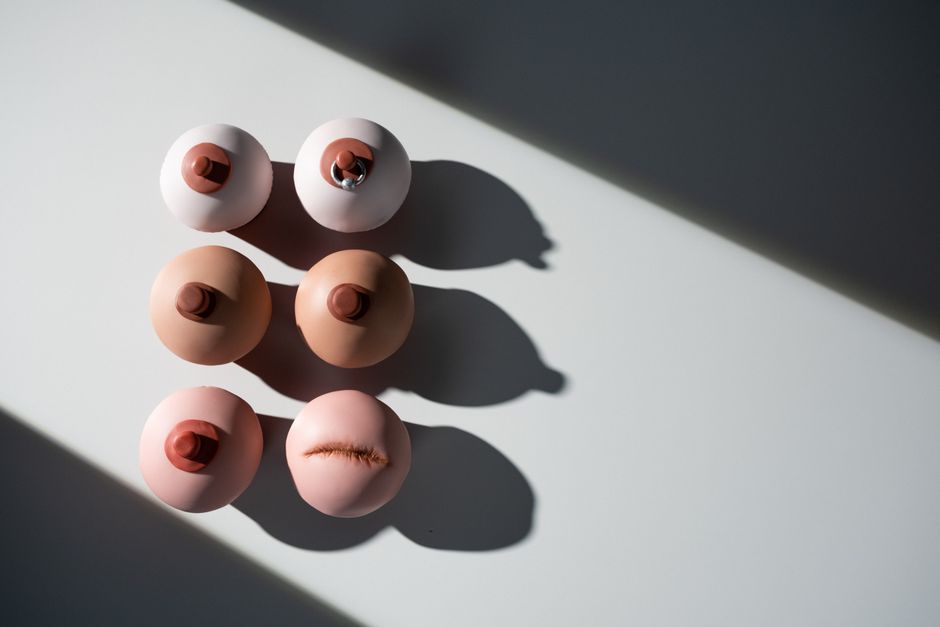
Cleaning a new nipple piercing twice a day with a sterile saline spray is the standard daily aftercare. You spray the piercing, let it sit for a minute, and gently remove any crusties with a clean paper towel or gauze. Avoid rotating the jewelry, using soap directly on the piercing, and touching it with unwashed hands. This routine keeps the area clean without irritating the healing tissue.
What Is The Best Daily Cleaning Routine?
The most reliable method is a sterile saline solution. You can buy a wound wash spray at most pharmacies. Look for one that lists only sodium chloride and water as ingredients. No additives, no preservatives, no antibacterial agents.
Wash your hands thoroughly before you touch the area. Spray the saline directly onto the piercing so it covers the entrance and exit holes. Let it sit for 30 to 60 seconds. This softens any dried discharge. Then use a clean paper towel or non-woven gauze to gently wipe away anything loose. Do not pick at crusties. Do not twist the jewelry.
Do this twice a day. Once in the morning and once before bed is the usual recommendation. Some people also rinse the area in the shower with plain water. That is fine, but it should not replace the saline cleaning.
What Should You Avoid During Healing?
Several common habits can delay healing or cause infection. The most important one is touching the piercing. Your hands carry bacteria that can easily enter the open wound. Even after washing, avoid unnecessary contact.
Do not use rubbing alcohol or hydrogen peroxide. These are too harsh. They dry out the skin and kill the healthy cells that are trying to rebuild tissue. This slows healing rather than helping it.
Soap is another problem. Many aftercare instructions from the past suggested using mild soap. Current guidance from piercing professionals generally moves away from this. Soap can leave residue inside the piercing channel and irritate the delicate healing tissue.
Do not submerge the piercing in standing water. That means no swimming pools, hot tubs, lakes, or bathtubs during the initial healing phase. These bodies of water contain bacteria that can cause infections. Showers are fine because the water is running and fresh.
Avoid tight clothing or high-impact activities that rub against the piercing. Bras, tight shirts, and seatbelts can all irritate the site. Loose, breathable fabrics are better during the first few weeks.
How Long Does The Healing Process Take?
Nipple piercings heal slowly compared to other piercings. The initial healing phase typically takes 3 to 6 months. During this time, the piercing may look healed on the outside but still be healing internally. Full healing can take 9 to 12 months or longer. Some people report their nipple piercings take over a year to fully settle.
You should continue the daily saline cleaning for the entire initial healing period. Do not stop just because the piercing looks fine. The inside of the channel needs the same care as the outside.
After the piercing is fully healed, you can reduce cleaning frequency. Many people switch to just rinsing in the shower. However, if you notice any discharge, redness, or tenderness, resume the saline cleaning routine until symptoms resolve.




What Does A Normal Healing Piercing Look Like?
Some symptoms are normal during healing. Mild redness, slight swelling, and a small amount of clear or white discharge are common. The area may feel tender or warm. These symptoms should gradually improve over the first few weeks.
It is also normal for the piercing to have a slight odor. This comes from dead skin cells and sebum mixing with the jewelry. Regular saline cleaning keeps this under control.
Crusting is normal too. The body produces a small amount of fluid as it heals. This fluid dries and forms crust around the jewelry openings. This is not pus. It is part of the normal healing process. You remove it by softening it with saline and gently wiping it away.
What Are The Signs Of An Infection?
An infected piercing looks different from a healing one. The redness spreads beyond the immediate piercing site. The area becomes increasingly painful rather than gradually less painful. The discharge changes from clear or white to yellow or green. It may also have a foul smell.
Fever, chills, or swollen lymph nodes in the armpit or neck are more serious signs. These suggest the infection may be spreading beyond the piercing site itself.
If you notice any of these signs, do not remove the jewelry. Removing the jewelry can trap the infection inside the channel. The opening can close over the infection, making it worse. Instead, see a healthcare provider. They can evaluate whether you need antibiotics or other treatment.
Contact your piercer too. An experienced piercer can tell you whether what you are seeing is normal healing or a developing problem. However, they cannot prescribe medication. For that, you need a doctor or a nurse practitioner.
What If You Develop A Bump Or Keloid?
Small bumps near the piercing openings are not uncommon. They can be caused by irritation, trauma, or an allergic reaction to the jewelry metal. Most bumps are not keloids. True keloids are overgrowths of scar tissue that extend beyond the original wound. They are more common in people with a family history of keloids and in people with darker skin tones.
If a bump develops, first check the jewelry material. The safest options are implant-grade titanium, niobium, or 14k or 18k solid gold. Lower-quality metals like nickel-containing stainless steel can trigger allergic reactions in some people.
Irritation bumps often resolve when the source of irritation is removed. This could be a change in cleaning routine, avoiding trauma, or switching jewelry. If the bump does not improve with good aftercare, see a dermatologist or your healthcare provider for an evaluation.
When Can You Change The Jewelry?
Do not change the jewelry until the piercing is fully healed. For nipple piercings, this means waiting at least 9 to 12 months. Changing it too early can cause the channel to shrink or close, and it significantly increases the risk of infection.
When you do change jewelry, go back to your piercer for the first change. They have the tools and experience to do it safely without causing trauma. After that, you can change it yourself, but always wash your hands first and use clean jewelry.
If the jewelry is the correct size and material, you can leave it in place indefinitely. Many people keep their initial jewelry for years without issues. There is no medical requirement to change it.
Does Cleaning Differ For Men And Women?
No. The aftercare routine is the same regardless of sex or gender. The cleaning method, frequency, and precautions are identical. The only difference is that women may need to pay extra attention to bra selection during healing. A supportive but non-compressive bra can help reduce movement and friction.
For people who are pregnant or breastfeeding, nipple piercings require special consideration. The hormonal changes can affect the piercing. Some people remove the jewelry during pregnancy and breastfeeding. If you keep the jewelry in, you should remove it before each feeding to prevent the baby from choking on it. Clean the jewelry and the piercing site after feeding. No clinical guidelines currently exist specifically for nipple piercings during pregnancy, so discuss your situation with your obstetrician and your piercer.
Frequently Asked Questions
Can I use soap to clean my nipple piercing?
Current piercing aftercare guidance recommends against using soap directly on the piercing. Sterile saline spray is the preferred method because soap can leave residue that irritates the healing channel.
How many times a day should I clean my nipple piercing?
Clean the piercing twice a day with sterile saline spray. Once in the morning and once before bed is the standard routine.
Is it normal for my nipple piercing to smell?
A slight odor is normal during healing. It comes from dead skin cells and natural body oils mixing with the jewelry, and regular saline cleaning keeps it under control.
When can I change my nipple piercing jewelry?
Wait until the piercing is fully healed, which typically takes 9 to 12 months. Changing it earlier can cause the channel to close or increase infection risk.
