
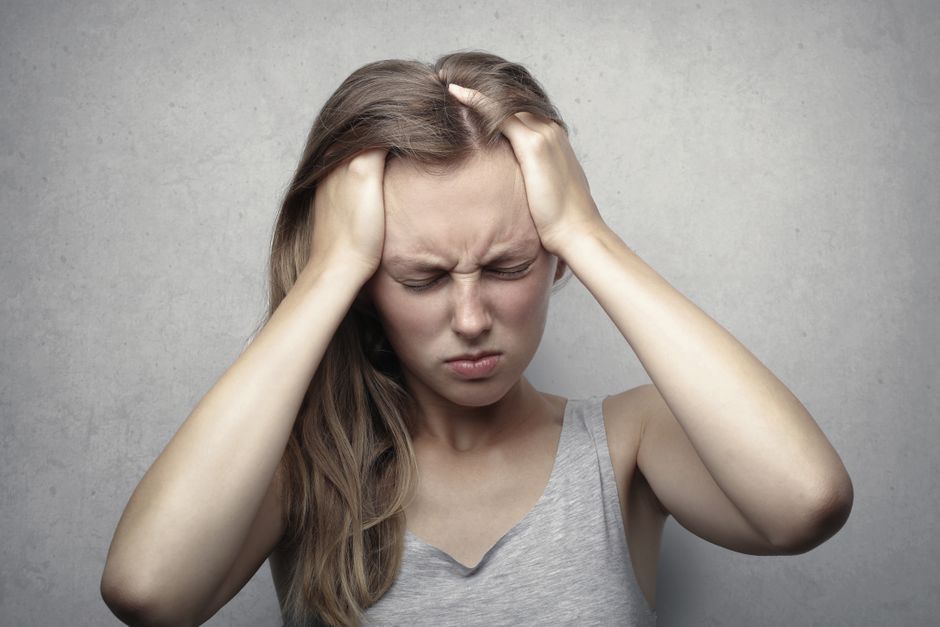
Stress is not just a feeling. It is a physical and mental response that shows up in predictable ways. Your body and brain are wired to react to pressure, and they send clear signals when the load gets heavy. Recognizing those signals early gives you a chance to act before stress turns into something harder to manage.
What Happens In Your Body During Stress
When your brain perceives a threat, it triggers the release of hormones like cortisol and adrenaline. These hormones prepare you to fight or flee. Your heart beats faster, your breathing quickens, and your muscles tense. This is the body’s built-in alarm system.
That system works well for short bursts of danger. The problem starts when stress becomes chronic. When the alarm stays on for weeks or months, the body begins to show wear. The same hormones that help you escape a threat start to disrupt sleep, digestion, and immune function when they stay elevated for too long.
Research consistently shows that prolonged stress changes how the brain processes information. The amygdala, which handles emotional reactions, becomes more sensitive. The prefrontal cortex, which manages logical thinking and impulse control, becomes less active. That is why people under chronic stress often feel reactive, irritable, and unable to think clearly.
How To Recognize Stress Signs In Body And Mind
The first step is knowing what to look for. Stress signs fall into two broad categories: physical and mental. Most people experience a mix of both.
Physical signs of stress include:
- Headaches, especially tension headaches that feel like a tight band around the head
- Muscle tension in the neck, shoulders, and jaw
- Stomach problems like nausea, cramps, or diarrhea
- Changes in appetite — eating more or less than usual
- Trouble falling asleep or staying asleep
- Fatigue that does not improve with rest
- Rapid heartbeat or chest tightness
Mental and emotional signs include:
- Constant worry or racing thoughts
- Difficulty concentrating or making decisions
- Irritability or short temper
- Feeling overwhelmed by small tasks
- Loss of interest in activities you usually enjoy
- Feeling restless or on edge
- Low mood or persistent negativity
These signs are not random. They are the body telling you that your stress load exceeds what your system can handle comfortably. When several of these appear together and last for more than a few weeks, that is a strong signal that stress has become chronic.
Why Stress Signs Are Easy To Miss
Stress builds gradually. The changes are so slow that you may not notice them until they are severe. Many people adapt to a higher baseline of tension and forget what normal feels like.
Sleep problems are a good example. One bad night is easy to dismiss. But when poor sleep becomes the norm for months, your body adjusts to functioning at a lower level. You may not realize how tired you are until you finally get a good night’s rest and feel the difference.
Another reason stress signs get missed is that they overlap with other conditions. Fatigue, poor concentration, and irritability can come from depression, thyroid problems, vitamin deficiencies, or simply not enough sleep. Stress is not always the cause. That is why it is important to look at the whole picture rather than fixating on one symptom.





The Difference Between Stress And Anxiety
Stress and anxiety are related but not the same. Stress is a response to an external trigger. The cause is usually identifiable — a deadline, a conflict, a financial problem. When the trigger goes away, the stress usually fades.
Anxiety is different. It can persist even when no clear threat exists. The worry becomes the problem itself. Anxiety often involves anticipating worst-case scenarios, feeling tense without a specific cause, and avoiding situations that might trigger discomfort.
People under chronic stress can develop anxiety. And people with anxiety often feel more stressed by ordinary challenges. The two conditions feed each other. If stress signs persist for more than a few weeks after the original trigger has passed, it is worth discussing with a healthcare provider.
When Stress Becomes A Health Concern
Chronic stress is linked to real health problems. Studies have found connections between long-term stress and high blood pressure, heart disease, weakened immune function, and digestive disorders. The evidence for these associations is strong, though the exact mechanisms are complex and not fully understood.
Stress also affects mental health. Prolonged stress increases the risk of depression and anxiety disorders. It can worsen existing conditions like irritable bowel syndrome, asthma, and chronic pain.
There is no single test for stress. Doctors evaluate it through symptoms, reported experiences, and sometimes questionnaires. If stress is interfering with daily life — affecting work, relationships, or basic self-care — that is a sign to seek help.
Practical Ways To Track Your Stress Level
You cannot manage what you do not measure. Tracking stress helps you notice patterns and identify triggers before they spiral.
Keep a simple daily log. Rate your stress on a scale from 1 to 10 at the same time each day. Note what happened that day, how you slept, and any physical symptoms you noticed. After two weeks, review the log. You will likely see patterns — certain days of the week, people, or situations that consistently raise your score.
Pay attention to your body’s early warning signs. Do you clench your jaw during meetings? Do you get a headache every Sunday evening? Does your stomach tighten before difficult conversations? These are your personal stress signals. Once you know them, you can respond earlier.
Sleep quality is one of the most reliable stress indicators. If you have trouble falling asleep, wake up frequently, or feel unrefreshed in the morning, stress may be the cause. Poor sleep also makes stress worse, creating a cycle that is hard to break.
What To Do When You Notice The Signs
Recognizing stress signs is only useful if you act on them. The goal is not to eliminate stress — that is not realistic. The goal is to manage it so it does not manage you.
Start with the basics. Regular physical activity is one of the most effective stress relievers supported by strong evidence. Even a 20-minute walk can lower cortisol levels and improve mood. Aim for movement most days of the week.
Sleep deserves priority. Most adults need between 7 and 9 hours per night. If stress is interfering with sleep, address that first. A consistent bedtime, no screens an hour before sleep, and a cool dark room are simple changes that help.
Talking to someone matters. A trusted friend, family member, or therapist can help you process what is causing the stress. Therapy is not only for severe problems — many people use it as a preventive tool to build coping skills.
Breathing exercises have solid evidence behind them. Slow, deep breathing activates the parasympathetic nervous system, which counters the stress response. A simple method: inhale for four counts, hold for four, exhale for six. Repeat for several minutes.
When To Seek Professional Help
Some stress is manageable with lifestyle changes. But there are situations where professional help is clearly warranted.
Seek help if stress signs interfere with your ability to work, maintain relationships, or take care of yourself. Seek help if you feel hopeless, have thoughts of harming yourself, or cannot get through a day without intense anxiety. These are not signs of weakness — they are signs that your stress load exceeds what self-management can handle.
A primary care doctor is a reasonable first stop. They can rule out medical conditions that mimic stress symptoms, such as thyroid disorders or vitamin deficiencies. They can also refer you to a mental health professional if needed.
There is no shame in needing support. Chronic stress changes brain function, and reversing those changes often requires more than willpower. Therapy, and in some cases medication, are evidence-based treatments that help many people regain balance.
What Does Not Work For Stress
Some common stress remedies have weak evidence behind them. Alcohol may temporarily dull stress symptoms, but it disrupts sleep and can increase anxiety the next day. The same applies to relying on caffeine to push through fatigue — it masks the problem without addressing it.
Vaping or smoking to relax is counterproductive. Nicotine is a stimulant that increases heart rate and blood pressure. The relief smokers feel between cigarettes is mostly the relief of withdrawal symptoms, not genuine relaxation.
Endless scrolling on social media is often marketed as a break, but research links heavy social media use to higher stress and anxiety levels. The comparison and constant information flow keep the brain in a heightened state rather than allowing it to rest.
Ignore any product that claims to “cure” stress. Stress is a normal human response, not a disease. There is no supplement, device, or program that eliminates it. What works is building sustainable habits that keep stress within a manageable range.
Frequently Asked Questions
What are the first signs of stress in the body?
The earliest signs are usually muscle tension, headaches, and trouble sleeping. Stomach discomfort and changes in appetite often follow.
How can I tell if my stress is normal or too much?
Stress becomes a problem when it interferes with daily functioning or lasts longer than the triggering event. If you cannot work, sleep, or enjoy life because of stress, that is too much.
Can stress cause physical pain?
Yes. Stress causes muscle tension that can lead to headaches, neck pain, and back pain. It can also worsen digestive issues and chest discomfort, though chest pain should always be evaluated by a doctor.
How long does it take to recover from chronic stress?
Recovery time varies by person and by how long the stress lasted. Some people notice improvement within weeks of reducing stressors, while others need months of consistent changes or professional support.
