
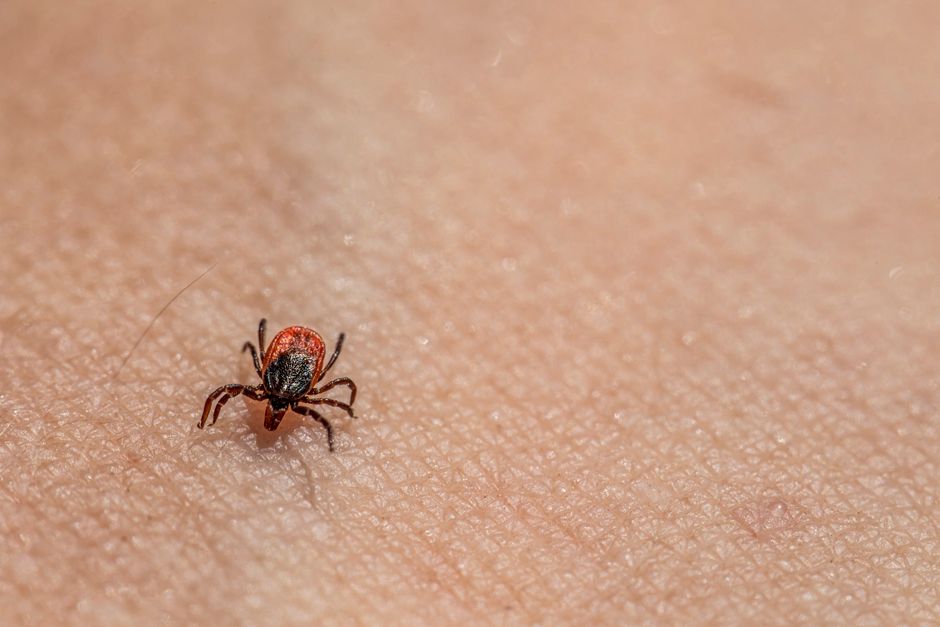
A tick bite can spread serious diseases, so finding a small, hard-bodied bug crawling on you tends to get your attention fast. Several bugs get mistaken for ticks, but the ones people confuse most often are bed bugs, bat bugs, and a few types of beetles and spiders. Ticks are arachnids, not insects, which means they have eight legs as adults and no antennae. That single fact separates them from most look-alikes before you ever need a magnifying glass.
What Bug Looks Like A Tick And How To Identify It?
Ticks are eight-legged arachnids with a single oval body and no visible separation between head and abdomen. The bugs most often confused with them are bed bugs, bat bugs, certain beetles, and a handful of spiders. Each one has features that give it away once you know what to check.
The confusion usually comes down to size, color, and the fact that most people get only a quick glance before reacting. A calm 30-second look is usually enough to tell them apart.
Bed bugs and bat bugs
Bed bugs are insects, so they have six legs and two antennae. They are reddish-brown, flat, and roughly oval when unfed, which is why a quick glance can read as “tick.” After feeding, their body swells and changes shape, which can make them look even less like a tick.
Bat bugs look nearly identical to bed bugs and are the source of many mistaken identifications. Telling them apart generally requires a microscope and a trained eye. For practical purposes, both are six-legged insects, which rules out a tick.
Beetles
Several beetles get mistaken for ticks, especially small ones with rounded bodies. The key difference is the shell. Beetles have hard wing covers that meet in a straight line down the back. Ticks have a soft, leathery body with no such line. Beetles also have six legs and antennae.
Spiders and mites
Spiders share the eight-leg trait with ticks, so leg count alone will not separate them. Spiders have a clear waist between the body sections and usually visible spinnerets. Ticks have one fused body with no waist. Mites are arachnids too, but most are far smaller than ticks and rarely noticed on people.
How Do You Tell A Tick From An Insect At A Glance?
Count the legs first. If you see six legs and antennae, it is an insect, not a tick. If you see eight legs and no antennae, you are looking at an arachnid, which puts a tick, a spider, or a mite on the table.
Then look at the body. A tick has one rounded body with no waist and no wings. A spider has a narrow waist. A beetle has a hard shell with a straight line down the middle.
These two checks, leg count and body shape, resolve most cases without any equipment. You do not need to identify the exact species to make a sensible decision about what to do next.
What Does A Tick Actually Look Like Up Close?
An unfed tick is flat, oval, and usually brown, black, or reddish-brown depending on species. Its body is a single fused unit with no visible waist. The mouthparts may be visible at the front as a small projection.
An engorged tick, one that has been feeding, looks very different. It swells into a rounded grey or brownish blob and can grow several times its original size. People often mistake an engorged tick for a skin lump or a small cyst because the legs are hidden under the swollen body.
Two tick families matter most in the United States. Hard ticks have a hard shield on the back and are the ones that transmit most tick-borne disease. Soft ticks lack that shield and look more leathery. Both are arachnids.





How Can You Tell A Tick From A Bed Bug?
Leg count settles it. Bed bugs have six legs and antennae. Ticks have eight legs and no antennae. That is the fastest reliable difference.
Beyond legs, bed bugs are flatter and more shield-shaped when unfed, and they have a distinct segmented look. Ticks are more uniformly oval with a single smooth body. Bed bugs also tend to appear in groups near where people sleep, while ticks are usually picked up outdoors in grass, brush, or wooded areas.
One detail worth knowing: bat bugs and bed bugs are so similar that even pest professionals often need a microscope to separate them. If the bug was found indoors near a bed, it is far more likely to be a bed bug or bat bug than a tick.
When Should You See A Doctor After A Bite?
Seek medical care if you develop a rash, fever, headache, muscle aches, or joint pain in the days or weeks after a bite. These can be signs of a tick-borne illness, and several are treatable when caught early.
The classic expanding rash sometimes described as a bullseye is a well-known sign of Lyme disease, though not everyone who gets Lyme disease develops that rash. Not every tick bite causes disease, and many cause nothing at all.
If you are unsure whether you were bitten by a tick, save the bug in a sealed container or take a clear photo. A clinician or pest professional may be able to identify it, which can inform whether testing or monitoring is appropriate.
What Should You Do If You Find A Tick On You?
Remove it promptly with fine-tipped tweezers. Grasp the tick as close to the skin as possible and pull straight up with steady pressure. Do not twist, crush, or squeeze the body.
Avoid folk remedies like petroleum jelly, nail polish, or a lit match. These do not help and can cause the tick to release more saliva into the bite. Clean the bite area and your hands with rubbing alcohol or soap and water afterward.
Note the date you removed it. If you later develop symptoms, that timeline helps a clinician assess your risk. If you cannot remove the tick or the mouthparts stay embedded, contact a healthcare provider.
Why Does Misidentification Matter?
Mistaking a bed bug for a tick can lead to unnecessary worry about tick-borne disease. Mistaking a tick for a harmless beetle can delay removal, and removal time matters because the risk of disease transmission generally increases the longer a tick stays attached.
Getting the identification roughly right, even without knowing the exact species, is usually enough to make a sound decision. Six legs and antennae means not a tick. Eight legs and a fused body means treat it as one and act accordingly.
Frequently Asked Questions
What bug is most commonly mistaken for a tick?
Bed bugs and bat bugs are the most common look-alikes, followed by small beetles. Bed bugs and bat bugs have six legs and antennae, while ticks have eight legs and no antennae.
Do ticks have six or eight legs?
Adult ticks have eight legs because they are arachnids, not insects. Tick larvae have six legs, which is a common source of confusion.
Can a bed bug be mistaken for a tick?
Yes, especially when a bed bug is unfed and flat, since its oval shape can resemble a tick. The reliable difference is leg count: bed bugs have six legs, ticks have eight.
What should I do if I am not sure whether it was a tick?
Save the bug in a sealed container or take a clear photo, and watch the bite area for a rash, fever, or aches. Contact a healthcare provider if any symptoms appear.
