

Most bug bites look similar at first — a red, itchy bump that shows up minutes to hours after you were bitten. The clues that tell them apart are usually about pattern, timing, and location: how many bites there are, where they sit on your body, and how the skin reacts over the next day or two. You can often narrow down the likely culprit by looking at those details rather than the bump itself.
What Kind Of Bug Bite Do I Have How To Identify The Most Common Ones?
Identification starts with the pattern, not the bump. A single bite in an exposed area points to one kind of insect. A line or cluster of bites points to another.
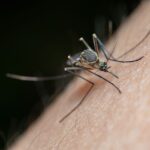
Mosquito bites are usually single, soft, and itchy, often on exposed skin like the arms, neck, and ankles. They appear within minutes and fade over a few days. The itch comes from an immune reaction to proteins in the mosquito’s saliva, not from the bite wound itself.
Bed bug bites often appear in a line or small cluster of three or more, sometimes described as a “breakfast, lunch, and dinner” pattern. They tend to show up on skin exposed during sleep — the face, neck, arms, and hands. Some people have no reaction at all, which is one reason infestations can go unnoticed for a while.
Flea bites cluster around the ankles and lower legs, and often appear in groups of three or four. They are small, intensely itchy, and sometimes have a tiny red center. Pets in the home raise the odds.
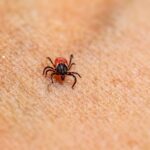
Tick bites are usually painless, so many people never feel them. The tick often stays attached for hours to days. A small red bump at the attachment site is common. A spreading rash can develop with some tick-borne illnesses, but not everyone gets one.
Spider bites are less common than people assume. Most cause a small red bump, mild pain, and no lasting problem. A few species in the US can cause more serious reactions, but confirmed spider bites are rare because the spider is almost never seen.
Bee and wasp stings cause immediate sharp pain, not an itch. You may see a red welt and a small white mark where the stinger entered. Bee stingers can stay lodged in the skin; wasps usually do not leave one behind.
How Can You Tell Bug Bites Apart By Their Pattern?
Pattern is one of the most useful clues you have. Where bites sit on your body often reflects how the insect feeds and when.
- Ankles and lower legs: fleas, and sometimes chiggers
- Exposed skin during the day: mosquitoes, flies, gnats
- Skin exposed during sleep: bed bugs
- Anywhere, often hidden areas: ticks, which crawl before attaching
- Single sharp sting: bees, wasps, hornets
Timing matters too. Mosquito bites itch within minutes. Flea bites often itch within an hour. Bed bug reactions can take days to appear in some people, which makes them harder to link to a specific night.
One detail worth knowing: the same insect can look different on two people. Immune reactions vary widely. A person who has been bitten many times may react less, while someone newly exposed may have a stronger response.
What Does A Serious Bug Bite Reaction Look Like?
Most bites are a local nuisance. A smaller number need medical attention, and the signs are fairly consistent.
Seek urgent care if you notice any of these:
- Swelling of the lips, tongue, or throat
- Trouble breathing or wheezing
- Dizziness, fainting, or a rapid heartbeat
- Hives spreading far from the bite
- Nausea and vomiting after a sting
These can signal a severe allergic reaction called anaphylaxis, which is a medical emergency. Bee, wasp, and hornet stings are the most common triggers among insect bites in the US.
Other warning signs develop more slowly. A bite that keeps growing redder, feels hot, and becomes painful over one to two days may be infected. Red streaks spreading away from the bite, fever, or pus are reasons to see a clinician.
A spreading rash with a bullseye shape can be a sign of tick-borne illness. Not all tick-related rashes have that pattern, and not everyone who is bitten develops a rash. If you have a rash after a tick bite, contact a healthcare provider.



Why Do Bug Bites Itch So Much?
The itch is your immune system reacting to proteins in the insect’s saliva. When a mosquito or flea bites, it injects saliva to keep blood flowing. Your body recognizes those proteins as foreign and releases histamine, which widens blood vessels and triggers nerve endings that produce the itch sensation.
This explains why an antihistamine can help. It blocks histamine at the receptor level. It also explains why scratching makes things worse — scratching damages skin and prompts more histamine release, which starts the cycle over.
Some people are more reactive than others. Children and people newly exposed to a type of insect tend to have larger reactions. Over time, repeated exposure can lead to a milder response in some people, though this varies.
How Do You Treat Common Bug Bites At Home?
For most bites, basic care is enough. Wash the area with soap and water. Apply a cold pack wrapped in cloth for short periods to reduce swelling and calm the itch.
Over-the-counter options include:
- Oral antihistamines for itching and mild swelling
- Hydrocortisone cream for local inflammation
- Calamine lotion for general itch relief
These are widely used, though the evidence for each varies. Oral antihistamines have the strongest support for itch relief from insect bites. Topical treatments help some people and not others.
If a bee stinger is still in the skin, remove it by scraping sideways with a fingernail or a flat edge. Do not squeeze it, since that can push more venom into the skin.
Avoid scratching. Keep nails short if you can, especially for children. If a bite becomes infected, a clinician may prescribe antibiotics. That decision should come from a medical professional, not from guessing at home.
How Can You Prevent Bug Bites?
Prevention comes down to reducing exposure and using repellents correctly.
The CDC recommends EPA-registered insect repellents. The two most studied active ingredients are DEET and picaridin. Both have been shown to reduce bites when applied as directed. Products containing oil of lemon eucalyptus are also registered with the EPA, though they are not recommended for children under 3 years old.
Other steps that help:
- Wear long sleeves and pants in wooded or grassy areas
- Treat clothing and gear with permethrin when ticks are a concern
- Check your body for ticks after time outdoors, including hidden areas
- Shower soon after coming inside
- Use screens and nets, and remove standing water near your home
For bed bugs, prevention means inspecting hotel rooms and secondhand furniture. Bed bugs are not linked to disease spread, but they are hard to eliminate once established.
One clarification worth making: vitamin B supplements and ultrasonic devices are often marketed as repellents. No clinical evidence currently confirms that either works.
Frequently Asked Questions
How do I know if a bite is from a bed bug or a mosquito?
Bed bug bites often appear in lines or clusters of three or more, usually on skin exposed during sleep. Mosquito bites are typically single, appear within minutes, and show up on skin exposed during the day.
Should I worry about a bug bite that keeps swelling?
Growing redness, heat, pain, or pus over one to two days can suggest infection and warrants a medical visit. Rapid swelling of the face, lips, or throat is an emergency — call 911.
Can I tell what bit me by looking at the bite alone?
Usually not with certainty, because reactions vary widely between people. Pattern, timing, and location give more reliable clues than the appearance of a single bump.
Do all tick bites cause a rash?
No. Many tick bites cause only a small red bump or no visible reaction at all. A spreading rash after a tick bite should prompt a call to a healthcare provider.
