
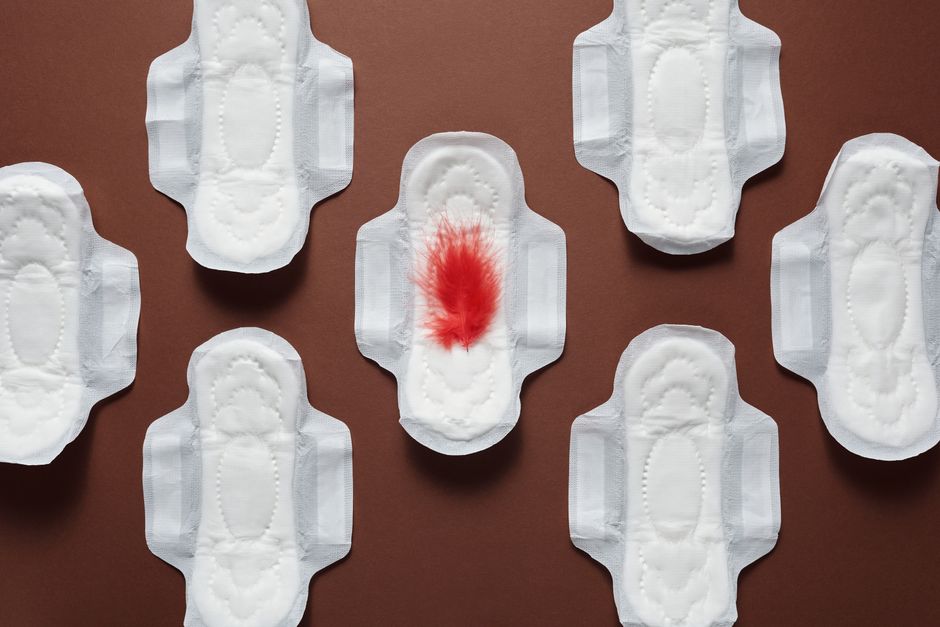
Noticing brown blood during early pregnancy can be unsettling, but it is often not a sign of a problem. Brown blood simply means the blood is older and has taken longer to leave the body, which is common in the first trimester. While it can be a normal part of early pregnancy, it can also signal a complication, so knowing the difference matters for your health and peace of mind.
Why Is the Blood Brown Instead of Red?
The color of the blood tells you how long it has been in the body. Bright red blood is fresh and flowing quickly. Brown blood has been sitting in the uterus or vagina for a while, allowing oxygen to oxidize it. This is the same reason dried blood on a bandage turns brown.
In early pregnancy, brown blood often comes from the cervix. The cervix becomes more sensitive and has an increased blood supply during pregnancy. Even a small amount of bleeding that moves slowly can appear brown by the time it reaches your underwear.
This is not a sign that something is wrong by itself. The key factors are the amount, the duration, and whether you have other symptoms.
What Are the Most Common Causes of Brown Blood in Early Pregnancy?
Several normal processes can cause brown spotting in the first trimester. The most common is implantation bleeding. When the fertilized egg attaches to the uterine lining, it can cause light spotting. This usually happens about 6 to 12 days after conception, often before you even miss your period.
Another common cause is cervical sensitivity. A pelvic exam, sexual intercourse, or a transvaginal ultrasound can irritate the cervix and cause light brown spotting. This is harmless and usually stops within a day or two.
Some women experience what is called a subchorionic hematoma. This is a blood clot that forms between the uterine wall and the gestational sac. It can cause brown or pink discharge. Most subchorionic hematomas resolve on their own without affecting the pregnancy.
Finally, as the placenta develops and takes over hormone production, the body goes through hormonal shifts. These shifts can cause the uterine lining to shed a little, resulting in brown discharge. This is sometimes called “the vanishing twin” phenomenon when one embryo in a multiple pregnancy stops developing and is reabsorbed.
When Could Brown Blood Signal a Problem?
Brown blood can sometimes be the first sign of a miscarriage. The bleeding often starts brown and then becomes bright red as it gets heavier. If you see brown blood along with cramping, back pain, or the loss of pregnancy symptoms, contact your healthcare provider.
An ectopic pregnancy is another serious concern. This happens when the embryo implants outside the uterus, usually in a fallopian tube. Ectopic pregnancies can cause light brown or dark brown spotting along with one-sided abdominal pain. This is a medical emergency that requires immediate treatment.
An infection in the cervix or vagina can also cause brown discharge. If the discharge has a foul odor, causes itching, or is accompanied by pain, it may be an infection that needs treatment.
You should call your doctor if the brown blood becomes bright red, if you fill a pad in an hour, if you have severe pain, or if you feel dizzy or faint. These symptoms require prompt medical evaluation.





How Much Brown Blood Is Normal?
Light spotting that requires only a panty liner is the most common pattern. It may be continuous or come and go over a few days. Some women have brown spotting for several weeks in early pregnancy and still go on to have healthy babies.
Heavier bleeding is a different situation. If you are soaking through pads, passing clots larger than a grape, or experiencing gushing blood, this is not normal spotting. Heavy bleeding in early pregnancy requires medical evaluation.
The key distinction is volume and progression. Normal spotting stays light and often fades. Problem bleeding tends to get heavier and change color from brown to red.
What Should You Do If You See Brown Blood?
First, do not panic. Most women who experience brown spotting in early pregnancy do not miscarry. Studies consistently show that light spotting occurs in up to 25 percent of healthy pregnancies.
Wear a panty liner so you can monitor the amount and color. Avoid sexual intercourse and do not use tampons until the bleeding stops. Tampons introduce bacteria into the vagina, which you want to avoid during pregnancy.
Rest is often recommended, though evidence for bed rest preventing miscarriage is limited. There is no harm in taking it easy for a day or two, but do not feel guilty if you need to continue your normal activities.
Call your healthcare provider for guidance. They may want to see you for an ultrasound or blood tests to check your hormone levels. These tests can confirm whether the pregnancy is progressing normally.
What Will the Doctor Check?
Your provider will likely order a blood test to measure human chorionic gonadotropin (hCG) and progesterone. In a healthy early pregnancy, hCG levels typically double every 48 to 72 hours. A single low reading is not diagnostic, but a series of readings can show whether the pregnancy is developing.
An ultrasound is the most informative test. Around 6 weeks of pregnancy, an ultrasound can detect a fetal heartbeat. Seeing a heartbeat significantly reduces the risk of miscarriage. If no heartbeat is seen, the doctor may recommend a follow-up scan in a week.
Your provider will also examine your cervix to check for polyps, infection, or other sources of bleeding. A cervical polyp is a small, benign growth that can bleed during pregnancy. These are common and usually harmless.
What Does Brown Blood Mean in the Second Trimester?
Brown blood after the first trimester is less common and deserves more attention. In the second trimester, brown discharge can signal cervical changes, placental issues, or preterm labor. It is always worth a call to your provider if you are past 13 weeks and see brown blood.
Placenta previa is a condition where the placenta covers the cervix. It can cause painless bleeding, which may appear brown at first. This condition is diagnosed by ultrasound and requires careful monitoring.
Do not wait to see if it stops on its own in the second trimester. Contact your healthcare provider the same day.
Can Stress Cause Brown Blood in Pregnancy?
Stress alone does not directly cause bleeding. However, stress can affect your body in ways that might make you more aware of physical sensations. There is no strong evidence that everyday stress causes miscarriage or bleeding.
Severe physical stress, such as a fall or a car accident, can cause placental abruption. This is a condition where the placenta separates from the uterine wall. It causes bleeding and abdominal pain and requires immediate medical care.
Frequently Asked Questions
Is brown blood a sign of miscarriage?
Brown blood alone is not a reliable sign of miscarriage. It becomes concerning when it turns bright red, gets heavier, or is accompanied by cramping and back pain.
How long does brown spotting last in early pregnancy?
Normal brown spotting can last anywhere from a few hours to several days. Some women experience it off and on for a few weeks, which can still be normal.
Should I go to the emergency room for brown blood during pregnancy?
Go to the emergency room if the bleeding becomes heavy, you have severe pain, or you feel dizzy or faint. Light brown spotting without pain can usually wait for a call to your regular provider.
Can brown blood happen after sex during pregnancy?
Yes, brown spotting after sex is common because the cervix is more sensitive and has increased blood flow during pregnancy. It is usually harmless and should stop within a day.
