
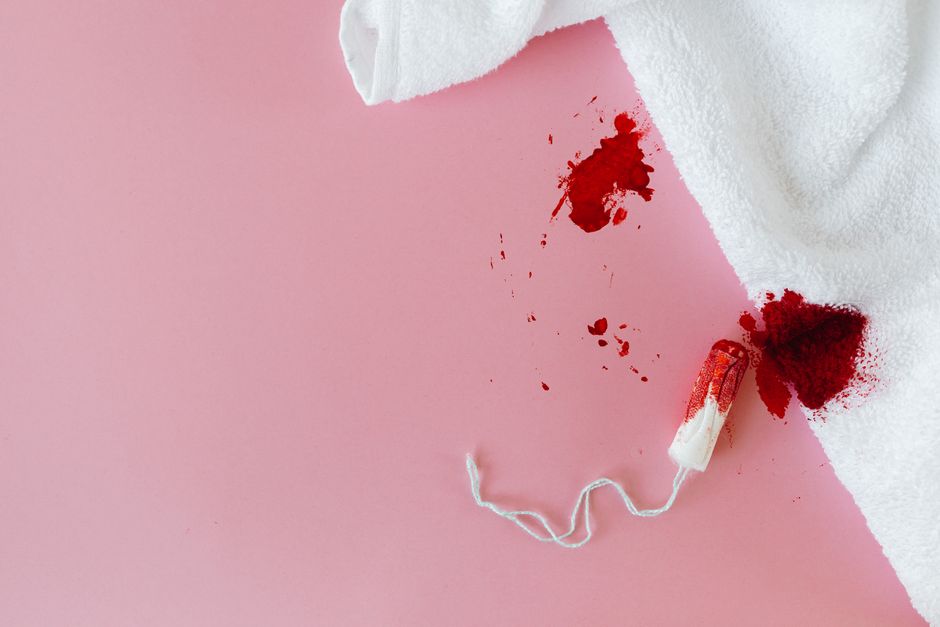
Passing blood clots during your period is common, and most women will experience them at some point. However, “lots” of clots can be a sign that something deserves attention. The short answer is that occasional small clots are normal, but large or frequent clots can indicate an underlying condition that may need medical evaluation.
What Causes Blood Clots During Your Period?
Your body has natural anticoagulants that keep menstrual blood thin enough to flow freely. When your period is heavy, the flow can outpace these anticoagulants. The blood then pools in your uterus or vagina and forms clots before it exits your body.
This is a mechanical process, not a sign of a clotting disorder. The clots you see are simply blood that has thickened. The size and frequency of these clots tell you a lot about how heavy your flow actually is.
Menstrual blood is a mixture of blood and tissue from the uterine lining. When that mixture leaves quickly, it looks bright red. When it leaves slowly, it oxidizes and appears darker. Clots are usually dark red or maroon because they have had time to sit and thicken.
Are Lots Of Blood Clots During Your Period Normal?
Small clots—about the size of a dime or smaller—are normal, especially on the heaviest days of your period. Passing a few of these per day is not usually a cause for concern.
Larger clots are a different story. Clots that are the size of a quarter or larger, or clots that come with a very heavy flow, may point to a condition called menorrhagia. Menorrhagia is the medical term for abnormally heavy or prolonged menstrual bleeding.
The key question is not just whether you see clots, but how much blood you are losing overall. If you are soaking through a pad or tampon every hour for several consecutive hours, that is heavy bleeding regardless of clot size. This pattern warrants a conversation with a healthcare provider.
When Clots Signal a Heavy Period
Heavy menstrual bleeding affects about 1 in 5 women in the United States. Many women do not realize their bleeding is heavier than average because they have never discussed it with a doctor.
These signs indicate your period may be abnormally heavy:
- Needing to change a pad or tampon every hour for more than a few hours
- Bleeding that lasts longer than 7 days
- Passing clots larger than a quarter
- Feeling tired, short of breath, or dizzy during your period
- Needing double protection, like a pad and tampon together
If you recognize several of these signs, you are not imagining things. Heavy periods are a legitimate medical issue, not something you must simply endure.





Medical Conditions That Cause Large Clots
Several conditions can cause heavy bleeding and large clots. The most common is uterine fibroids. These are noncancerous growths in the uterine wall. They can increase the surface area of the uterine lining, which means more tissue sheds each month.
Uterine polyps are another cause. These are small, benign growths on the uterine lining. They are fragile and can bleed easily, adding to your overall flow.
Adenomyosis is a condition where the uterine lining grows into the muscular wall of the uterus. This can cause heavy bleeding and painful cramps. It is more common in women in their 40s and 50s.
Hormonal imbalances can also be responsible. When estrogen and progesterone are out of balance, the uterine lining can build up thicker than normal. A thicker lining means more tissue to shed, which means heavier bleeding and larger clots.
Some research suggests that thyroid disorders and bleeding disorders like von Willebrand disease can also contribute to heavy menstrual bleeding. If your periods have always been heavy since they started, a bleeding disorder is more likely.
How Doctors Evaluate Heavy Bleeding
If you bring up heavy bleeding with your doctor, they will typically start with a medical history and a pelvic exam. They will ask about the frequency of your periods, the duration, and the number of pads or tampons you use.
Your doctor may order blood tests to check your iron levels. Heavy bleeding is a leading cause of iron deficiency anemia in women of reproductive age. Low iron can cause fatigue, weakness, and shortness of breath.
An ultrasound is often the next step. This imaging test can detect fibroids, polyps, and adenomyosis. It is painless and does not involve radiation.
In some cases, a doctor may recommend a biopsy of the uterine lining. This is more common in women over 35 or those with risk factors for endometrial cancer. It is a quick procedure done in the office.
Treatment Options for Heavy Periods
Treatment depends on the underlying cause, your age, and whether you plan to have children in the future. There is no one-size-fits-all approach.
Hormonal birth control is often the first-line treatment. Birth control pills, hormonal intrauterine devices like Mirena, and hormonal patches can thin the uterine lining. A thinner lining means less bleeding.
Tranexamic acid is a non-hormonal medication that reduces bleeding by helping your blood clot. You take it only during your period. It can reduce menstrual blood loss by up to 50 percent.
Nonsteroidal anti-inflammatory drugs like ibuprofen can reduce both pain and bleeding. Taking them at the start of your period can decrease the amount of prostaglandins in your uterine lining, which reduces flow.
For fibroids, there are several targeted procedures. Uterine artery embolization cuts off blood supply to fibroids, causing them to shrink. Myomectomy surgically removes fibroids while leaving the uterus intact.
Endometrial ablation destroys the uterine lining. This procedure can significantly reduce or stop bleeding entirely. It is only an option for women who do not plan future pregnancies.
A hysterectomy removes the uterus entirely and is a definitive cure. It is major surgery and is usually considered only when other treatments have not worked.
When to See a Doctor Right Away
Most heavy bleeding can wait for a scheduled appointment. Some symptoms require more urgent attention.
Seek care promptly if you are soaking through a pad or tampon every hour for two or more consecutive hours. This level of bleeding can lead to rapid blood loss and dizziness.
Also seek care if you pass clots larger than a golf ball, if you feel lightheaded or short of breath, or if you suspect you might be pregnant. Bleeding during early pregnancy is different from a normal period and requires immediate evaluation.
Severe pelvic pain that does not respond to over-the-counter pain relievers also warrants a call to your doctor. Pain plus heavy bleeding can indicate an infection or a gynecologic emergency.
Tracking Your Period Before Your Appointment
Before you see your doctor, keep a record of your bleeding. This information helps your doctor understand your pattern and decide which tests to order.
Note the number of pads or tampons you use each day. Note the size of any clots. Note whether you experience fatigue, dizziness, or shortness of breath.
You can also take a photo of a clot next to a coin for size reference. This is not unusual—doctors welcome concrete information like this. It is far more useful than a vague description of “heavy” bleeding.
Bring this record to your appointment. It will make the conversation more productive and help you get answers faster.
What This Means for Your Health
Heavy periods are not just an inconvenience. They can affect your quality of life, your energy levels, and your iron stores. Chronic heavy bleeding can lead to anemia, which impacts your heart and your ability to function day to day.
The good news is that most causes of heavy bleeding are treatable. Fibroids are benign. Polyps are benign. Hormonal imbalances can be corrected. Even when the cause cannot be cured, the bleeding can almost always be managed.
If your periods have changed over time, that is worth paying attention to. A period that was once light but is now heavy with large clots is a change that deserves an explanation.
Frequently Asked Questions
What size blood clot is normal during a period?
Clots smaller than a dime are generally considered normal, especially on heavy flow days. Clots the size of a quarter or larger should be discussed with a doctor.
Can dehydration cause more blood clots during your period?
No clinical evidence confirms that dehydration increases menstrual clot size or frequency. Heavy bleeding and hormonal conditions are the main causes of large clots.
How many days of blood clots during a period is too many?
Passing small clots on your heaviest day or two is normal. If you pass large clots throughout most of your period or for more than three days, this warrants medical evaluation.
Do large period clots always mean fibroids?
No. Fibroids are one possible cause, but hormonal imbalances, polyps, adenomyosis, and bleeding disorders can also cause large clots. An ultrasound can help identify the cause.
