
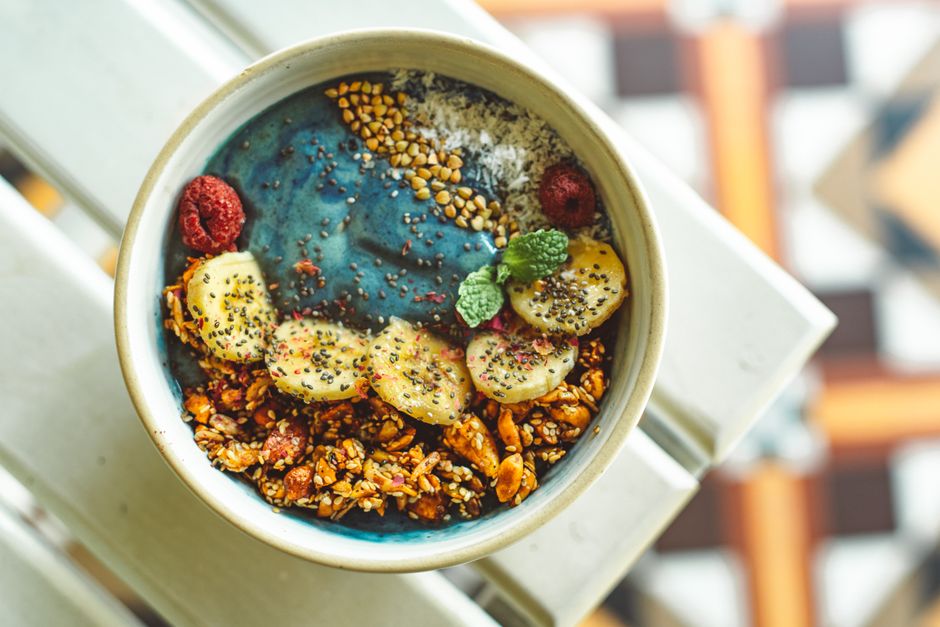
Spirulina is a type of blue-green algae sold as a dietary supplement in powder, tablet, and capsule form. It contains protein, B vitamins, iron, and a pigment called phycocyanin, along with other plant compounds. Some research suggests it may modestly improve certain markers like cholesterol and blood sugar, but the evidence is not strong enough to call it a proven treatment for any condition. It is better understood as a nutrient-dense food supplement than as a medicine.
What Is Spirulina Exactly?
Spirulina is the common name for dried biomass from certain cyanobacteria — Arthrospira platensis and Arthrospira maxima. Cyanobacteria are not true algae in the strict scientific sense, though the name “blue-green algae” has stuck. They grow naturally in warm, alkaline water and are also cultivated in controlled ponds for commercial sale.
The dried product is roughly 50 to 70 percent protein by weight, which is high for a plant source. It also contains gamma-linolenic acid, a fatty acid, and phycocyanin, the blue pigment that gives spirulina its color. Phycocyanin is an antioxidant, and much of the research interest in spirulina centers on it.
One point worth clarifying: spirulina is a whole food, not an isolated drug. When studies test it, they test the whole dried powder. That makes it hard to know which compound, if any, produces a given effect. It also means different products can vary widely in what they actually contain.
What Benefits Of Spirulina Have Actually Been Studied?
The most-studied areas are cholesterol, blood sugar, blood pressure, and exercise performance. Results are generally modest and inconsistent across trials. Small studies with different doses and populations make it hard to draw firm conclusions.
On cholesterol, some trials have reported small reductions in LDL cholesterol and triglycerides, with occasional increases in HDL cholesterol. Other trials found no meaningful change. A review of the evidence would reasonably conclude the effect, if real, is small and not a substitute for established treatments.
On blood sugar, a few small studies in people with type 2 diabetes reported improvements in fasting glucose. These studies were short and involved few participants. No clinical guideline recommends spirulina for diabetes management.
On blood pressure, some small trials reported mild reductions. The evidence is weak and does not support using spirulina instead of blood pressure medication.
On exercise, some research suggests spirulina may reduce exercise-induced oxidative stress or improve time to exhaustion in small groups of athletes. Findings vary, and the practical significance for most people is unclear.
A recurring problem across this research: most studies are small, short, and sometimes funded by spirulina producers. That does not make the findings false, but it does mean they should be read with caution.
Does Spirulina Help With Weight Loss or Energy?
No well-designed trial has shown that spirulina causes meaningful weight loss. Some small studies reported slight reductions in body weight or waist circumference, but the effects were minor and not consistently reproduced. Claims that spirulina “boosts metabolism” or “melts fat” are not supported by clinical evidence.
On energy, spirulina contains B vitamins and iron, both of which matter for normal energy metabolism. If someone has an iron deficiency, correcting it can improve fatigue. But spirulina is not a treatment for iron deficiency anemia, and it should not be used as one. Anyone with symptoms of anemia should see a clinician for proper testing and treatment.
The honest position: spirulina is a nutrient-dense food. It is not a weight-loss product and not an energy booster in the way marketing often implies.





How Does Spirulina Compare to Other Protein Sources?
Spirulina’s protein content is high by weight, but the amounts people actually consume are small. A typical serving is a few grams, which delivers only a fraction of the protein in a serving of meat, eggs, or legumes. The table below shows approximate values per 100 grams of dried product, which is far more than a normal serving.
| Nutrient (per 100 g dried) | Spirulina | Cooked Lentils | Cooked Chicken Breast |
|---|---|---|---|
| Protein | ~57 g | ~9 g | ~31 g |
| Iron | ~28 mg | ~3 mg | ~1 mg |
| Calories | ~290 | ~116 | ~165 |
These figures come from standard nutrient databases and reflect dried spirulina, not a typical dose. A 5-gram serving of spirulina provides roughly 3 grams of protein — useful as a supplement, not a protein source on its own.
The iron in spirulina is non-heme iron, the type found in plants. It is absorbed less efficiently than the heme iron in meat. Pairing it with vitamin C can improve absorption, but spirulina should not be relied on to treat or prevent iron deficiency.
Is Spirulina Safe? What Are the Risks?
For most healthy adults, spirulina taken in typical supplement amounts appears to be well tolerated. Reported side effects are usually mild and include digestive upset, nausea, or headache. This does not mean it is risk-free for everyone.
One real concern is contamination. Because spirulina is grown in water, it can pick up heavy metals, toxins, or other microorganisms if production is not carefully controlled. Some independent testing has found lead, mercury, or other contaminants in certain products. Buying from a manufacturer that does third-party testing reduces but does not eliminate this risk.
A second concern involves a family of toxins called microcystins, which can be produced by some cyanobacteria. Quality spirulina is tested to keep microcystin levels low, but poorly regulated products may not be. This is one reason to choose reputable brands over the cheapest option.
People with certain conditions should be cautious. Spirulina may affect the immune system, so anyone with an autoimmune condition should talk to a clinician before using it. It may also interact with blood thinners and with medications that suppress the immune system. Anyone taking prescription medication should check with a pharmacist or doctor first.
Pregnant and breastfeeding women, infants, and young children should not use spirulina supplements without medical guidance. No established clinical guidelines support its use in these groups, and the risk of contamination is a genuine concern.
What Should You Look For in a Spirulina Product?
Product quality varies more than most people expect. The label “spirulina” does not guarantee a clean or accurately dosed product, because supplements are regulated differently from drugs in the United States.
- Look for third-party testing. Certifications from independent labs indicate the product has been checked for contaminants and label accuracy.
- Check the source. Products grown in controlled, monitored facilities are less likely to contain heavy metals or toxins.
- Avoid products making drug-like claims. If a label promises to treat a disease, that is a warning sign, not a feature.
- Compare serving sizes. Protein, iron, and other nutrient amounts depend on how much you actually take.
None of these steps guarantee a benefit. They reduce the chance of harm from a poorly made product.
Does Spirulina Live Up to the Hype?
No, at least not in the way it is often marketed. Spirulina is a genuinely nutrient-dense food with a decent protein content and some antioxidant compounds. That is a real, if modest, point in its favor.
What it is not: a cure for any disease, a proven weight-loss aid, a replacement for medication, or a treatment for anemia. The clinical evidence for specific health benefits is limited, often from small or short studies, and sometimes from research with industry ties.
If you are generally healthy and want to add a nutrient-dense supplement to your diet, spirulina is a reasonable option for many people, provided you choose a reputable product and check with a clinician if you take medication or have a health condition. If you are hoping it will lower your cholesterol, control your blood sugar, or help you lose weight, the evidence does not support that expectation.
Frequently Asked Questions
What are the main benefits of spirulina?
Spirulina is a nutrient-dense food high in protein, iron, and antioxidants. Some small studies suggest modest effects on cholesterol and blood sugar, but the evidence is not strong enough to call it a proven treatment.
Is spirulina safe to take every day?
For most healthy adults, daily use in typical supplement amounts appears well tolerated. The main concern is contamination in poorly made products, so choose one with third-party testing.
Can spirulina help you lose weight?
No well-designed trial has shown that spirulina causes meaningful weight loss. Any reported effects in small studies were minor and not consistently reproduced.
Who should not take spirulina?
Pregnant or breastfeeding women, infants, and young children should avoid it without medical guidance. People with autoimmune conditions or those taking blood thinners or immune-suppressing drugs should check with a clinician first.
