
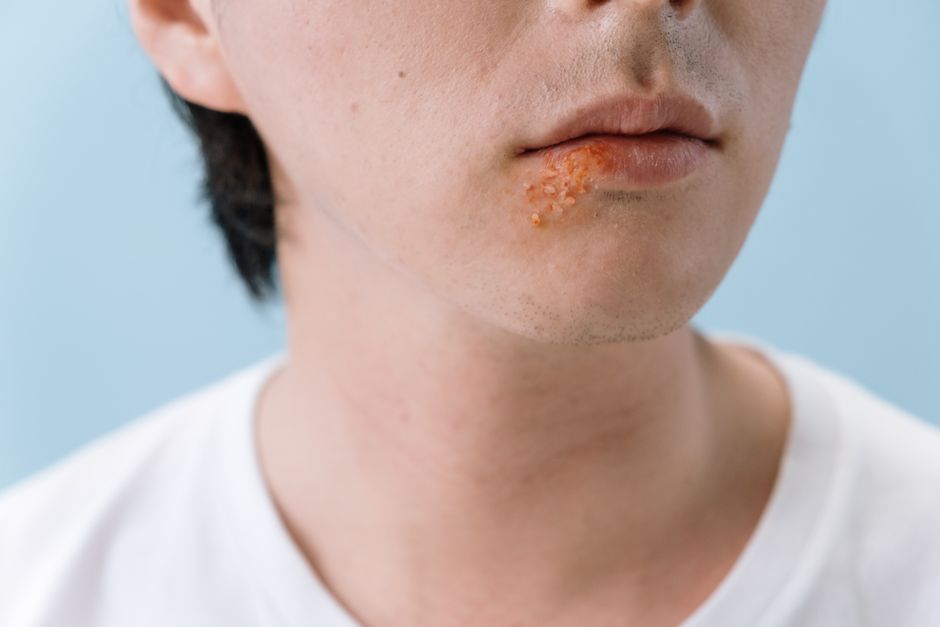
If you or someone you know has been diagnosed with thrombocytosis, you may have noticed changes in the skin. The most common skin symptoms of thrombocytosis are tiny red or purple spots called petechiae, easy bruising, and itching. These happen because too many platelets in the blood can cause tiny clots or bleeding under the skin. Some people also develop red, painful areas on the hands or feet, a condition called erythromelalgia. These symptoms are not always dangerous, but they are a signal that something in the blood needs attention.
What Exactly Are Petechiae and Why Do They Appear?
Petechiae are small, flat, red or purple dots on the skin. They look like a rash, but they do not blanch or turn white when you press on them. Research shows that petechiae in thrombocytosis occur because the high platelet count interferes with normal blood clotting. Platelets are the cells that help stop bleeding, but when there are too many, they can clump together in small blood vessels. This clumping can cause tiny breaks in the vessel walls, leading to small amounts of blood leaking into the skin.
These spots most often appear on the lower legs and feet. They are not raised and do not itch. The key difference between petechiae and a typical rash is that petechiae are pinpoint-sized and do not fade under pressure. If you see these spots, especially along with other symptoms like fatigue or headaches, it is worth mentioning to your doctor. The National Heart, Lung, and Blood Institute notes that petechiae are a common sign of platelet disorders, including thrombocytosis.
Why Does Thrombocytosis Cause Easy Bruising?
Easy bruising is one of the most reported skin symptoms. The mechanism is similar to petechiae. When platelet counts are extremely high, the platelets themselves may not function properly. They can be stickier than normal, leading to small clots. But they can also be less effective at forming a stable plug when a blood vessel is injured. This paradox — too many platelets but poor clotting — is well documented in medical literature.
Bruises from thrombocytosis may appear with very little injury. You might bump into a door frame and see a large purple mark the next day. These bruises often take longer to heal than normal. A study published in the journal Blood found that patients with essential thrombocythemia, a type of thrombocytosis, had significantly higher rates of bruising compared to the general population. The bruises can appear anywhere, but the arms and legs are most common. If you notice that you are bruising more than usual without a clear cause, a simple blood test can check your platelet count.
What Is Erythromelalgia and How Does It Affect the Skin?
Erythromelalgia is a distinct and uncomfortable skin symptom linked to thrombocytosis. It causes intense redness, heat, and a burning pain in the hands and feet. The skin in these areas becomes warm to the touch and may look swollen. Symptoms often flare up when you are warm or after exercise. Some people describe it as feeling like their feet are on fire.
The cause is related to how high platelet counts affect small blood vessels. Too many platelets can trigger inflammation and narrowing of tiny arteries in the extremities. This reduces blood flow and causes the characteristic redness and pain. A 2019 review in the Journal of the American Academy of Dermatology confirmed that erythromelalgia is a classic symptom of essential thrombocythemia. Relief often comes from cooling the affected area or elevating the feet. Some patients find that aspirin helps, but you should never start aspirin without a doctor’s approval, as it can increase bleeding risk in some cases.





Can Thrombocytosis Cause Itching and Other Skin Changes?
Yes, itching is a common but often overlooked symptom. The medical term for this is generalized pruritus. It can affect large areas of the body, and it is not always linked to a rash or dry skin. The itching is thought to be caused by the release of certain chemicals from platelets, including histamine and serotonin. When platelets are overproduced, these chemicals can build up and irritate nerve endings in the skin.
Some people also develop a condition called livedo reticularis. This appears as a lace-like, purplish pattern on the skin, usually on the legs. It happens when small blood vessels near the skin surface spasm or become blocked. While livedo reticularis can be caused by many things, it is worth noting if it appears alongside other symptoms of thrombocytosis. Other less common skin changes include small, painful nodules under the skin or areas of skin that turn pale or blue, especially in the fingers or toes. These are called digital ischemia and require immediate medical attention.
What Does Research Show About These Skin Symptoms?
Research on thrombocytosis and skin symptoms is clear but not always well known outside of specialist clinics. A large study from the Mayo Clinic followed patients with essential thrombocythemia for over a decade. They found that about 40% of patients reported skin-related symptoms at the time of diagnosis. The most common were bruising and petechiae. Erythromelalgia was present in about 20% of patients. These numbers show that skin symptoms are not rare — they are a core part of how this condition presents.
Another important finding comes from a 2021 study in the British Journal of Haematology. Researchers looked at the relationship between platelet count and symptom severity. They found that skin symptoms did not always correlate with how high the platelet count was. Some people with moderately elevated platelets had severe bruising, while others with very high counts had none. This means that how your body reacts to high platelets matters more than the number itself. The study also confirmed that treating the underlying thrombocytosis often reduces or eliminates the skin symptoms.
Here is a simple comparison of the main skin symptoms and their characteristics:
| Symptom | Appearance | Common Location | Key Feature |
|---|---|---|---|
| Petechiae | Tiny red or purple dots | Lower legs, feet | Do not blanch under pressure |
| Bruising | Large purple or blue marks | Arms, legs | Occurs with minimal injury |
| Erythromelalgia | Red, warm, swollen skin | Hands, feet | Burning pain, worse in heat |
| Itching | No visible rash usually | Generalized | Intense, not relieved by lotion |
| Livedo reticularis | Lace-like purple pattern | Legs, arms | Net-like appearance |
When Should You See a Doctor About These Symptoms?
You should see a doctor if you notice any of these skin changes, especially if they appear suddenly or without a clear cause. Easy bruising that happens after just a light bump is a reason to get checked. Petechiae that spread or do not go away in a few days also warrant a visit. If you have erythromelalgia — red, hot, painful hands or feet — do not ignore it. These symptoms can be managed, but they need a proper diagnosis first.
A primary care doctor can order a complete blood count (CBC) to check your platelet levels. If the count is high, they may refer you to a hematologist. The hematologist will determine whether you have primary thrombocytosis (a bone marrow condition) or secondary thrombocytosis (caused by another issue like infection or iron deficiency). The treatment and outlook depend on which type you have. For secondary thrombocytosis, treating the underlying cause often resolves the skin symptoms. For primary thrombocytosis, medications can lower platelet counts and reduce symptoms.
Do not try to treat these skin symptoms on your own. Over-the-counter creams for itching rarely help because the cause is internal. Aspirin can help some people but can be dangerous for others, especially if you have a history of bleeding or stomach ulcers. Always get a medical opinion before starting any treatment. The skin symptoms of thrombocytosis are real and can affect your quality of life, but with proper medical care, they can be managed effectively.
Frequently Asked Questions
Can thrombocytosis cause a rash on the face?
It is uncommon but possible. Petechiae or livedo reticularis can appear on the face, though they are more typical on the legs and feet.
Do skin symptoms of thrombocytosis go away on their own?
They may improve if the underlying condition is treated, but they rarely resolve without medical intervention.
Is itching from thrombocytosis different from normal itching?
Yes, it is often more intense and not relieved by moisturizers or antihistamines because it comes from chemicals released by platelets.
Can thrombocytosis cause blisters on the skin?
Blisters are not a typical symptom. If you develop blisters, it is likely due to another cause and should be evaluated by a doctor.
