
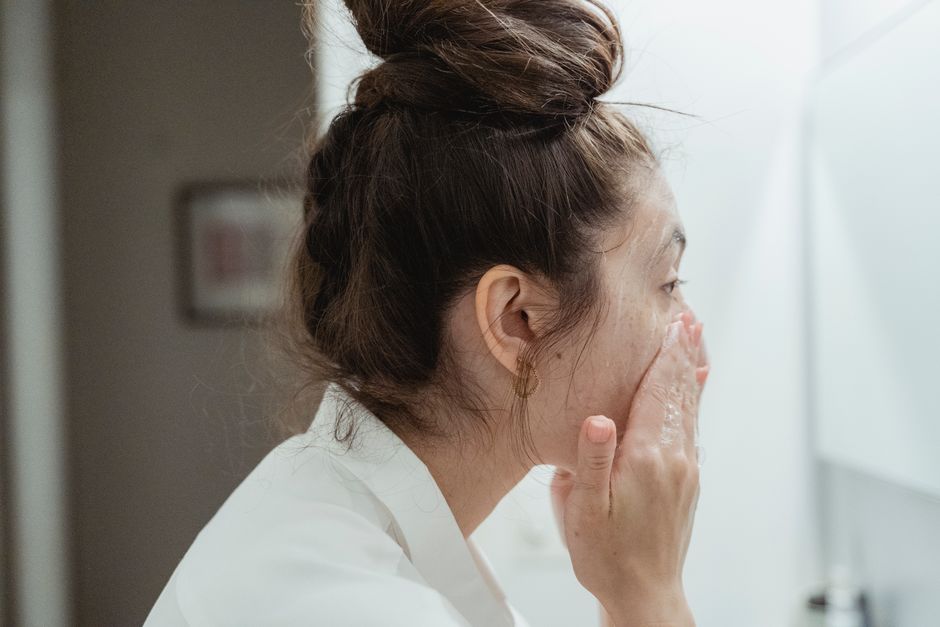
Millions of people have bought Proactiv, making it one of the most recognized acne brands in the world. The short answer to whether it is bad for your skin is no, not for most people, but it is also not the miracle solution many expect. Proactiv is a medicated skincare system that works well for some and causes problems for others, largely depending on your skin type and how you use it.
What Exactly Is Proactiv and How Does It Work?
Proactiv is a three-step acne treatment system that was created by two dermatologists. The original system includes a cleanser, a toner, and a treatment lotion. The active ingredient in the original formula is benzoyl peroxide, which kills acne-causing bacteria and helps unclog pores.
The key difference between Proactiv and many other acne products is that it keeps benzoyl peroxide on your skin all day. The cleanser washes it off, but the treatment lotion leaves a layer of the medicine behind. This continuous exposure is what makes it effective for some people, but it also increases the chance of irritation.
Proactiv now offers several versions, including formulas with adapalene, which is a retinoid. Adapalene works differently than benzoyl peroxide. It speeds up skin cell turnover and prevents clogged pores. Some newer Proactiv products combine both ingredients.
Is Proactiv Bad for Your Skin or Just Harsh?
Harsh is the more accurate word for most people. Proactiv contains 2.5% benzoyl peroxide in the treatment step. That is a standard strength found in many drugstore acne products. But the system applies it twice daily, which is more frequent than most dermatologists recommend for sensitive skin.
Research published in the Journal of the American Academy of Dermatology has shown that 2.5% benzoyl peroxide is just as effective as 5% or 10% but causes less irritation. The problem with Proactiv is not the concentration itself but the frequency of use. Many users apply it morning and night without any break-in period, which leads to red, peeling, and burning skin.
For people with oily, acne-prone skin that is not sensitive, this routine can work well. For anyone with dry, sensitive, or combination skin, the same routine can damage the skin barrier. A damaged skin barrier leads to more irritation, more breakouts, and a cycle that makes things worse.
What Does Research on Proactiv Show About Long-Term Use?
There is very little independent research specifically on Proactiv as a complete system. Most studies on benzoyl peroxide and adapalene look at the individual ingredients, not the branded three-step routine. The CDC and the FDA classify benzoyl peroxide as safe and effective for acne when used as directed.
One concern that has gained attention is benzoyl peroxide and cancer risk. The FDA has stated that benzoyl peroxide can cause a very small amount of benzene to form under certain conditions, such as high heat. Benzene is a known carcinogen. However, the levels detected in products stored properly at room temperature are extremely low. The FDA has not recalled any benzoyl peroxide products and continues to consider them safe when used correctly.
A larger concern for long-term users is skin aging and sensitivity. Chronic use of benzoyl peroxide can dry out the skin over months or years. Some people develop contact dermatitis, which is an allergic reaction to the ingredient. This is rare but real. If your skin becomes red, itchy, or swollen after using Proactiv, you should stop immediately.





Is Proactiv Bad for Your Skin Compared to Other Acne Treatments?
This is where the comparison gets useful. Proactiv is not fundamentally different from other benzoyl peroxide products. The main difference is the marketing and the three-step system. Many dermatologists recommend a simpler routine with fewer steps and gentler ingredients.
| Treatment | Key Ingredient | Typical Irritation Risk | Best For |
|---|---|---|---|
| Proactiv Original | Benzoyl peroxide 2.5% | Moderate to high | Oily, non-sensitive skin |
| Differin Gel (adapalene) | Retinoid | Moderate initially | Clogged pores, blackheads |
| Salicylic acid cleanser | Beta hydroxy acid | Low to moderate | Mild acne, oily skin |
| Prescription topical antibiotics | Clindamycin or erythromycin | Low | Inflammatory acne |
| Oral medications (spironolactone, antibiotics) | Systemic | Varies | Moderate to severe acne |
The table shows that Proactiv falls on the higher end of irritation risk compared to other common treatments. That does not mean it is bad. It means it requires more careful use. Many dermatologists suggest starting with a salicylic acid cleanser or a gentle retinoid like adapalene before trying a benzoyl peroxide system.
Who Should Avoid Proactiv Entirely?
Some people should not use Proactiv at all. If you have rosacea, eczema, or psoriasis, benzoyl peroxide can make these conditions much worse. The American Academy of Dermatology advises people with these conditions to avoid benzoyl peroxide products because they strip the skin barrier and cause inflammation.
Pregnant or breastfeeding women should also be cautious. The FDA lists benzoyl peroxide as category C for pregnancy, meaning animal studies have shown some risk but human studies are limited. Most dermatologists recommend avoiding benzoyl peroxide during pregnancy unless absolutely necessary and under a doctor’s supervision.
People with very dark skin should be aware that benzoyl peroxide can cause temporary lightening of the skin. This is called hypopigmentation. It usually resolves after stopping the product, but it can be distressing. If you have a darker skin tone, test Proactiv on a small area first.
How to Use Proactiv Safely If You Choose to Try It
If you decide to try Proactiv, do not follow the directions on the box exactly. The instructions say to use it twice daily from day one. That is too aggressive for most people. Instead, start by using the treatment lotion once every other day for the first two weeks. Apply it only at night.
- Use a gentle, non-medicated moisturizer after the treatment lotion dries. This reduces irritation significantly.
- Always wear sunscreen during the day. Benzoyl peroxide makes your skin more sensitive to the sun.
- If your skin feels tight, itchy, or burns when you apply moisturizer, stop using the treatment step for a few days. Let your skin recover.
- Do not combine Proactiv with other strong acne products like retinol, glycolic acid, or other benzoyl peroxide products. You will overdo it.
- After three months, if you see no improvement, Proactiv is not working for you. Stop using it and see a dermatologist.
Some people report that Proactiv stops working after a few months. This is common with any topical acne treatment. Bacteria can become less sensitive to benzoyl peroxide over time, or your skin simply adapts. If this happens, switching to a different active ingredient like adapalene or salicylic acid often helps.
Frequently Asked Questions
Can Proactiv make acne worse before it gets better?
Yes, this is called purging and it is common with any active acne ingredient like benzoyl peroxide or adapalene. It usually lasts two to four weeks and then improves.
Is Proactiv safe for teenagers with sensitive skin?
It can be used carefully, but teenagers with sensitive skin should start with a lower frequency of application and always use a moisturizer. Many dermatologists recommend a gentler option first.
Does Proactiv cause permanent skin damage?
No, permanent damage from Proactiv is extremely rare. Most side effects like redness, peeling, and dryness are temporary and resolve after stopping the product.
Can I use Proactiv with other skincare products like vitamin C serum?
It is best to avoid combining Proactiv with other active ingredients like vitamin C, retinol, or AHAs. Using them together increases irritation risk significantly.
