
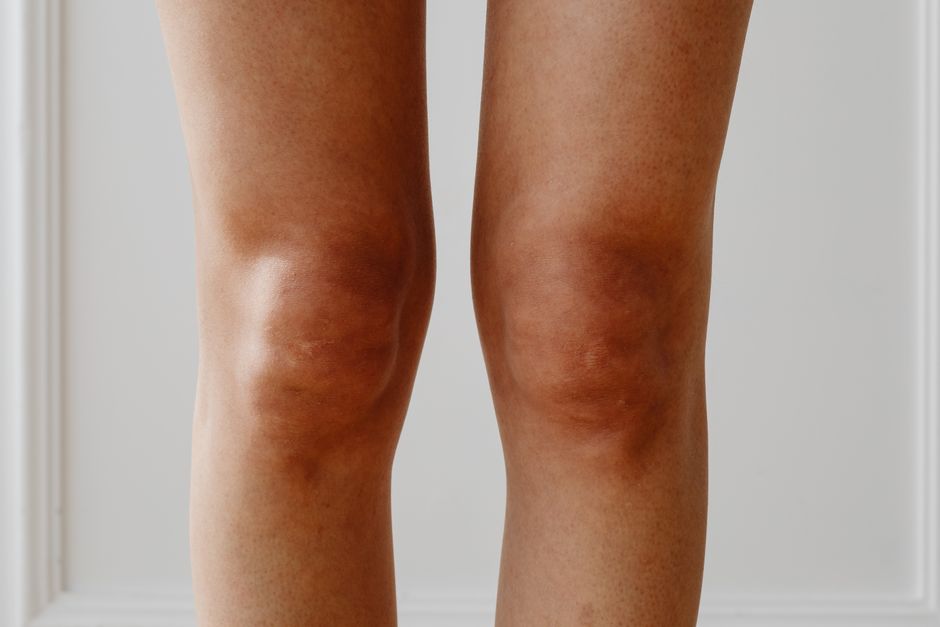
Rickets is a bone disease in children caused by a failure of bone mineralization — the process that hardens growing bone with calcium and phosphate. It is not an infection and not a single disease, but a group of conditions with different causes that produce similar bone changes. The classic form is nutritional rickets, caused by vitamin D deficiency, and it remains a real diagnosis in the United States, not a historical one.
What Are The Rickets? Definition and Core Mechanism
Bone is not static. In children, it is constantly being built and rebuilt, and that process depends on a steady supply of calcium and phosphate reaching the growth plates — the layers of cartilage near the ends of long bones where new bone forms.
Vitamin D is the key regulator here. Its main job is not to build bone directly. It is to help the gut absorb calcium and phosphate from food. When vitamin D is low, absorption drops, blood calcium falls, and the body compensates by pulling calcium out of bone. In a growing child, that leaves the growth plates unable to mineralize properly.
The result is soft, weak bone that bends under normal body weight. That is why the most visible signs of rickets appear in the legs, wrists, and rib cage — the places where a child’s skeleton bears load and grows fastest.
Rickets vs. Osteomalacia
The same mineralization failure produces a different disease in adults. In children, the growth plates are still open, so rickets affects both the growth plates and the bone itself. In adults, the growth plates have fused, so the condition is called osteomalacia — soft bones without the childhood deformities. Same underlying problem, different name and different physical signs.
What Causes Rickets?
Vitamin D deficiency is the most common cause worldwide, but it is not the only one. Rickets has several distinct causes, and identifying the right one matters because the treatments differ.
- Nutritional vitamin D deficiency — low intake, little sun exposure, or both. This is the classic and most common form.
- Calcium deficiency — a diet very low in calcium can cause rickets even when vitamin D levels are normal. This is more common in some parts of the world where dairy and fortified foods are limited.
- Phosphate deficiency — can result from certain inherited kidney disorders or from long-term use of some antacid medications.
- Genetic forms — rare inherited conditions, including vitamin D–resistant rickets, in which the body cannot respond normally to vitamin D.
- Malabsorption — conditions such as celiac disease or cystic fibrosis can prevent the gut from absorbing vitamin D and calcium properly.
- Liver or kidney disease — both organs are needed to convert vitamin D into its active form.
In the US, the children most at risk are those with limited sun exposure, darker skin (which requires more sun time to make the same amount of vitamin D), exclusively breastfed infants who do not receive vitamin D supplements, and children with certain chronic illnesses.
What Are the Symptoms of Rickets?
Symptoms develop slowly, and early rickets can be easy to miss. Parents often notice changes in how a child walks or stands before they notice anything about the bones themselves.
Early signs include bone pain, muscle weakness, and delayed crawling or walking. A child may seem unusually tired or reluctant to bear weight on their legs.
As the condition progresses, physical changes become visible:
- Bowed legs or, less often, knock-knees
- Widened wrists and ankles — the growth plates enlarge where they cannot mineralize
- A prominent breastbone, sometimes called a pigeon chest
- Beads along the ribs, known as a rachitic rosary
- Soft spots on the skull that close later than expected in infants
- Dental problems, including delayed tooth eruption and enamel defects
One detail worth knowing: the bone deformities of rickets can persist into adulthood even after vitamin D levels are corrected. Mineralization can recover, but a bowed leg that has already formed does not always straighten on its own. That is one reason early recognition matters.





How Is Rickets Diagnosed?
Diagnosis combines a physical exam, blood tests, and sometimes imaging. No single test confirms rickets on its own.
Blood tests typically measure:
- Alkaline phosphatase — usually elevated in rickets, because it reflects increased bone turnover
- Calcium and phosphate — one or both may be low
- Parathyroid hormone — often elevated as the body tries to correct low calcium
- 25-hydroxyvitamin D — the standard test for vitamin D status
X-rays of the wrist or knee can show widening and irregularity of the growth plates, which is a hallmark finding. In some cases, a bone biopsy may be used, though this is uncommon.
Reference ranges for these values vary by age and by laboratory, so results are interpreted in context rather than against a single universal cutoff. A clinician will also consider the child’s diet, sun exposure, medical history, and family history.
How Is Rickets Treated?
Treatment depends entirely on the cause. For nutritional rickets, the standard approach is vitamin D supplementation, often combined with calcium. In most cases, this corrects the underlying deficiency and allows bones to mineralize again.
Dosing is not something to estimate at home. Vitamin D is fat-soluble and can accumulate in the body, and the correct dose depends on the child’s age, weight, severity of deficiency, and the specific cause. Treatment should be guided by a clinician, and blood levels are usually rechecked to confirm the deficiency is resolving.
For genetic or phosphate-related forms, treatment is different and typically involves specialist care — sometimes phosphate supplements or activated vitamin D. These forms do not respond to ordinary vitamin D supplementation the same way.
When rickets is caught early and the cause is corrected, bone healing is often visible on X-ray within weeks to months. Established deformities may improve with growth, but some children need orthopedic evaluation, and in rare cases surgery, to correct severe bowing.
Can Rickets Be Prevented?
Nutritional rickets is largely preventable, and the main tool is ensuring adequate vitamin D intake from infancy onward.
Breast milk does not contain enough vitamin D to meet an infant’s needs on its own. This is why the American Academy of Pediatrics has long recommended vitamin D supplementation for all breastfed infants, and for formula-fed infants who are not taking in enough fortified formula. The standard supplement amount for infants is 400 international units (IU) per day, which is well established in pediatric guidance.
For older children and adults, vitamin D needs depend on age, sun exposure, skin tone, and diet. The recommended dietary allowance is 600 IU per day for most children and adults, rising to 800 IU per day after age 70. These are dietary reference values, not treatment doses.
Other steps that help:
- Include vitamin D–fortified milk, cereal, and fatty fish in the diet where appropriate
- Allow sensible sun exposure, while following skin cancer prevention guidance
- Address any underlying condition that interferes with absorption, such as celiac disease
It is worth being clear about one thing: vitamin D supplements are widely marketed for many purposes beyond bone health, and the evidence for those other uses is mixed at best. For rickets prevention specifically, the case is strong and long established.
Why Rickets Still Matters Today
It is tempting to file rickets under diseases that modern medicine has solved. That is not accurate. Cases continue to be reported in the US and other high-income countries, often in infants who were exclusively breastfed without supplementation, or in children with limited sun exposure and restricted diets.
The reason this matters is timing. Bone deformities that form during growth can leave lasting changes. A child who is diagnosed and treated early usually recovers fully. A child whose rickets goes unrecognized for years may carry the physical effects into adulthood.
Rickets is not a rare curiosity from the past. It is a preventable condition that still appears when vitamin D or mineral intake falls short during the years when bones are growing fastest.
Frequently Asked Questions
What is rickets in simple terms?
Rickets is a childhood bone disease where growing bones fail to harden properly, usually because of vitamin D deficiency. This causes soft, weak bones that can bend and deform.
What are the first signs of rickets?
Early signs often include bone pain, muscle weakness, and delayed crawling or walking. Visible changes like bowed legs or widened wrists usually appear later as the condition progresses.
Is rickets still common in the United States?
Rickets is uncommon but not eliminated in the US, and cases are still reported. Infants who are exclusively breastfed without vitamin D supplementation are among the groups at higher risk.
Can rickets be cured?
Nutritional rickets usually improves when the underlying vitamin D or calcium deficiency is corrected, and bone healing is often seen within weeks to months. However, bone deformities that have already formed may not fully reverse without further treatment.
