
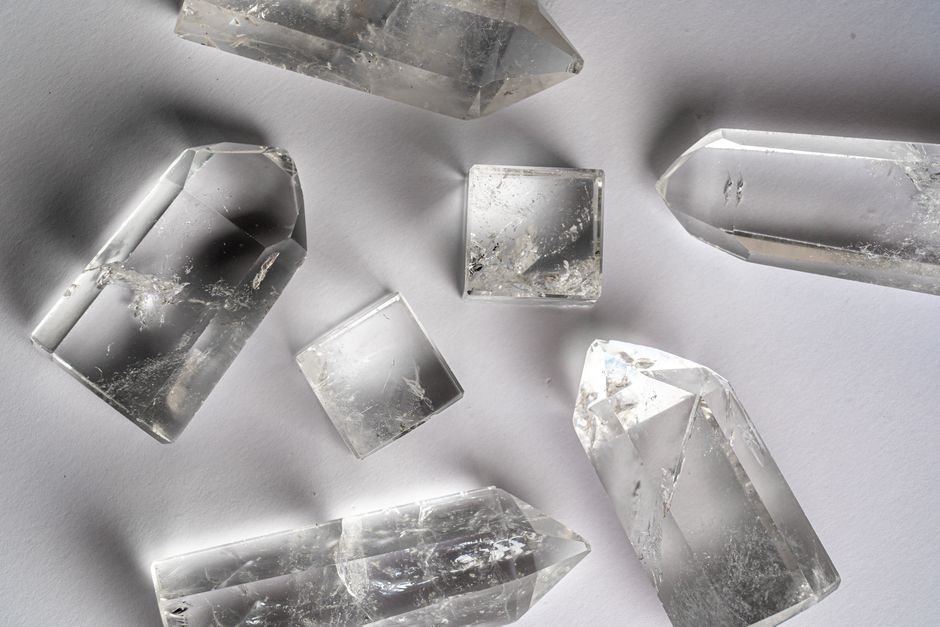
Silicon dioxide is a natural compound made of silicon and oxygen. It is one of the most common minerals on Earth, found in sand, quartz, rock, and in the tissues of many plants and animals. In food and supplements, it is used as an anti-caking agent to keep powders from clumping, and it appears on ingredient labels under names like silica or E551.
What Is Silicon Dioxide Made Of?
Silicon dioxide is exactly what its name says: one silicon atom bonded to two oxygen atoms. Its chemical formula is SiO₂. This simple structure forms a strong network that makes the compound extremely stable. That stability is why sand on a beach and the glass in your window are both mostly silicon dioxide.
In nature, silicon dioxide exists in crystalline forms like quartz and in amorphous forms, which lack a repeating crystal structure. The silicon dioxide used in food products is almost always the amorphous form. This matters because the two forms behave differently in the body. Crystalline silica is associated with lung damage when inhaled in industrial settings. Amorphous silica, the type used in food, does not carry that same risk.
Why Is Silicon Dioxide in Food and Supplements?
Manufacturers add silicon dioxide to powdered products for one primary reason: to stop clumping. It absorbs moisture and coats particles so they flow freely. You will find it in spices, coffee creamers, grated cheese, powdered drink mixes, and many dietary supplements in capsule or powder form.
The amount used is very small, typically less than 2 percent of the product’s weight. At that level, it serves a mechanical purpose, not a nutritional one. It is not there to provide health benefits. It is there to keep the product usable.
The U.S. Food and Drug Administration recognizes silicon dioxide as generally recognized as safe, or GRAS, when used according to good manufacturing practices. The same is true in the European Union, where it is approved as food additive E551.
Is Silicon Dioxide Safe to Eat?
Yes, at the levels used in food, silicon dioxide is safe for human consumption. The FDA allows its use without a specific daily limit because the compound passes through the digestive tract largely unchanged. Studies have not shown toxic effects from the small amounts found in food products.
Your body actually contains silicon naturally. It is a trace element found in connective tissue, bone, and blood vessels. Some research suggests silicon plays a role in bone health and collagen formation, though the evidence for taking silicon supplements for these purposes is not strong.
One important distinction: the silicon dioxide you eat is not the same as the crystalline silica dust that causes silicosis in miners and construction workers. That disease comes from inhaling fine crystalline particles over years of occupational exposure. Swallowing amorphous silicon dioxide in food does not carry that risk.




How Much Silicon Dioxide Is in Food?
Food-grade silicon dioxide is used at levels generally not exceeding 2 percent of the food’s weight. For a typical serving of a powdered product, that translates to a few milligrams. To put that in perspective, a single teaspoon of table salt weighs about 6,000 milligrams. The silicon dioxide in your food is a tiny fraction of that.
There is no established recommended daily allowance for silicon. The body does not appear to require a dietary source because silicon is so abundant in plant foods, drinking water, and even beer. Whole grains, vegetables, and fruits all contain natural silicon dioxide.
Are There Different Types of Silicon Dioxide?
Yes, and the differences matter for safety. The main types are crystalline and amorphous.
- Crystalline silica — found in quartz, sand, and granite. Inhalation of fine crystalline dust is linked to lung disease. Not used in food.
- Amorphous silica — the form used in food and supplements. Considered safe for ingestion at approved levels.
- Colloidal silicon dioxide — a form of amorphous silica used as a thickening and anti-caking agent in pharmaceuticals and cosmetics.
- Precipitated silica — manufactured amorphous silica used in food and industrial applications.
When you see silicon dioxide on a food label, it is almost always amorphous silica produced specifically for food use. It is manufactured under controlled conditions and tested for purity.
Is Silicon Dioxide the Same as Silicone?
No. This is a common confusion. Silicon dioxide is a mineral compound. Silicone is a synthetic polymer made from silicon, oxygen, carbon, and hydrogen. They share the element silicon but have entirely different structures and uses.
Silicone is used in medical implants, bakeware, sealants, and personal lubricants. Silicon dioxide is used in food, glass, and electronics. The two are not interchangeable, and their safety profiles are completely different.
Another related term is silica. This is simply the common name for silicon dioxide. When a supplement label says “silica,” it means silicon dioxide. When a product says “silicon,” it usually refers to the element itself or a compound containing it, such as silica or silicic acid.
Does Your Body Need Silicon Dioxide?
Silicon is a trace element, which means your body needs it in very small amounts. It is found in bone, cartilage, skin, and blood vessel walls. Some studies suggest silicon may help with bone mineralization and collagen synthesis, but the evidence is not strong enough to recommend silicon supplements for these purposes.
Most people get plenty of silicon from their diet without thinking about it. Plant foods are the richest sources. Bananas, green beans, whole wheat, oats, and drinking water all provide silicon naturally. There are no known deficiency symptoms for silicon in humans, which suggests the body manages with the amounts it gets from a normal diet.
Some supplement companies market silicon dioxide or silica as a beauty or bone-health ingredient. The evidence for these claims is limited. No large clinical trials have confirmed that taking silica supplements improves skin, hair, or bone density in healthy people. If you are considering a silica supplement, understand that the marketing is ahead of the science.
Should You Avoid Silicon Dioxide in Food?
For most people, there is no reason to avoid silicon dioxide in food. It is safe at approved levels, and the amounts consumed are tiny. People with specific sensitivities or those following strict elimination diets may choose to avoid products with anti-caking agents, but this is a personal choice rather than a medical necessity.
If you are concerned about additives in general, the practical approach is to eat fewer highly processed foods. Powdered products that need anti-caking agents are typically processed foods anyway. Reducing your intake of these products reduces your exposure to all additives, not just silicon dioxide.
No clinical guidelines currently exist for limiting silicon dioxide intake because no evidence indicates a need for limits. The FDA did not establish an acceptable daily intake because the compound’s safety profile did not require one.
Frequently Asked Questions
Is silicon dioxide dangerous to consume?
No, silicon dioxide is safe to consume at the levels used in food products. It passes through the digestive tract largely unchanged and is recognized as safe by regulatory agencies.
Why is silicon dioxide added to supplements?
Silicon dioxide is added to supplements as an anti-caking agent to prevent powders from clumping. It serves a manufacturing purpose, not a nutritional one.
Can silicon dioxide cause kidney stones?
No evidence links dietary silicon dioxide to kidney stones. Most kidney stones are made of calcium oxalate, not silicon compounds.
Is silicon dioxide the same as silica?
Yes, silica is the common name for silicon dioxide. They are the same compound with the chemical formula SiO₂.
