
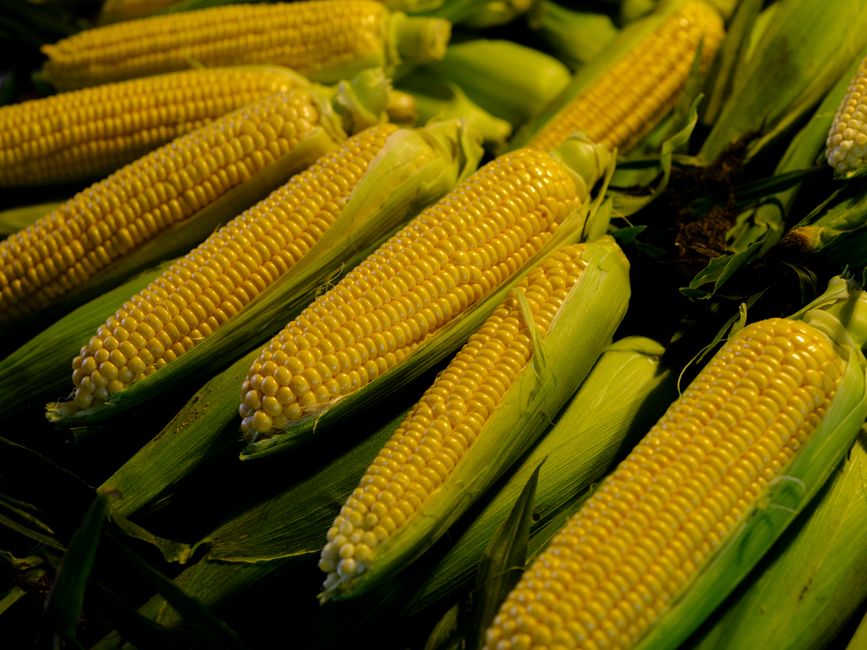
Corn is a whole grain that provides a solid mix of carbohydrates, fiber, vitamins, and minerals. A one-cup serving of cooked yellow corn (about 154 grams) gives you roughly 143 calories, 31 grams of carbohydrates, 5 grams of protein, and 2 grams of fat. It is a good source of thiamin (vitamin B1), folate, magnesium, phosphorus, and vitamin C. Corn also delivers significant amounts of lutein and zeaxanthin, two antioxidants that support eye health. The nutritional value depends heavily on how the corn is prepared and whether it is eaten fresh, canned, or processed.
What Are The Nutritional Values Of Corn Compared to Other Grains?
Corn stands apart from wheat and rice in several ways. A cup of cooked corn has about 4.6 grams of fiber. That is more than white rice (0.6 grams) and similar to brown rice (3.5 grams) or whole wheat pasta (about 6 grams). The fiber in corn is mostly insoluble, which helps with digestion and bowel regularity.
The protein content of corn is lower than wheat. Corn provides about 5 grams of protein per cup, while whole wheat pasta offers around 8 grams. Corn protein is also incomplete, meaning it lacks some essential amino acids, particularly lysine and tryptophan. This matters if corn is a major protein source in your diet. Pairing corn with beans or other legumes fills this gap naturally.
Corn is higher in natural sugars than most other whole grains. A cup of cooked corn has about 6 grams of sugar. Brown rice has less than 1 gram. This is not a problem for most people, but it is worth noting if you are monitoring sugar intake for blood sugar management.
Does the Way You Prepare Corn Change Its Nutritional Value?
Yes, preparation changes the nutritional profile significantly. Boiling or steaming fresh corn on the cob preserves most vitamins and minerals. Grilling adds flavor without adding fat, though some vitamin C may degrade from the heat.
Canned corn often has added sugar and salt. A half-cup serving of canned corn can contain 200-300 mg of sodium, which is about 10-15% of the daily recommended limit. Look for “no salt added” or “low sodium” versions. Draining and rinsing canned corn can reduce sodium by about 40%.
Creamed corn is a different story. It is canned corn with added sugar and starch. A half-cup serving has roughly 10-12 grams of sugar, much of it added. The fiber content drops because the processing removes some of the corn kernel structure.
Frozen corn is nutritionally close to fresh. It is typically blanched quickly before freezing, which preserves most nutrients. A 2015 study published in the Journal of Food Science and Technology found that frozen corn retained comparable levels of vitamin C and carotenoids to fresh corn stored for three days.
What Are the Key Vitamins and Minerals in Corn?
Corn provides a meaningful amount of several B vitamins. Thiamin (B1) is the most notable, with one cup providing about 0.2 mg or roughly 15% of the daily value. Thiamin helps your body convert carbohydrates into energy. Folate is also present at about 55 mcg per cup, which is 14% of the daily value. Folate is important for DNA synthesis and cell division.
The mineral content includes magnesium (44 mg per cup, about 10% DV), phosphorus (111 mg, about 9% DV), and potassium (416 mg, about 9% DV). Potassium is often underappreciated in corn. It helps regulate blood pressure and muscle function. A cup of corn has about as much potassium as a medium banana (422 mg).
Corn contains trace amounts of zinc, iron, and selenium. These levels are not high enough to rely on corn as a primary source, but they contribute to overall intake. The iron in corn is non-heme iron, which is less easily absorbed than the heme iron found in animal foods.





How Do the Antioxidants in Corn Affect Health?
Corn is one of the few grains that contains significant levels of carotenoid antioxidants. The two most important are lutein and zeaxanthin. These compounds accumulate in the macula of the eye, where they filter harmful blue light and protect against oxidative damage. The Centers for Disease Control and Prevention notes that lutein and zeaxanthin intake is linked to a lower risk of age-related macular degeneration, which is a leading cause of vision loss in older adults.
A cup of cooked yellow corn provides about 1.5 mg of lutein and zeaxanthin combined. That is roughly 25% of the daily intake associated with eye health benefits in some studies. White corn has very little of these compounds, so yellow corn is the better choice for antioxidant content.
Corn also contains ferulic acid, a phenolic compound that acts as an antioxidant. Some research suggests ferulic acid may have anti-inflammatory effects and could help reduce the risk of certain cancers. The evidence is still early, and most studies have been done in cells or animals, not humans.
What Are the Common Misconceptions About Corn and Nutrition?
The biggest misconception is that corn has no nutritional value at all. This likely comes from the fact that processed corn products like high-fructose corn syrup, corn oil, and corn chips are nutrient-poor. But whole corn, eaten as a kernel, is a legitimate whole grain with fiber, B vitamins, and antioxidants.
Another common belief is that corn is fattening. A cup of cooked corn has 143 calories. That is about the same as a cup of cooked quinoa (222 calories) or brown rice (218 calories). Portion size matters more than the food itself. Eating three ears of corn drenched in butter is a different nutritional story than eating one ear with a light seasoning.
Some people also think corn causes inflammation. The opposite may be true. The fiber and ferulic acid in whole corn have anti-inflammatory properties in some studies. There is no strong evidence that whole corn promotes inflammation in healthy people. Processed corn products with added sugar and unhealthy fats are a separate issue entirely.
Frequently Asked Questions
Is corn a vegetable or a grain?
Corn is both botanically. It is a grain (cereal) when harvested dry and a vegetable when harvested fresh. Nutritionally, it counts as a whole grain in its dried form and as a starchy vegetable when eaten fresh.
Does eating corn spike blood sugar?
Corn has a medium glycemic index around 52-55. The fiber content moderates blood sugar response compared to refined grains. People with diabetes can eat corn in reasonable portions, but pairing it with protein or fat helps slow digestion further.
Can you eat corn raw?
Yes, raw corn is safe to eat. It is crisp and sweet. However, cooking corn makes some nutrients more available, particularly the carotenoids lutein and zeaxanthin, which are better absorbed after light heat.
Is GMO corn safe to eat?
Yes. The World Health Organization and the National Academies of Sciences have concluded that approved GMO corn varieties are safe for human consumption. Most corn grown in the United States is genetically modified, but the nutritional profile is similar to non-GMO corn.
