
The endocrine system is your body’s network of glands that produce and release hormones. These chemical messengers travel through your bloodstream to tissues and organs, telling them what to do and when. The system regulates growth, metabolism, reproduction, mood, and sleep—essentially the slow, steady controls that keep your body running from day to day.
What Are The Endocrine System Functions? The Basics
Hormones are the core of the endocrine system. Each gland makes specific hormones that target specific cells. When a hormone reaches its target, it binds to a receptor and triggers a change—like telling the pancreas to release insulin or the thyroid to speed up your metabolism.
Unlike the nervous system, which sends fast electrical signals, the endocrine system works on a slower timescale. Effects can take seconds, minutes, or even days to appear. But those effects last much longer. This is why hormonal changes—like puberty or menopause—shape the body over years, not moments.
Which Glands Make Up the Endocrine System?
The major glands include the pituitary, thyroid, parathyroid, adrenal, pancreas, and the reproductive glands (ovaries and testes). The pineal gland and thymus also play roles, and organs like the kidneys and gut produce hormones too.
The pituitary gland sits at the base of the brain and is often called the “master gland.” It does not act alone, though. It releases hormones that signal other glands to release their own hormones. The hypothalamus, a brain region just above the pituitary, links the nervous system to the endocrine system by sending chemical signals to the pituitary.
The thyroid gland wraps around the front of your windpipe. It controls how fast your body uses energy. The four tiny parathyroid glands sit behind it and regulate blood calcium. The adrenal glands, on top of each kidney, produce cortisol, adrenaline, and aldosterone—hormones that manage stress, blood pressure, and salt balance.
The pancreas works as both a digestive organ and an endocrine gland. Its beta cells release insulin, and its alpha cells release glucagon. Together they keep blood sugar in a tight range.
How Do Hormones Actually Work?
Hormones fall into two broad chemical types, and that changes how they act. Steroid hormones—like cortisol and estrogen—are fat-soluble. They pass easily through cell membranes and work inside the cell, often turning genes on or off. Peptide hormones—like insulin and growth hormone—are water-soluble. They cannot enter cells, so they bind to receptors on the cell surface and trigger a signaling cascade inside.
Receptor sensitivity matters as much as hormone levels. If you have plenty of a hormone but the receptors are not responding, the body acts as if the hormone is low. This is exactly what happens in type 2 diabetes, where cells become resistant to insulin despite normal or high insulin levels in the blood.
Hormones also operate through feedback loops. The most common is negative feedback. Think of a thermostat. When a hormone level rises high enough, the brain and pituitary detect it and slow production. When it drops too low, production increases again. This keeps levels stable.
Positive feedback is rarer but exists. During childbirth, oxytocin release causes contractions, which push the baby down, which triggers more oxytocin. The loop continues until the baby is delivered.




What Does the Endocrine System Regulate?
Metabolism and energy. Thyroid hormones set your basal metabolic rate—how many calories you burn at rest. When thyroid hormone levels are low, you feel tired, gain weight, and feel cold. When they are high, you may lose weight, feel anxious, and sweat more.
Blood sugar. Insulin lowers blood glucose by moving sugar into cells. Glucagon raises it by prompting the liver to release stored sugar. This balance keeps your brain—which depends almost entirely on glucose—fed between meals.
Growth and development. Growth hormone from the pituitary drives childhood growth and maintains muscle and bone mass in adults. Thyroid hormone is also essential for brain development in infants.
Stress response. The adrenal glands release adrenaline quickly during a threat, raising heart rate and blood flow to muscles. Cortisol follows more slowly, mobilizing energy and dampening inflammation. This system is designed for short bursts, not chronic stress.
Reproduction and sex characteristics. Estrogen, progesterone, and testosterone control puberty, menstrual cycles, sperm production, pregnancy, and libido. Follicle-stimulating hormone and luteinizing hormone from the pituitary direct the reproductive glands.
Calcium balance. Parathyroid hormone raises blood calcium by pulling it from bone, increasing absorption in the gut, and reducing loss in urine. Calcitonin from the thyroid does the opposite, though its role in adults is minor compared to parathyroid hormone.
Fluid and salt balance. Aldosterone tells the kidneys to hold onto sodium and excrete potassium. Antidiuretic hormone (ADH) tells the kidneys to hold onto water. Together they control blood pressure and hydration.
What Happens When the Endocrine System Fails?
Endocrine disorders fall into two basic patterns: too much hormone or too little. Both cause problems, and the symptoms depend on which hormone is off.
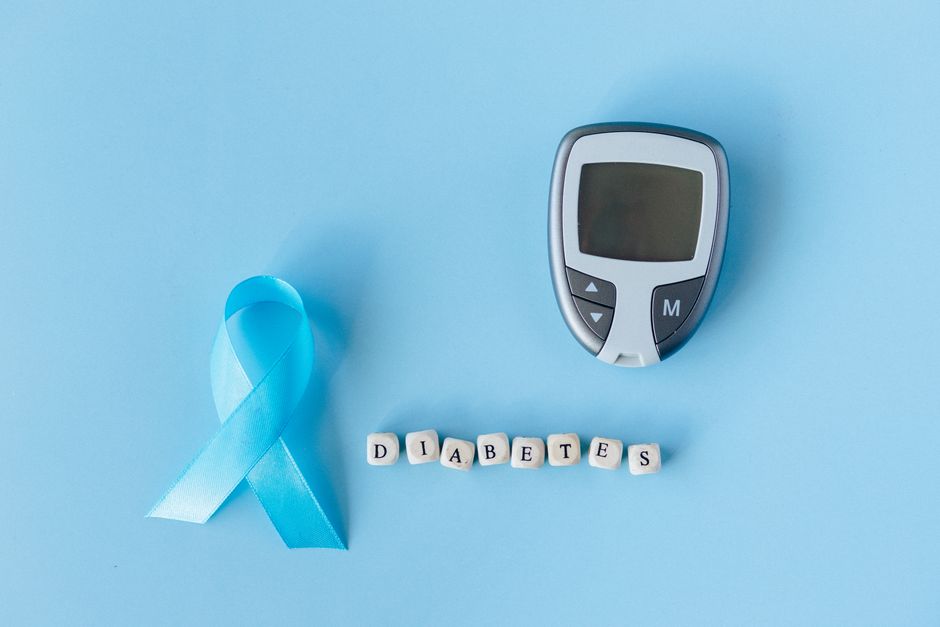
Diabetes is the most common endocrine disorder. In type 1 diabetes, the immune system destroys insulin-producing cells, so no insulin is made. In type 2, cells resist insulin and the pancreas eventually cannot keep up. Both leave blood sugar high, which damages blood vessels, nerves, kidneys, and eyes over time.
Thyroid disorders are also common. Hypothyroidism—an underactive thyroid—slows the entire body. Hyperthyroidism—an overactive thyroid—speeds everything up. Both are treatable with medication, and blood tests can reliably diagnose them.
Adrenal insufficiency, known as Addison’s disease, occurs when the adrenal glands do not produce enough cortisol and aldosterone. Symptoms include fatigue, low blood pressure, and salt cravings. In contrast, Cushing’s syndrome results from too much cortisol, causing weight gain, high blood sugar, and thinning skin.
Growth hormone disorders are less common. Too little in childhood leads to short stature. Too much causes gigantism in children or acromegaly in adults—a condition of enlarged hands, feet, and facial features.
Can You Keep Your Endocrine System Healthy?
There is no proven diet or supplement that “boosts” the endocrine system as a whole. The system balances itself through feedback loops, and healthy glands do not need external stimulation. What you can do is avoid the things that disrupt it.
Sleep matters. Growth hormone is released mainly during deep sleep, and cortisol follows a daily rhythm tied to your sleep-wake cycle. Chronic sleep deprivation disrupts both. Studies have shown that even a few nights of short sleep can raise evening cortisol and reduce insulin sensitivity.
Regular physical activity improves insulin sensitivity. Muscle tissue takes up glucose without needing as much insulin, so your pancreas does not have to work as hard. This effect is well established, and it is one of the most reliable ways to reduce type 2 diabetes risk.
Maintaining a healthy body weight also helps. Excess fat tissue—especially around the abdomen—releases inflammatory signals that interfere with insulin signaling. Weight loss of even 5 to 10 percent can meaningfully improve blood sugar control in people with prediabetes or type 2 diabetes.
Be cautious with unregulated supplements. Some products marketed for “hormone balance” contain actual hormones or hormone-like compounds. Others make claims with no clinical evidence behind them. No supplement has been proven to restore a failing endocrine gland.
Endocrine-disrupting chemicals are a real but poorly understood concern. Some plastics, pesticides, and industrial chemicals can interfere with hormone receptors in lab studies. Whether everyday exposure levels harm human health is still debated. The evidence is not strong enough to justify panic, but it is reasonable to minimize unnecessary exposure to known disruptors like BPA in food containers.
If you have symptoms of a hormone problem—unexplained weight change, persistent fatigue, extreme thirst, or irregular periods—see a doctor. Blood tests can measure hormone levels directly. Self-diagnosis is unreliable, because symptoms like fatigue and weight gain overlap with many non-hormonal conditions.
When Should You See a Doctor?
Sudden or severe symptoms deserve prompt medical attention. Extreme thirst with frequent urination, unintentional weight loss, or blurry vision can signal undiagnosed diabetes. Severe fatigue with cold intolerance and dry skin may indicate hypothyroidism. Heart palpitations, anxiety, and unintended weight loss can point to hyperthyroidism.
These symptoms do not automatically mean you have an endocrine disorder. But they are worth evaluating, because many endocrine conditions are highly treatable once diagnosed. A simple blood test can often provide answers quickly.
Frequently Asked Questions
What are the main organs of the endocrine system?
The main organs are the pituitary, thyroid, parathyroid, adrenal glands, pancreas, and the ovaries or testes. The hypothalamus in the brain directs the pituitary, and several other organs also produce hormones.
How many hormones does the endocrine system produce?
More than 50 different hormones have been identified in the human body. The exact count depends on how you classify hormone-like signaling molecules produced by other tissues.
What is the difference between the endocrine and nervous system?
The nervous system sends fast electrical signals that act in milliseconds, while the endocrine system releases hormones that act over minutes, hours, or days. The endocrine effects last longer and influence broad processes like growth and metabolism.
Can stress permanently damage the endocrine system?
Chronic stress keeps cortisol levels elevated, which can impair insulin sensitivity and disrupt sleep over time. These effects are largely reversible when the stress is managed, but prolonged stress does raise the risk of metabolic problems.
