
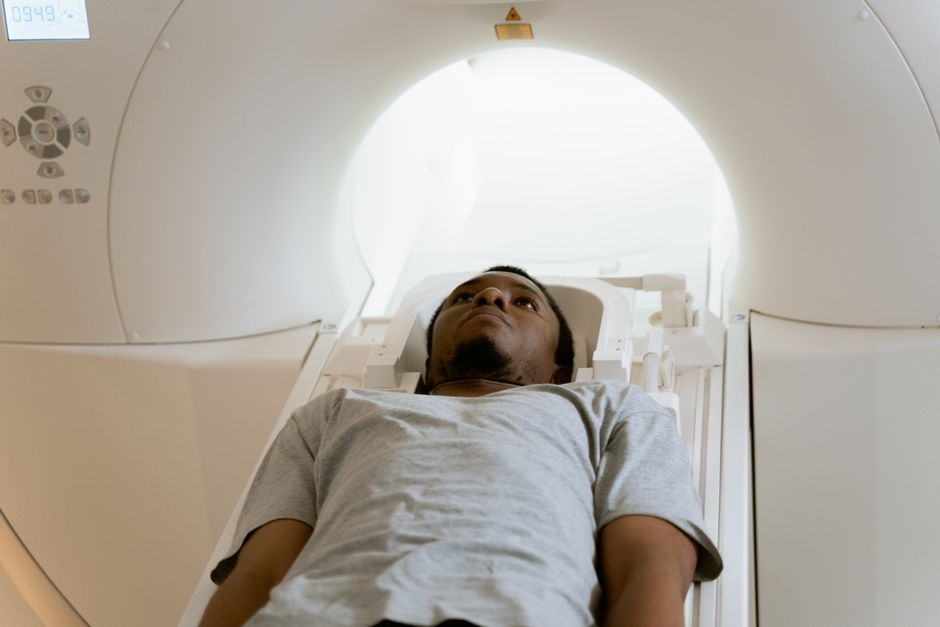
An EEG is one of the safest medical tests you can have. It records the brain’s electrical activity through small metal discs placed on your scalp. Nothing is injected, no radiation is used, and the machine does not send any current into your head. The main drawbacks are practical rather than dangerous: the test takes time, the glue and electrodes are uncomfortable, results can be unclear, and a normal scan does not rule out every brain problem. Most people finish with little more than sticky hair and a mild headache.
What Are The Drawbacks Of Having An Eeg Scan?
The drawbacks fall into a few clear groups. The test itself is passive and low-risk, so the downsides come from preparation, discomfort, and what the results can and cannot tell you.
An EEG takes time. A standard recording runs about 20 to 40 minutes, but a full appointment often takes longer once you count check-in, setup, and cleanup. If your doctor orders sleep deprivation or a longer study, it can stretch across hours or even a full day.
The setup is the part most people dislike. A technician measures your head and marks each spot with a soft pencil or blunt tool, then attaches roughly 20 or more electrodes with a sticky paste. The paste can feel cold and tacky. Getting it out of your hair afterward usually takes a few washes.
You have to stay still. Movement creates electrical signals that can blur the reading, so the technician will ask you to relax and hold position. For children or anyone who finds stillness hard, this is the real challenge of the test.
Some people get a mild headache or feel tired afterward, often from the paste, the lying still, or the sleep changes if the test required you to stay awake all night first. These effects are short-lived.
Is An Eeg Scan Dangerous Or Painful?
An EEG is not dangerous in any meaningful sense. It does not use radiation like a CT scan, it does not involve a magnetic field like an MRI, and it does not require sedation or contrast dye. The electrodes only listen to electrical activity your brain is already producing.
It is not painful, but it is not comfortable either. The most you are likely to feel is light scratching during scalp preparation, pressure from the electrodes, and the odd sensation of the sticky paste. If a test includes a “photic stimulation” step, you will see brief flashes of light. That can be uncomfortable for some people, and it is not recommended for anyone with a history of light-triggered seizures unless a doctor has reviewed the risks.
One point that surprises people: the EEG machine does not deliver any electricity to you. It only records. That is why the test carries essentially no electrical risk, even in small children.
Why Can Eeg Results Be Hard To Interpret?
An EEG shows patterns of electrical activity, not a picture of the brain. Reading it takes skill, and even skilled readers do not always agree. Some research suggests that inter-rater agreement on EEG interpretation is imperfect, especially for subtle findings. That means two trained specialists can look at the same tracing and reach somewhat different conclusions.
A normal EEG does not rule out epilepsy. Seizures that start deep in the brain, or that happen rarely, may not show up during a short recording. This is why doctors sometimes order a longer study, a sleep-deprived EEG, or a video EEG that runs for hours or days in a monitored setting.
An abnormal EEG does not automatically mean you have a disease either. Some patterns are common and harmless, and can appear in people without any neurological condition. The result has to be read alongside your symptoms, your history, and other tests. An EEG is one piece of a puzzle, not a verdict on its own.



What Practical Problems Come With An Eeg Appointment?
The logistics are often the biggest drawback. EEGs are usually done in a hospital or specialist clinic, which means travel, scheduling, and sometimes a wait for an appointment.
- Preparation rules. You may be asked to wash your hair and skip certain hair products, avoid caffeine, or change your sleep schedule. Sleep-deprived EEGs require you to stay up much of the night before, which is unpleasant and can leave you groggy.
- Time off work or school. A standard EEG takes a chunk out of a day. A longer or video study can take several days.
- Cost and insurance. Coverage varies by plan and by why the test was ordered. It is worth checking before you book.
- Children. Young children may need extra time, distraction, or in some cases a mild sedative prescribed by the doctor. Sedation carries its own small risks, so it is not used casually.
None of these are medical dangers. They are the ordinary friction of a medical test, and most people find them manageable once they know what to expect.
How Does An Eeg Compare With Other Brain Tests?
Each brain test answers a different question. An EEG is best at showing electrical activity and timing, which is why it is used to look at seizures and sleep patterns. It is not the best tool for spotting tumors, strokes, or structural problems.
| Test | What it shows | Main drawbacks |
|---|---|---|
| EEG | Electrical activity and timing | Time, sticky paste, results can be unclear |
| MRI | Structure of the brain | Long scan, loud noise, not for people with certain implants |
| CT scan | Structure, bleeding, fractures | Uses radiation |
This is why doctors often combine tests. An EEG might show a seizure pattern while an MRI checks whether there is a structural cause behind it. Neither test replaces the other.
When Should You Talk To Your Doctor About An Eeg?
An EEG is usually ordered when there is a specific reason to look at brain electrical activity. Common reasons include unexplained blackouts, suspected seizures, confusion, certain sleep problems, and monitoring during brain surgery.
If you have had a first seizure, a fainting spell, or episodes of altered awareness, that is a conversation for a doctor, not a reason to search for a test on your own. The decision to order an EEG depends on what your symptoms look like and what other tests have shown.
If you are booked for an EEG, ask what the test is meant to answer. That single question helps you understand the result and reduces the frustration of an inconclusive scan.
Frequently Asked Questions
Does an EEG hurt?
No, an EEG does not hurt. You may feel light scratching during scalp preparation and pressure from the electrodes, but there is no electrical current sent into your head.
Can an EEG damage your brain?
No, an EEG cannot damage your brain. The machine only records electrical activity your brain already produces, and no radiation or magnetic field is involved.
How long does it take to recover from an EEG?
There is no recovery period in the medical sense. Most people leave right after the appointment and return to normal activity, though washing the paste out of your hair may take a few washes.
Can an EEG miss a seizure?
Yes, an EEG can miss a seizure, especially if the seizure happens outside the recording window or starts deep in the brain. A normal EEG does not rule out epilepsy, which is why longer or sleep-deprived studies are sometimes used.
