
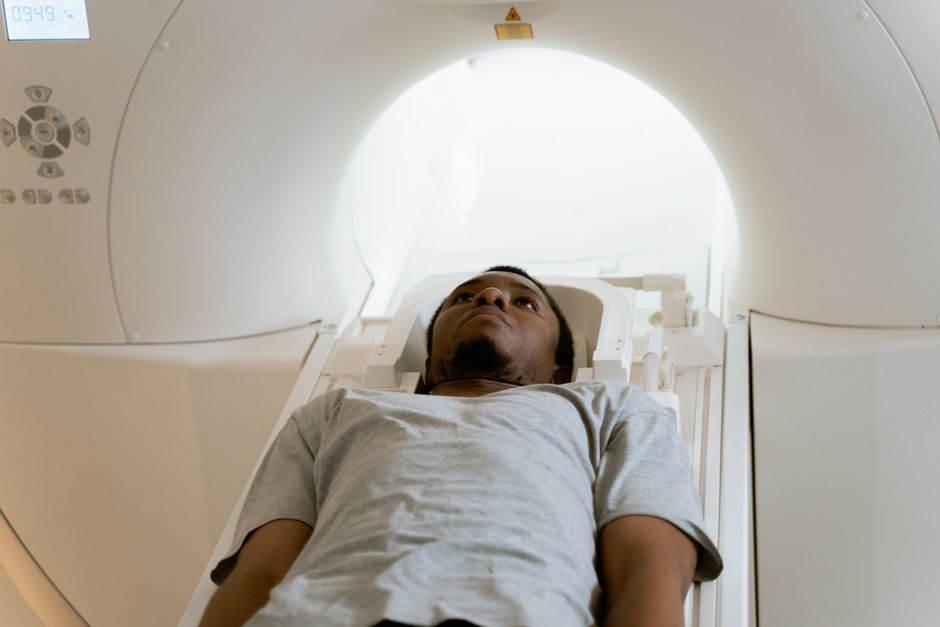
You had a CT scan this morning. Now it’s late afternoon and you feel drained, foggy, and oddly heavy — like you haven’t slept in two days. That reaction is real, and it’s more common than most people realize. The short answer: fatigue after a contrast CT scan usually comes from a mix of physical stress, dehydration, the iodinated contrast dye itself, and the emotional toll of the appointment. Most of the time it fades within a day or two. Occasionally it points to something that needs a doctor’s attention.
What Causes Fatigue After A Ct Scan With Contrast?
No single factor explains it for everyone. In most cases, several small stresses stack up on the same day.
The contrast dye is the most obvious suspect. Iodinated contrast is a dense fluid injected into a vein. Your kidneys filter it out and you excrete it over the following hours. That process pulls water with it, and mild dehydration is a well-documented effect of contrast administration. Dehydration alone can leave you tired and headachy.
Then there’s the scan itself. Lying still, holding your breath on command, and staying in a cold room for 15 to 30 minutes is a small but genuine physical demand. Add the anxiety many people feel before imaging, and you have a setup for feeling wiped out afterward.
Some people also react to the contrast with a mild immune response. Flushing, a metallic taste, and a brief wave of nausea are recognized reactions. Even a mild reaction can leave you feeling off for the rest of the day.
A less obvious factor: many CT scans are ordered because something is already wrong. Pain, infection, injury, or an ongoing illness can cause fatigue on their own. The scan doesn’t create that fatigue — it just happens on the same day.
Does the Contrast Dye Itself Make You Tired?
Iodinated contrast can contribute to fatigue indirectly, mainly through fluid shifts and mild dehydration. It is not a sedative. It does not act on the brain the way a medication would.
The dye is a large molecule containing iodine. It circulates through your bloodstream, gets filtered by the kidneys, and leaves your body in urine within roughly 24 hours for most people with normal kidney function. During that time, it draws water into the urine. If you don’t replace that fluid, you can end up mildly dehydrated — which shows up as tiredness, dry mouth, and sometimes a dull headache.
Some people report a warm flush or a brief feeling of heat during the injection. That’s a normal response and usually passes within seconds. It is not the same as the fatigue that develops later.
There is no strong evidence that the contrast dye causes persistent fatigue in people with healthy kidneys. If tiredness lasts more than a couple of days, the contrast is unlikely to be the whole explanation.
How Long Does Fatigue After a Contrast CT Scan Usually Last?
For most people, tiredness after a contrast CT scan eases within 24 to 48 hours. Some feel back to normal within a few hours. Others need a full day of rest.
If you were already unwell, dehydrated, or anxious before the scan, recovery can take a bit longer. That’s not a sign anything went wrong. It’s just your body catching up.
What matters is the direction of change. Feeling a little better by the next morning is expected. Feeling worse, or still flat after two or three days, is worth a call to your doctor.



What Else Could Be Causing the Tiredness?
It helps to separate the scan from everything else happening in your body that day.
- Dehydration — from fasting before the scan, from the contrast itself, or from not drinking enough afterward.
- Anxiety and adrenaline — the “letdown” after a stressful appointment can feel like a crash.
- Underlying illness — the reason for the scan may itself cause fatigue.
- Medication effects — some people take a beta blocker or antihistamine before contrast, which can cause drowsiness.
- Poor sleep the night before — common when you’re worried about a medical test.
- Low blood sugar — if you fasted for several hours before the scan.
None of these are dangerous on their own. But they add up. A person who fasted, slept badly, felt anxious, and then got an injection of contrast is likely to feel rough by evening.
When Should You Worry About Fatigue After a CT Scan?
Fatigue alone, in the day or two after a scan, is rarely a red flag. Other symptoms matter more.
Contact a doctor promptly if you notice:
- Rash, hives, or swelling of the face, lips, or throat
- Trouble breathing or wheezing
- Very little urine output, or swelling in your legs and feet
- Confusion, dizziness on standing, or fainting
- Fever, chills, or a fast heartbeat
- Fatigue that gets worse instead of better after 48 hours
These can point to a contrast reaction, dehydration, or — rarely — kidney injury. Contrast-associated kidney problems are uncommon in people with normal kidney function, but they are a recognized risk in people with existing kidney disease, diabetes, or dehydration. If you have any of those conditions, tell your doctor about your symptoms.
Severe allergic reactions to modern low-osmolar contrast are rare, but they do happen. Most occur within minutes of the injection, while you’re still in the imaging department. Delayed reactions, usually mild skin reactions, can appear hours later. Fatigue by itself is not typically a sign of an allergic reaction.
What Helps You Feel Better Faster?
Rest and fluids do most of the work. There’s no specific antidote for contrast-related tiredness.
Drinking water after your scan is the single most useful step. Unless your doctor has told you to limit fluids because of heart or kidney problems, aim to drink normally through the rest of the day. You don’t need to force large volumes — just don’t go hours without drinking.
Eating something light if you’ve been fasting helps steady your blood sugar. A nap is fine. Strenuous exercise right after a scan isn’t necessary and won’t speed recovery.
If you take metformin for diabetes, ask your imaging center or doctor about whether you need to pause it. Guidance on this has changed over the years, and current practice varies. Some clinicians still recommend a short pause; others don’t, especially if kidney function is normal. Follow the instructions you were given rather than guessing.
Does Everyone React the Same Way to Contrast?
No. Reactions vary widely, and most people feel completely normal afterward.
Some people notice nothing beyond the brief warm flush during injection. Others feel tired for a day. A smaller group feels genuinely unwell, usually because of dehydration or an underlying condition. Age, hydration status, kidney function, anxiety level, and the reason for the scan all shape how you feel afterward.
If you’ve had contrast before without a problem, you’ll likely tolerate it the same way again. If you had a reaction last time, tell your doctor before any future scan. That history matters and may change how the next study is done — sometimes with a different type of contrast, premedication, or an alternative imaging test.
Frequently Asked Questions
Is it normal to feel tired after a CT scan with contrast?
Yes, mild tiredness for a day or two is common and usually harmless. It typically comes from dehydration, physical stress, or anxiety rather than the dye itself.
How long does contrast fatigue last?
Most people feel back to normal within 24 to 48 hours. If tiredness lasts longer or gets worse, contact your doctor.
Does the contrast dye stay in your body?
No, the iodinated contrast is cleared by your kidneys and mostly leaves your body in urine within about 24 hours. Staying hydrated helps this process along.
Can a CT scan with contrast damage your kidneys?
Contrast-associated kidney injury is uncommon in people with healthy kidneys but is a recognized risk in those with existing kidney disease, diabetes, or dehydration. Tell your doctor if you have these conditions or notice reduced urine output.
