
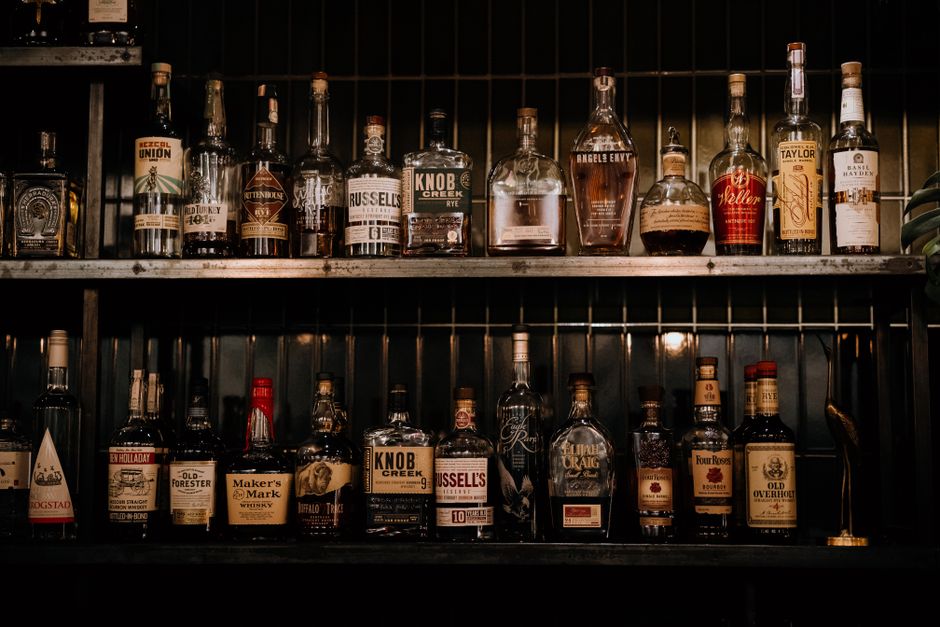
Spirits alcohol, also known as liquor, is a type of alcoholic beverage made by distilling fermented grains, fruits, or vegetables. The distillation process concentrates the alcohol content, typically resulting in a drink that is 40% to 95% alcohol by volume (ABV), far stronger than beer or wine. Common examples include vodka, gin, whiskey, rum, tequila, and brandy.
How Are Spirits Different From Beer and Wine?
The main difference is how they are made. Beer and wine are fermented. Spirits are distilled. Fermentation uses yeast to turn sugar into alcohol, but it stops at around 15-20% ABV because the yeast dies. Distillation heats the fermented liquid and collects the alcohol vapors, which are then condensed back into a liquid.
This process creates a much higher alcohol concentration. A typical beer is about 5% ABV. A glass of wine is about 12% ABV. A standard shot of spirit (1.5 ounces) is about 40% ABV. Because of this, spirits deliver more alcohol per ounce. A single shot of 80-proof whiskey contains roughly the same amount of pure alcohol as a 12-ounce beer.
The U.S. government defines spirits as any beverage with an ABV above 0.5% that is produced by distillation. This legal definition matters for labeling, taxes, and where you can buy it. Most states restrict spirits sales to licensed liquor stores, while beer and wine are often sold in grocery stores.
What Is Proof and How Does It Relate to Alcohol Content?
Proof is a number that tells you how much alcohol is in a spirit. In the United States, proof is exactly double the ABV. So an 80-proof whiskey is 40% alcohol. A 100-proof vodka is 50% alcohol. This system dates back to the 18th century when British sailors tested their rum by mixing it with gunpowder and lighting it. If it burned steadily, it was “proof” of sufficient alcohol content.
Today, proof is a regulatory standard. The Alcohol and Tobacco Tax and Trade Bureau (TTB) requires spirits labels to show both the proof and the ABV. Most spirits you buy at a liquor store are between 80 and 100 proof. Some high-proof whiskeys and rums go up to 120 proof or more.
Higher proof means more alcohol, but it also affects flavor. Higher-proof spirits often have a stronger burn and more intense flavors. Lower-proof spirits are smoother and easier to drink straight. The sweet spot for most cocktails is 80 to 100 proof. Over 100 proof, the alcohol can overpower other ingredients.
What Are the Main Types of Spirits?
There are six major categories of spirits, each with distinct production methods and flavor profiles. Vodka is neutral and clean, made from grains or potatoes. Gin is vodka infused with juniper berries and other botanicals. Whiskey is made from fermented grain mash and aged in wooden barrels. Rum comes from sugarcane or molasses. Tequila is made from the blue agave plant in Mexico. Brandy is distilled wine or fermented fruit juice.
Within each category, there are sub-types. Bourbon is a type of whiskey made in the U.S. with at least 51% corn. Scotch is whiskey made in Scotland and aged for at least three years. Reposado tequila is aged two months to one year. White rum is unaged, while dark rum is aged in charred barrels.
Flavored spirits are also common. These are base spirits with added flavors, such as citrus vodka or honey whiskey. The TTB requires that flavored spirits list the added ingredients on the label. Some countries have strict rules about what can be called a spirit. For example, in the European Union, “whisky” must be aged at least three years.





How Does the Body Process Spirits Compared to Other Alcohol?
Your body processes all alcohol the same way, regardless of the source. Alcohol is absorbed into the bloodstream through the stomach and small intestine. The liver then breaks it down at a rate of about one standard drink per hour. A standard drink of spirits is 1.5 ounces of 80-proof liquor. That is the same amount of pure alcohol as a 12-ounce beer or a 5-ounce glass of wine.
However, spirits hit your system faster. Because they are more concentrated, they enter the bloodstream more quickly, especially if you drink them straight or on an empty stomach. This rapid rise in blood alcohol concentration (BAC) can lead to faster intoxication and a higher peak BAC. Mixing spirits with carbonated drinks like soda can speed up absorption even more.
Research published in Alcoholism: Clinical and Experimental Research has found that the rate of alcohol absorption affects how drunk you feel, not just how much you drink. A person who downs two shots of vodka in five minutes will feel more impaired than someone who sips two beers over an hour, even though the total alcohol is the same. This is why pacing matters more with spirits.
Long-term effects are also similar across all alcohol types. The National Institute on Alcohol Abuse and Alcoholism (NIAAA) states that heavy drinking — defined as more than 4 drinks per day for men and 3 for women — increases risk for liver disease, heart problems, and certain cancers. The type of alcohol does not change these risks. What matters is total alcohol intake over time.
What Are the Common Misconceptions About Spirits?
A widespread myth is that drinking expensive spirits will make you less hungover. The truth is that hangover severity depends on total alcohol intake and congeners — natural byproducts of fermentation and aging. Darker spirits like whiskey and brandy have more congeners than clear ones like vodka and gin. Some studies suggest that drinks with fewer congeners cause less severe hangovers, but the effect is small compared to how much you drink.
Another myth is that mixing different types of alcohol makes you sicker. This is not supported by evidence. What makes you sick is drinking too much alcohol, regardless of the order or combination. The idea that “beer before liquor, never been sicker” is folklore. The NIAAA states that the total amount of alcohol consumed is the primary factor in intoxication and hangover severity.
Some people believe that spirits are “healthier” than beer because they have fewer calories per ounce. This is misleading. While a shot of vodka has about 97 calories and a beer has about 150, people often drink spirits in cocktails that add sugar, juice, or soda. A single margarita can have 300 calories or more. The health impact depends on the whole drink, not just the spirit.
A final misconception is that expensive spirits are always better quality. Price often reflects marketing, aging time, and brand reputation, not necessarily purity or taste. Many affordable spirits are perfectly fine for mixing. Blind taste tests regularly show that people cannot reliably distinguish between premium and mid-range spirits in cocktails.
How Are Spirits Regulated and Labeled?
In the United States, the TTB oversees spirits labeling and advertising. Every bottle must show the alcohol content, net contents, and the name and address of the producer or importer. Health warning labels are required, stating that alcohol consumption can cause health problems and should be avoided during pregnancy. Some states have additional labeling requirements for spirits sold within their borders.
Age verification is strict. You must be 21 to buy spirits in all 50 states. Retailers who sell to minors face fines and possible loss of their liquor license. Online sales of spirits also require age verification at delivery. The Federal Trade Commission (FTC) monitors advertising claims and has cracked down on companies that market spirits as healthy or medicinal.
International regulations vary. In the United Kingdom, spirits are taxed based on alcohol content. In Canada, each province sets its own rules for pricing and distribution. The European Union has protected geographical indications for spirits like Cognac, Scotch, and Tequila. These rules ensure that a product labeled “Scotch” was actually made in Scotland according to specific standards.
Frequently Asked Questions
What is the difference between spirits and liquor?
There is no difference. “Spirits” and “liquor” are interchangeable terms for distilled alcoholic beverages like vodka, whiskey, and gin.
Can spirits go bad over time?
Unopened spirits do not spoil, but they can lose flavor over decades as alcohol evaporates through the cork. Opened bottles oxidize slowly and may taste dull after a year or more.
How should I store spirits at home?
Store spirits upright in a cool, dark place away from direct sunlight and heat sources. Unlike wine, spirits do not improve with age once bottled.
Are spirits gluten-free?
Distilled spirits made from gluten grains like wheat or barley are generally considered gluten-free because the distillation process removes gluten proteins. However, some people with celiac disease still react to certain brands.
