
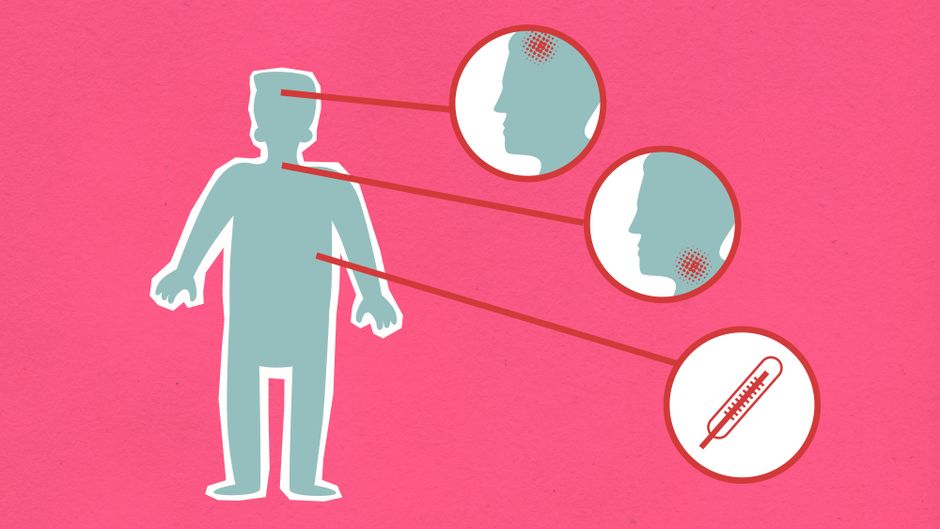
Missed period. That is usually the first sign, and for many people it is the only one they notice before taking a test. But pregnancy can announce itself in other ways before that — tender breasts, unusual fatigue, nausea, and a need to urinate more often are all common early signals. Some people feel several of these within days of conception; others feel nothing at all.
What follows is what the research and clinical guidance actually support about early pregnancy symptoms — including which ones are common, which are overstated, and why timing matters so much when you are trying to read your own body.
What Are Some Early Symptoms Of Pregnancy?
The most reliable early symptoms are the ones driven by rising levels of human chorionic gonadotropin (hCG) and progesterone. These hormones begin climbing shortly after a fertilized egg implants in the uterine lining, which typically happens about six to twelve days after ovulation.
The symptoms most consistently reported in clinical literature include:
- A missed menstrual period
- Breast tenderness, fullness, or a heaviness that feels different from premenstrual breast changes
- Fatigue that feels out of proportion to your normal routine
- Nausea, with or without vomiting
- Needing to urinate more frequently
- Mild cramping and light spotting (sometimes called implantation bleeding)
- Food aversions or a sudden dislike of smells you normally tolerate
Not everyone gets all of these. Some people get none. A 2019 analysis of pregnancy symptom data found that nausea and fatigue were among the most commonly reported early symptoms, but the range of individual experience was wide. The absence of symptoms does not mean a pregnancy is not progressing.
How Soon After Conception Can Symptoms Start?
Symptoms generally do not begin before implantation, because it is implantation that triggers hCG production. That puts the earliest possible window at roughly six to twelve days after ovulation, with most people noticing something in the days after a missed period.
This is where a lot of confusion lives. Many people track symptoms starting the day after unprotected sex and interpret every twinge as a sign. Biologically, that does not work. The fertilized egg has to travel down the fallopian tube, implant, and begin producing enough hCG to affect the body. That takes time.
Implantation bleeding, when it happens, tends to occur around the time of expected implantation — often a few days before a period would be due. It is usually light and pink or brown rather than the flow of a normal period. Some clinicians consider it a possible early sign; others note it is not reliably distinguishable from normal mid-cycle spotting. The evidence on how common it truly is remains limited.
Is a Missed Period Always the First Sign?
For most people, yes. A missed period is the most common reason someone takes a pregnancy test, and it remains the most dependable single indicator. But it is not universal.
People with irregular cycles may not notice a missed period in a meaningful way. People on hormonal birth control may have withdrawal bleeding that continues or stops in ways that are hard to interpret. And a small number of people experience symptoms like nausea or breast tenderness before their period is even due.
If your cycles are regular and you are sexually active, a period that is more than a few days late is a reasonable trigger to test. Home urine tests are generally reliable once a period is missed. Testing too early — before implantation has occurred — can produce a false negative because hCG levels may not yet be high enough to detect.



Which Symptoms Are Commonly Confused With Something Else?
Premenstrual syndrome (PMS) and early pregnancy share a lot of territory. Breast tenderness, fatigue, cramping, and mood changes can all show up in both. This overlap is why symptom-spotting alone is unreliable.
Some symptoms that get attributed to pregnancy are actually caused by other things:
- Nausea can come from stress, food poisoning, migraines, or medications.
- Fatigue is nonspecific and can reflect poor sleep, thyroid issues, anemia, or depression.
- Frequent urination can be caused by a urinary tract infection or by simply drinking more fluids.
- Spotting can occur with ovulation, hormonal shifts, or cervical irritation.
The point is not to dismiss your symptoms. It is to recognize that symptoms alone cannot confirm pregnancy. A test can. If you are unsure, testing or seeing a clinician is the only way to know.
Does the Timing of Symptoms Tell You Anything?
Not much beyond a general window. The sequence of symptoms varies widely from person to person, and there is no reliable pattern that predicts a healthy pregnancy based on which symptom appears first.
What clinicians do pay attention to is severity. Nausea and vomiting that becomes severe — to the point of dehydration, weight loss, or inability to keep fluids down — may indicate hyperemesis gravidarum, which requires medical care. That is not a normal variant of morning sickness; it is a condition that needs treatment.
Similarly, cramping with heavy bleeding is not a typical early pregnancy symptom and warrants prompt evaluation. Mild cramping and light spotting can be normal, but heavy bleeding or significant pain should be assessed by a clinician.
When Should You Take a Pregnancy Test?
The most accurate time is after a missed period. Home urine tests are designed to detect hCG, and levels rise quickly in early pregnancy. Testing on the first day of a missed period is generally reliable for most people, though testing a few days later increases accuracy further.
If you test early and get a negative result but still suspect pregnancy, wait a few days and test again. hCG roughly doubles every 48 to 72 hours in early pregnancy, so a test that was negative can become positive within a short window. If you continue to have symptoms and negative tests, or if your period remains absent, see a clinician. Blood tests can detect hCG earlier and more precisely than urine tests.
What About Symptoms That Are Not Commonly Discussed?
Some early pregnancy changes get less attention but are well documented. These include:
- Metallic taste or a strange taste in the mouth
- Increased salivation
- Nasal congestion without a cold, sometimes called pregnancy rhinitis
- Mild headaches related to hormonal shifts and changes in blood volume
- Mood changes that feel sharper than typical premenstrual mood shifts
- Dizziness from blood pressure and blood vessel changes
These are real and reported, but they are also nonspecific. They can occur for many reasons. They are worth noting but not worth building a diagnosis on.
Does Having No Symptoms Mean Anything Is Wrong?
No. Many healthy pregnancies produce few or no noticeable early symptoms. The absence of nausea, fatigue, or breast tenderness does not indicate a problem.
Symptom severity varies enormously between individuals and even between pregnancies in the same person. Some people feel everything; some feel nothing. Neither pattern reliably predicts outcome. If you are concerned about a lack of symptoms, a test and a clinician visit will tell you more than symptom tracking ever will.
What Should You Do If You Think You Might Be Pregnant?
Take a home pregnancy test after your missed period. If it is positive, schedule an appointment with a healthcare provider. Early prenatal care matters for monitoring and for addressing any questions about medications, nutrition, or underlying health conditions.
If the test is negative but you still have symptoms or your period does not come, follow up with a clinician. There are reasons beyond pregnancy for a missed period, including stress, significant weight change, thyroid conditions, and certain medications. A clinician can help sort out what is going on.
Frequently Asked Questions
How early can pregnancy symptoms start?
Symptoms cannot begin before implantation, which usually occurs six to twelve days after ovulation. Most people notice symptoms around the time of a missed period or shortly after.
Can you have pregnancy symptoms and a negative test?
Yes, if you test too early — before hCG levels are high enough to detect. Waiting a few days and testing again usually resolves this.
Is it normal to have no pregnancy symptoms at all?
Yes. Many healthy pregnancies produce few or no noticeable early symptoms, and the absence of symptoms does not indicate a problem.
What is implantation bleeding and is it a reliable sign?
Implantation bleeding is light spotting that can occur when a fertilized egg attaches to the uterine lining. It is not a reliable sign on its own because it is hard to distinguish from other types of spotting.
