
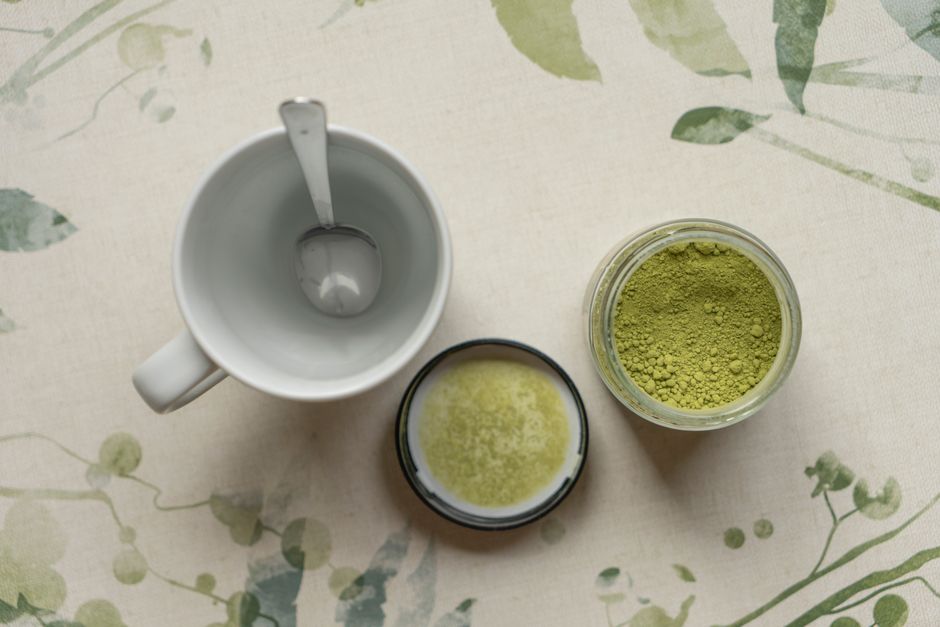
Matcha is not recommended during pregnancy in amounts that exceed the general caffeine limit for pregnancy, and it can contain lead. The caffeine is the more immediate concern. Matcha is made from whole ground tea leaves, so it delivers more caffeine per gram than steeped green tea, and it also delivers whatever the leaves absorbed from the soil. For most pregnant women, the practical answer is that a small occasional serving is unlikely to cause harm, but daily or large servings are not a good idea. If you are pregnant or trying to conceive, talk to your obstetric provider about your total caffeine intake from all sources before deciding what fits.
Is Matcha Safe During Pregnancy Caffeine Lead
Matcha is a concentrated form of green tea. Instead of steeping leaves and discarding them, you whisk the whole leaf powder into water and drink it. That single difference explains both concerns.
Caffeine content in matcha varies widely by product, harvest, and how much powder is used. A typical serving uses roughly one-half to one teaspoon of powder, which is about 1 to 2 grams. Caffeine estimates for that range commonly fall somewhere between 30 and 70 milligrams, but reported values vary and some products test higher. There is no standardized caffeine content for matcha, so label claims are often approximations.
Lead is a separate issue. Tea plants take up lead and other metals from soil, and because matcha is the whole ground leaf, you consume the portion that would normally be thrown away with the spent leaves. Testing by consumer organizations has found measurable lead in some matcha and green tea products. The amounts found have generally been low, but the data are limited and vary by brand and origin.
So the honest summary is this: matcha is not a special pregnancy superfood, and it is not a known poison at normal serving sizes. It is a caffeine source with a possible low-level metal exposure, and both matter more during pregnancy than at other times.
How Much Caffeine Is in Matcha Compared With Other Drinks?
Matcha generally contains more caffeine per gram than steeped green tea, but less than a standard cup of coffee. The table below gives commonly cited ranges. Treat these as approximate, because actual values depend heavily on the specific product and preparation.
| Drink | Typical caffeine (approximate) |
|---|---|
| Matcha, 1 tsp powder (about 2 g) | Roughly 30–70 mg |
| Steeped green tea, 8 oz | Roughly 25–40 mg |
| Brewed coffee, 8 oz | Roughly 95–100 mg |
| Espresso, 1 shot | Roughly 60–65 mg |
One clarification that surprises people: matcha caffeine does not hit differently in a way that makes it “safer” than coffee caffeine. The leaves do contain L-theanine, an amino acid that appears to soften the jittery feeling some people get from coffee. That may change how the caffeine feels, but it does not reduce the total amount of caffeine your body absorbs. For pregnancy purposes, the milligram count is what matters.
Also worth knowing: matcha is not the only hidden caffeine source. Chocolate, some sodas, energy drinks, certain teas, and some over-the-counter medications all add up. If you are tracking caffeine, track all of it.
What Is the Recommended Caffeine Limit During Pregnancy?
Major health organizations generally advise limiting caffeine during pregnancy to about 200 milligrams per day. That figure is widely cited by obstetric and public health bodies and is the number most clinicians use in practice.
To put that in context, one 8-ounce cup of brewed coffee is close to half the daily limit. A single matcha serving is usually well under it. The problem is rarely one drink. It is the accumulation across a day.
Some important context on where that 200 mg number comes from. It is a precautionary threshold, not a line above which harm is proven to occur. Research on caffeine and pregnancy outcomes has produced mixed results, and observational studies are difficult to interpret because people who drink more caffeine often differ in other ways too. The general direction of the evidence supports moderation rather than a hard cutoff. That is why the guidance is framed as a limit rather than a ban.
If you are pregnant, the safest approach is to add up every source of caffeine in your day and keep the total under the limit your provider recommends. Matcha counts toward that total like anything else.



Does Matcha Contain Lead, and Should That Worry You?
Matcha can contain lead, because tea plants absorb metals from soil and the whole leaf is consumed. This is not unique to matcha. It applies to any product made from whole ground plant material.
What is less clear is how much this matters in practice. Consumer testing has found lead in some matcha products, but reported levels have generally been low, and the testing has not been broad enough to draw firm conclusions about all brands. There is no established safe threshold specific to matcha in pregnancy, because the research simply has not been done at that level of detail.
A few things are worth understanding about lead exposure in general:
- Lead exposure is cumulative. Small amounts from many sources add up over time.
- Pregnancy is a period of heightened concern because lead can cross the placenta and affect fetal development.
- There is no known safe blood lead level, which is why public health guidance focuses on minimizing exposure from all sources.
- Food and water are common exposure routes, not just tea.
The practical takeaway is not that matcha is dangerous. It is that matcha is one small potential source among many, and the evidence on matcha specifically is limited. If you are concerned about lead exposure during pregnancy, that is a conversation to have with your provider, who can look at your overall diet and environment.
Does Matcha Have Any Benefits During Pregnancy?
Matcha contains antioxidants, vitamins, and minerals, and it is often marketed on that basis. The marketing tends to outrun the evidence.
Matcha does contain catechins, a class of antioxidants, and small amounts of vitamins and minerals. That part is real. What is not established is whether drinking matcha during pregnancy produces any specific health benefit for the mother or the baby. No clinical trials have confirmed that matcha improves pregnancy outcomes, and no guidelines recommend it for that purpose.
There is also a nuance worth flagging. Catechins are not automatically beneficial in high amounts. Very high intakes of green tea extract supplements have been linked to liver concerns in some people, which is a different situation from drinking brewed matcha but is worth knowing if you are considering concentrated supplements. Green tea extract supplements are not the same as a cup of matcha, and they are generally not recommended during pregnancy.
If you enjoy matcha and want to keep drinking it in small amounts, that is a reasonable personal choice to discuss with your provider. If you are drinking it because you believe it will benefit your pregnancy, the evidence does not support that expectation.
What Are the Safer Alternatives During Pregnancy?
If you want a warm drink without caffeine or with very little, several options exist. Herbal teas are popular, but not all herbal teas are considered safe in pregnancy, so that category needs its own check.
Options that are generally considered low-risk during pregnancy include:
- Rooibos tea, which is caffeine-free and generally regarded as safe in moderation
- Ginger tea, often used for nausea, though it is worth confirming amounts with your provider
- Peppermint tea, generally considered safe in normal food amounts
- Plain warm water with lemon
- Decaffeinated black or green tea, though decaffeination does not remove all caffeine
Herbal teas to approach with caution include those containing licorice root, which has been associated with concerns in pregnancy, and any blend marketed for “detox” or weight loss. Those products are not regulated the same way as food, and their contents are not always what the label says.
If you are looking to replace matcha specifically, decaffeinated green tea is the closest match in flavor. Just remember that “decaf” means reduced, not zero.
The Bottom Line on Matcha and Pregnancy
Matcha is a concentrated caffeine source with a possible low-level lead exposure, and both matter more during pregnancy than at other times. The caffeine concern is the better understood of the two. The lead concern is real but the matcha-specific data are limited.
A small, occasional serving is unlikely to be harmful for most pregnant women, provided total daily caffeine stays within the limit your provider recommends. Daily or large servings are harder to justify. There is no evidence that matcha provides any pregnancy-specific benefit, so there is no strong reason to seek it out either.
If you are pregnant, breastfeeding, or trying to conceive, this is a decision to make with your obstetric provider, who knows your health history and can account for caffeine from all sources. No article, including this one, can replace that conversation.
Frequently Asked Questions
Is matcha safe to drink while pregnant?
A small occasional serving is unlikely to cause harm for most pregnant women, as long as total daily caffeine stays within the limit your provider recommends. Daily or large servings are harder to justify because matcha is a concentrated caffeine source.
How much caffeine is in a cup of matcha?
A typical serving using about 1 to 2 grams of powder commonly contains roughly 30 to 70 milligrams of caffeine, though values vary widely by product. There is no standardized caffeine content for matcha.
Does matcha contain lead?
Matcha can contain lead because tea plants absorb metals from soil and the whole ground leaf is consumed. Consumer testing has found measurable lead in some products, but the matcha-specific data are limited.
Can I drink matcha instead of coffee during pregnancy?
Matcha usually has less caffeine than an 8-ounce cup of brewed coffee, so it can be a lower-caffeine option if it fits within your daily total. The L-theanine in matcha may change how the caffeine feels, but it does not reduce the amount you absorb.
