
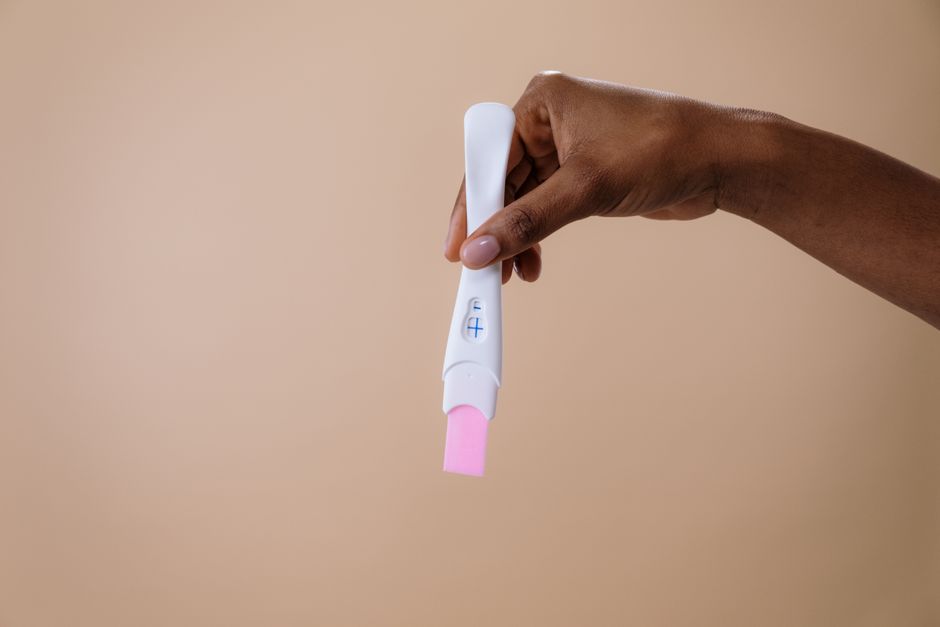
Early pregnancy signs can start before you even miss a period, but they vary widely from person to person. The most reliable early indicators are a missed period, breast tenderness, fatigue, and nausea. However, no single symptom guarantees pregnancy, and the only way to confirm it is with a positive pregnancy test.
When Do Early Pregnancy Symptoms Start?
Symptoms typically begin around the time of implantation, which happens about 6 to 12 days after conception. That is often a few days before your expected period. Some women notice changes almost immediately. Others feel nothing for weeks.
Hormone levels are the driving force. After a fertilized egg implants in the uterus, your body starts producing human chorionic gonadotropin (hCG). This hormone rises quickly in early pregnancy and is responsible for many of the symptoms you feel. It is also the hormone that pregnancy tests detect.
Keep in mind that pregnancy is dated from the first day of your last menstrual period. So when you are “4 weeks pregnant,” conception actually happened about two weeks earlier. This timeline matters when you are tracking symptoms.
What Are Signs Of Early Pregnancy?
The most commonly reported early signs include a missed period, tender or swollen breasts, fatigue, nausea, and frequent urination. Some women also notice light spotting, cramping, or food aversions. These symptoms can appear as early as one week before your missed period.
Breast changes are often the first clue. Rising estrogen and progesterone levels cause breast tissue to swell and become tender. The areolas — the darker area around the nipple — may also darken and enlarge. This can happen within one to two weeks after conception.
Fatigue is another very common early sign. High progesterone levels can make you feel unusually tired, even in the first week after conception. This exhaustion often eases somewhat in the second trimester but can return later.
Nausea, sometimes called morning sickness, typically starts around week 6 of pregnancy. Despite the name, it can happen at any time of day. Not every pregnant woman experiences it, and the severity varies significantly.
What Does Implantation Bleeding Look Like?
Implantation bleeding is light spotting that occurs when the fertilized egg attaches to the uterine lining. It usually happens 6 to 12 days after conception, which is around the time you would expect your period.
The bleeding is typically very light — often just a few drops of pink or brown blood. It usually lasts only a few hours to a couple of days. This is distinctly different from a menstrual period, which is heavier and lasts longer.
Not every woman experiences implantation bleeding. Studies suggest it occurs in only about 25% of pregnancies. If you have bleeding that is heavy, bright red, or accompanied by severe pain, contact your healthcare provider.
It is also important to understand that light bleeding can happen for other reasons. Some women spot around the time their period would have been due even when not pregnant. Cervical irritation from a pelvic exam or intercourse can also cause light spotting.



How Early Can You Take A Pregnancy Test?
Most home pregnancy tests can detect hCG in urine about 12 to 14 days after conception. That is usually the first day of a missed period. Some highly sensitive tests claim to work earlier, but accuracy improves significantly if you wait.
Testing too early often produces a false negative. If your hCG levels are still too low to detect, the test will show negative even if you are pregnant. If you test early and get a negative result, wait three to five days and test again.
For the most accurate result, test first thing in the morning. Your urine is most concentrated then, meaning hCG levels are easier to detect. Avoid drinking large amounts of fluid before testing because it dilutes your urine.
Blood tests done at a doctor’s office can detect pregnancy earlier — about 6 to 8 days after ovulation. However, these are not routinely needed. A home test followed by confirmation from your healthcare provider is standard practice.
What Other Symptoms Might You Notice?
Frequent urination often begins around week 6 of pregnancy. Your blood volume increases during pregnancy, and your kidneys process more fluid. This means your bladder fills more quickly. The growing uterus also presses on your bladder as pregnancy progresses.
Food aversions and cravings are common but poorly understood. Many women develop a strong dislike for certain smells or tastes, particularly coffee, meat, or spicy foods. These changes are linked to rising estrogen levels, which heighten your sense of smell.
Mild cramping can occur in early pregnancy. As the uterus begins to stretch and grow, you may feel light pulling or cramping similar to period pain. This is usually harmless, but severe or one-sided pain warrants medical attention.
Mood swings are also common. Rapidly changing hormone levels can affect brain chemicals that regulate mood. You may feel emotional, irritable, or tearful without a clear reason.
Some women notice a metallic taste in their mouth, constipation, or a slight increase in basal body temperature that remains elevated. These symptoms are less well documented but are frequently reported in early pregnancy forums and clinical observations.
Can You Have Pregnancy Symptoms And Not Be Pregnant?
Yes. Many early pregnancy symptoms are caused by progesterone, which also rises during the normal menstrual cycle after ovulation. This is called the luteal phase. Breast tenderness, fatigue, and mild cramping can all occur in the days before a period for reasons unrelated to pregnancy.
This overlap makes it difficult to rely on symptoms alone. A woman who is not pregnant can experience every classic early pregnancy sign. Conversely, a woman who is pregnant may have no symptoms at all in the first weeks.
Certain medical conditions can also mimic pregnancy symptoms. Ovarian cysts, thyroid disorders, and perimenopause can cause breast changes, fatigue, and irregular bleeding. Stress can delay your period and cause physical symptoms that feel like pregnancy.
The only reliable way to know if you are pregnant is a pregnancy test. If your symptoms persist and your test is negative, consider seeing your healthcare provider to explore other causes.
When Should You See A Doctor?
If you get a positive home pregnancy test, schedule an appointment with your healthcare provider. They can confirm the pregnancy with a blood test or ultrasound and discuss prenatal care. Most providers will see you between 8 and 10 weeks of pregnancy for your first visit.
Seek medical attention sooner if you experience heavy bleeding, severe abdominal or shoulder pain, dizziness, or fainting. These can be signs of an ectopic pregnancy — a condition where the fertilized egg implants outside the uterus. Ectopic pregnancy is a medical emergency.
If you are not trying to conceive and are worried about an unplanned pregnancy, contact a healthcare provider promptly. They can discuss your options and provide accurate information about next steps. Early prenatal care is important regardless of your pregnancy plans.
What If You Have No Symptoms?
Having no early pregnancy symptoms does not mean something is wrong. Many healthy pregnancies begin with absolutely no noticeable changes. Some women only realize they are pregnant when they miss a period or even later.
Symptoms also come and go. You may feel nauseous one day and completely fine the next. This fluctuation is normal because hormone levels rise and fall throughout the day. It does not indicate a problem with the pregnancy.
If you are pregnant and worried about the absence of symptoms, talk to your healthcare provider. They can perform an ultrasound to confirm the pregnancy is progressing normally. Reassurance from a medical professional is far more valuable than symptom tracking.
Frequently Asked Questions
Can you feel pregnancy symptoms before a missed period?
Yes, some women notice symptoms like breast tenderness, fatigue, and mild cramping before their period is due. These symptoms can start as early as 6 to 12 days after conception.
How soon after conception do pregnancy symptoms start?
Symptoms can begin around the time of implantation, which is 6 to 12 days after conception. Most women notice the first signs about one to two weeks after conception.
Is nausea a reliable early pregnancy sign?
Nausea is common but not reliable on its own. Only about 50 to 70 percent of pregnant women experience nausea, and it typically starts around week 6 of pregnancy.
Can stress cause pregnancy-like symptoms?
Yes, stress can delay your period and cause fatigue, breast tenderness, and digestive changes. These symptoms overlap significantly with early pregnancy, making it hard to distinguish without a test.
