
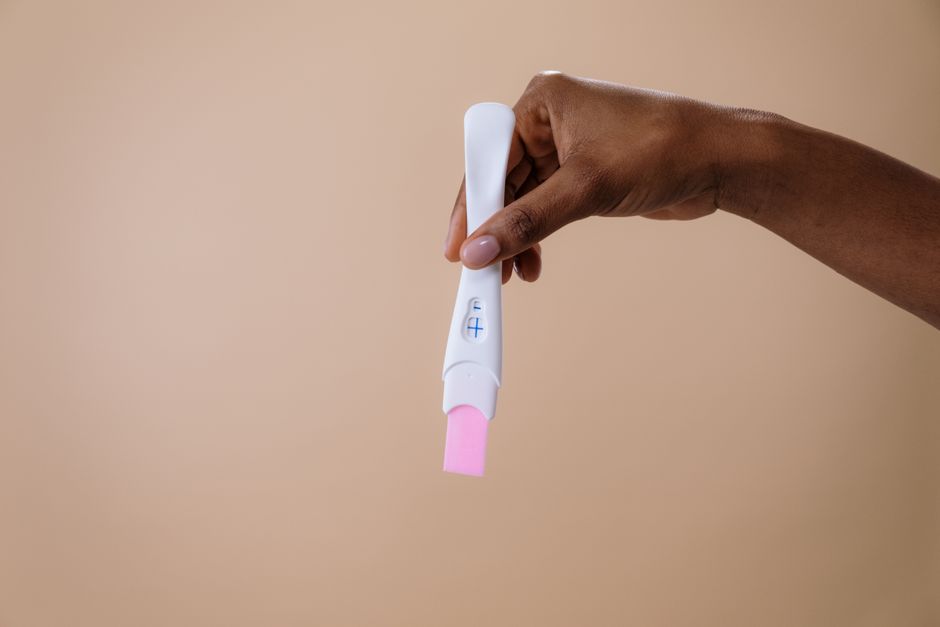
If you are pregnant, your body usually starts sending signals before a test can even confirm it. The most common early signs are a missed period, tender or swollen breasts, nausea (with or without vomiting), fatigue, and needing to urinate more often. Some people also notice mild cramping, bloating, or a heightened sense of smell.
These symptoms come from rapid hormonal shifts, mainly rising levels of human chorionic gonadotropin (hCG), progesterone, and estrogen. What makes early pregnancy tricky is that many of these same signs overlap with premenstrual syndrome (PMS). The difference is often timing and persistence: pregnancy symptoms tend to stick around and build, while PMS symptoms usually ease once bleeding starts.
What Are The Most Early Signs Of Pregnancy?
The earliest sign for most people is a missed period. In a regular cycle, that is typically the first concrete clue, appearing around the time a home pregnancy test can turn positive. A typical menstrual cycle runs about 21 to 35 days, and ovulation usually happens mid-cycle. If you track your cycle and it is late by even a few days, that is worth noting.
Other signs that often show up in the first few weeks include:
- Breast changes. Breasts may feel fuller, heavier, or sore. The nipples and the area around them (the areola) can darken and enlarge.
- Nausea. Often called morning sickness, but it can strike at any time of day or night.
- Fatigue. A deep tiredness that is not explained by your usual activity or sleep.
- Frequent urination. Especially noticeable if you are waking up at night to go.
- Mild cramping and spotting. Some people notice light spotting when the fertilized egg attaches to the uterine lining, a process called implantation.
- Food aversions or cravings. Coffee, certain smells, or foods you normally like may suddenly turn your stomach.
- Mood swings. Hormonal shifts can affect emotions, similar to PMS but sometimes stronger.
No single symptom confirms pregnancy on its own. The only way to know for sure is a pregnancy test, which detects hCG in urine or blood.
How Soon Do Pregnancy Symptoms Start?
Most people who notice symptoms start feeling them somewhere between week 4 and week 6 of pregnancy. That is roughly two to four weeks after conception. Pregnancy is dated from the first day of your last menstrual period, not from conception, which is why the timeline can feel confusing.
Here is how the early weeks break down. Ovulation and fertilization typically occur around week 2 of the pregnancy calendar. Implantation — when the fertilized egg burrows into the uterine lining — usually happens about 6 to 12 days after ovulation. It is around this point that the body begins producing hCG, the hormone that pregnancy tests detect.
Some people feel nothing at all in the first few weeks. That is normal too. Symptom timing and intensity vary widely from person to person and from one pregnancy to the next.
Why Do Early Pregnancy Symptoms Happen?
Almost every early symptom traces back to hormones. After implantation, the developing placenta produces hCG. Levels of this hormone rise quickly in early pregnancy, and it is what home tests measure.
Progesterone rises alongside it. This hormone relaxes smooth muscle throughout the body, which slows digestion and can cause bloating, constipation, and that queasy feeling. It also affects the muscles in the bladder and ureters, contributing to more frequent urination.
Estrogen climbs as well, supporting the uterine lining and breast tissue. The combined effect of these hormones is what drives breast tenderness, fatigue, and nausea. Fatigue in particular is thought to result from the enormous metabolic demand of building a placenta and supporting a growing embryo, compounded by rising progesterone, which has a mild sedating effect.
One detail people often miss: the sense of smell can sharpen noticeably in early pregnancy. Some researchers think this is an evolutionary protective mechanism to help pregnant people avoid spoiled or potentially harmful food. The evidence for that explanation is not settled, but the symptom itself is commonly reported.


How Can You Tell Pregnancy Symptoms From PMS?
This is one of the hardest distinctions to make, because the overlap is real. Both pregnancy and PMS can cause breast tenderness, cramping, bloating, fatigue, and mood changes. The hormones behind them are related, so the symptoms look similar.
A few differences tend to hold up:
- Timing. PMS symptoms typically appear one to two weeks before your period and resolve once bleeding begins. Pregnancy symptoms usually continue and may intensify.
- Duration. If symptoms linger well past when your period was due, pregnancy becomes more likely.
- Nausea. Mild queasiness can happen with PMS, but notable nausea — especially with vomiting — is more characteristic of pregnancy.
- Spotting. Light implantation spotting can be mistaken for the start of a period, but it is usually lighter and shorter.
If you are unsure, wait a few days and take a home pregnancy test. Testing too early can produce a false negative because hCG may not yet be high enough to detect.
When Should You Take a Pregnancy Test?
The most reliable time is the first day of a missed period. By that point, hCG levels are usually high enough for a standard home urine test to detect. Some sensitive tests claim to work a few days earlier, but testing early raises the chance of a false negative.
If you test before your missed period and get a negative result, wait a few days and test again. Use first-morning urine when possible, since hCG is more concentrated after overnight fluid restriction. If your period remains absent and tests stay negative, see a healthcare provider. They can check with a blood test, which detects lower levels of hCG than urine tests.
A blood test can pick up hCG earlier than a urine test. It can also measure the exact level, which providers sometimes track over 48-hour intervals to see whether it is rising as expected in early pregnancy.
Which Early Signs Warrant a Call to Your Provider?
Many early symptoms are uncomfortable but not dangerous. However, some signs need medical attention right away.
- Heavy bleeding — more than light spotting — or bleeding with cramping.
- Severe or one-sided abdominal pain.
- Shoulder pain combined with abdominal pain, which can signal a problem.
- Dizziness or fainting.
- Nausea and vomiting so severe that you cannot keep fluids down.
These can be signs of an ectopic pregnancy, where the fertilized egg implants outside the uterus, most often in a fallopian tube. Ectopic pregnancy is a medical emergency and cannot be treated with expectant management. It requires prompt care. If you have any of these symptoms, contact a provider or go to an emergency department.
For typical nausea, some clinicians suggest eating small frequent meals, avoiding strong smells, and staying hydrated. Ginger has some evidence for reducing nausea in pregnancy, though results vary. If nausea is interfering with your ability to eat or drink, that is worth a call to your provider rather than something to push through.
What If You Have No Symptoms at All?
Having no early symptoms does not mean something is wrong. Plenty of healthy pregnancies produce few or no noticeable signs in the first weeks. Symptom severity is not a reliable measure of how a pregnancy is progressing.
Some people who have had strong symptoms in one pregnancy have almost none in the next. Hormone levels vary, and individual sensitivity to those hormones varies too.
If you suspect you are pregnant, the test is the answer, not the symptoms. A positive result should be followed up with a healthcare provider to confirm the pregnancy, establish dating, and begin prenatal care.
Frequently Asked Questions
What is usually the very first sign of pregnancy?
A missed period is the earliest sign most people notice. Some also have light spotting or cramping around implantation, which happens before a missed period.
Can you have pregnancy symptoms before a missed period?
Yes, some people notice breast tenderness, fatigue, or mild cramping in the days before their period is due. These symptoms overlap heavily with PMS, so they are not reliable on their own.
How soon can a home pregnancy test detect pregnancy?
Most home tests are reliable on the first day of a missed period. Testing earlier can give a false negative because hCG levels may still be too low to detect.
Is it normal to have no early pregnancy symptoms?
Yes, having few or no symptoms in early pregnancy is common and does not indicate a problem. Symptom intensity varies widely and is not a reliable sign of how a pregnancy is progressing.
