
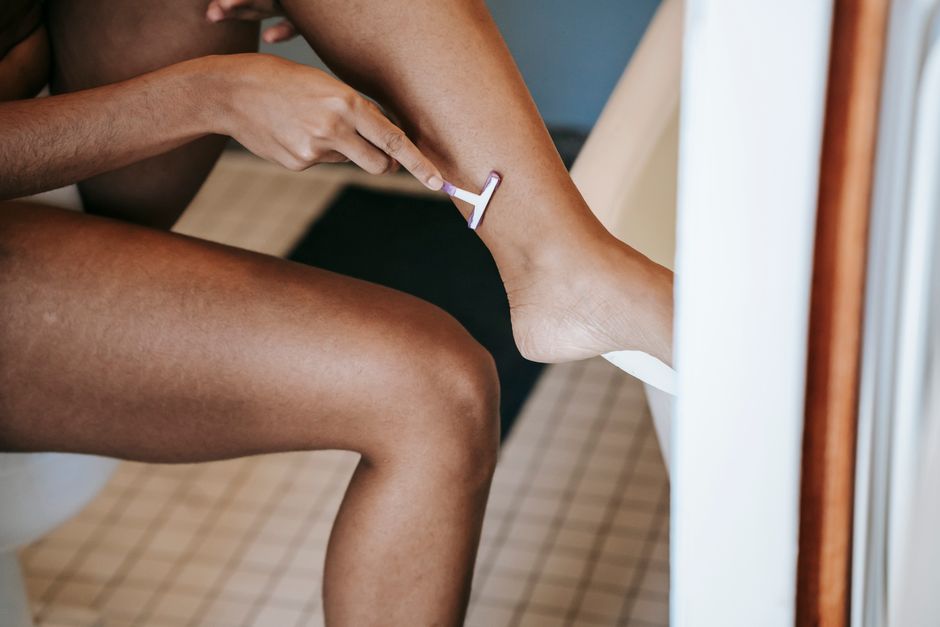
Razor bumps are small, inflamed bumps that appear on the skin after shaving, and they happen most often in areas with coarse, curly hair like the beard, neck, armpits, and bikini line. The medical name is pseudofolliculitis barbae. They form when a sharpened hair curls back and re-enters the skin, or when a hair is cut so short that its growing tip pushes sideways into the follicle wall. The body treats that hair like a splinter and mounts a small inflammatory response. There is no single overnight fix, but the condition is manageable — and for many people it can be prevented almost entirely by changing how they shave.
What Are Razor Bumps And How Do You Treat Them?
Razor bumps are an inflammatory skin reaction to hair that grows back into the skin instead of out of it. They are not an infection, though they can become infected if scratched or picked. Treatment starts with stopping the irritation — usually by changing your shaving method or letting the hair grow out — and then calming the inflammation that is already there.
The mechanism matters because it explains why some fixes work and others do not. When you shave, a blade cuts a hair at an angle and leaves a sharp, pointed tip. That tip can retract below the skin surface. As the hair grows, the tip curves and pierces the follicle wall or the skin next to it. The immune system responds with redness, swelling, and sometimes a small pus-filled head. This is why razor bumps look a lot like acne but are not acne.
The condition is more common in people with tightly curled or coiled hair, because a curved hair is far more likely to bend back into the skin. It is also more common in Black men, particularly those who shave closely against the grain. That is a well-documented pattern, not a matter of opinion.
How Do Razor Bumps Differ From Razor Burn And Ingrown Hairs?
These three get lumped together, but they are different problems with different causes. Razor burn is a surface irritation — a red, stinging rash caused by friction, a dull blade, or shaving without enough lubrication. It usually shows up right away and fades within hours to a couple of days.
An ingrown hair is a hair that has curled back into the skin. A single ingrown hair can look like a small red bump with a visible dark line or loop of hair under the surface.
Razor bumps are the broader inflammatory condition that develops when this happens repeatedly, especially in curly-haired people. They tend to be multiple, clustered, and persistent rather than a one-off bump. Over time, repeated episodes can cause darkening of the skin (post-inflammatory hyperpigmentation) and, in some cases, raised scars called keloids.
If you have a single tender bump, it is probably an ingrown hair. If you have a cluster of bumps that keeps coming back every time you shave, that is closer to true pseudofolliculitis.
What Causes Razor Bumps To Form?
Two things have to happen. First, the hair has to be cut in a way that leaves a sharp edge. Second, that edge has to grow back into the skin. Both are strongly influenced by hair texture and shaving technique.
The main contributors:
- Hair texture. Tightly curled hair bends back on itself more easily.
- Close shaving. Shaving against the grain or pulling the skin taut cuts hair below the surface, so the tip starts out already under the skin.
- Dull or multi-blade razors. A dull blade tugs and cuts unevenly. Multi-blade razors can cut hair so short that it retracts below the surface.
- Dry shaving. No lubrication means more friction and more trauma to the follicle.
- Shaving frequency. Shaving the same area every day does not give the skin time to settle.
Hormones play a role too, since androgens drive beard and body hair growth. That is one reason razor bumps often start around puberty and can flare with hormonal shifts.





How Do You Treat Razor Bumps That Are Already There?
Once bumps have formed, the goal is to reduce inflammation and stop the cycle. The single most effective step is to stop irritating the area. For many people, that means not shaving for a few weeks and letting the hair grow past the point where it can re-enter the skin.
Beyond that, general measures that are widely used and low-risk include:
- Warm compresses to help soften the skin and ease tenderness.
- Not squeezing, picking, or scratching the bumps — this is the main way they become infected.
- Gentle exfoliation once the skin has calmed, though this helps some people and irritates others.
- Fragrance-free moisturizer to support the skin barrier.
Some clinicians recommend topical treatments such as benzoyl peroxide, salicylic acid, or retinoids, and these are used in practice. The evidence for each is not equally strong, and retinoids in particular can cause irritation and sun sensitivity, so they are usually used under medical guidance rather than self-prescribed. If the bumps are widespread, painful, or infected, a doctor may prescribe a topical antibiotic or, in some cases, other medications. That is a clinical decision, not something to guess at.
One clarification worth knowing: razor bumps are not a hygiene problem. Shaving more often or scrubbing harder usually makes them worse, not better.
How Do You Prevent Razor Bumps When You Shave?
Prevention is where most people get the best results, because it addresses the cause rather than the symptom. The core principle is to leave the hair long enough that it does not retract below the skin surface.
Techniques that help:
- Shave with the grain, not against it. This is the most important single change for most people.
- Do not pull the skin taut. Stretching the skin lifts the hair, so it gets cut shorter than it would otherwise.
- Use a single-blade or safety razor. Fewer blades mean less chance of cutting below the surface.
- Soften the hair first. Shave after a warm shower or apply a warm, wet cloth for a few minutes.
- Use a lubricating shave gel or cream. Never shave dry.
- Replace blades regularly. A dull blade tugs and cuts unevenly.
- Shave less often. Give the skin rest days between shaves.
- Rinse with cool water and moisturize afterward. Cool water helps calm the skin.
For people who get bumps badly, an electric clipper that leaves a short stubble — rather than a razor that cuts to the skin — is often the most reliable solution. It does not produce the sharp, retracting tip that causes the problem in the first place. Some people also find that chemical depilatories or professional laser hair reduction work better than shaving for their situation, though these have their own considerations and laser treatment is not appropriate for everyone.
When Should You See A Doctor About Razor Bumps?
Most razor bumps improve with better shaving habits and time. See a doctor if the bumps are spreading, are very painful, or show signs of infection such as increasing redness, warmth, swelling, or pus.
You should also seek medical care if you have darkening of the skin that is not fading, raised scars forming, or bumps that keep returning despite changes to your shaving routine. A doctor can confirm the diagnosis and rule out other conditions that look similar, including bacterial folliculitis and a skin infection called tinea barbae, which is a fungal infection of the beard area. These require different treatment, so getting the diagnosis right matters.
If you have tried the prevention steps consistently for several weeks and are not seeing improvement, that is a reasonable point to bring it up with a clinician.
Frequently Asked Questions
Are razor bumps the same as ingrown hairs?
They are related but not identical. An ingrown hair is a single hair that has curled back into the skin, while razor bumps describe the recurring inflammatory condition that develops when this happens repeatedly.
How long do razor bumps take to go away?
Mild bumps often settle within a few days to a couple of weeks once you stop irritating the area. Persistent or recurring bumps can take longer and may need medical treatment.
Does shaving against the grain cause razor bumps?
Shaving against the grain is one of the main causes because it cuts hair below the skin surface, so the growing tip starts out already under the skin. Shaving with the grain reduces this risk significantly.
Can razor bumps become infected?
Yes, they can become infected if you scratch or pick at them, which lets bacteria into the irritated follicle. Signs of infection include increasing redness, warmth, swelling, or pus, and these warrant a doctor’s visit.
