

Peptides for weight loss are short chains of amino acids that some researchers believe can help the body burn fat, build muscle, or control appetite. Current research suggests these compounds work by mimicking natural hormones that regulate metabolism and hunger signals. While some studies show promising results for certain peptides, the science is still early and many claims go beyond what evidence supports.
How Do Peptides for Weight Loss Work in the Body?
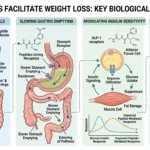
Peptides act as signaling molecules. They tell your cells to do specific things. For weight loss, the most studied peptides target hormones that control appetite, blood sugar, or fat burning.
Some peptides mimic GLP-1, a hormone that slows stomach emptying and makes you feel full longer. Others target growth hormone release, which can influence how your body uses fat for energy. A few work on melanocortin receptors in the brain that regulate food intake.
These mechanisms are real. The question is whether injecting or taking peptide supplements actually produces meaningful weight loss for most people. The answer depends heavily on which peptide you are talking about.
Does Peptides for Weight Loss Actually Work?
Some peptides do work for weight loss, but the results vary widely. The strongest evidence supports peptides that mimic GLP-1, like semaglutide. These are FDA-approved for weight management under brand names like Wegovy. Clinical trials show average weight loss of 12-15% of body weight over 68 weeks.
Other peptides have much weaker evidence. AOD9604, for example, is a fragment of human growth hormone. Some small studies suggest it may help reduce body fat, but larger trials are missing. The FDA has not approved it for weight loss.
Many peptides sold online as “fat burners” have no human studies at all. Some have only animal research. A few have been tested in small human trials with modest results that have not been replicated.
What Does the Research on Peptides for Weight Loss Show?
Let’s look at the most studied peptides individually. This table summarizes what we know from published research as of 2026.
| Peptide | Mechanism | Evidence Level | Average Weight Loss |
|---|---|---|---|
| Semaglutide | GLP-1 receptor agonist | Strong – multiple large RCTs | 12-15% body weight |
| Tirzepatide | GIP and GLP-1 receptor agonist | Strong – phase 3 trials | 15-22% body weight |
| AOD9604 | HGH fragment, lipolysis | Weak – small human studies | Unclear |
| MOTS-c | Mitochondrial peptide | Preliminary – animal only | No human data |
| Tesamorelin | GHRH analog | Moderate – some human trials | 1-3% body fat reduction |
The takeaway is clear. Only two peptides have strong evidence for weight loss: semaglutide and tirzepatide. Everything else ranges from unproven to outright speculative. Many companies sell peptides as supplements, but supplements are not regulated like drugs. What is in the bottle may not match the label.



What Are the Side Effects of Peptides for Weight Loss?
Side effects depend on the peptide. For GLP-1 drugs like semaglutide, nausea is the most common complaint. About 40% of users report it, though it often improves over time. Vomiting, diarrhea, and constipation also occur. More serious risks include pancreatitis, gallbladder disease, and a possible increased risk of thyroid tumors.
For less studied peptides, side effects are poorly documented. This is a major concern. When a substance has not gone through rigorous safety testing, you do not know what might happen with long-term use. Some unregulated peptides have been linked to injection site infections, allergic reactions, and hormonal imbalances.
One non-obvious risk: peptides purchased online may contain contaminants. A 2023 study tested 20 peptide products bought from internet vendors. Only 3 contained the stated peptide at the claimed purity. The rest had fillers, wrong peptides, or nothing active at all.
How Are Peptides for Weight Loss Taken?
Most peptides are given by injection. Oral peptides generally do not survive digestion well, though some companies claim to have solved this. Subcutaneous injections under the skin are the standard route for GLP-1 drugs. Some peptides are given intravenously in clinical settings.
Dosing schedules vary. Semaglutide is injected once weekly. Tesamorelin requires daily injections. AOD9604 is sometimes given once or twice daily. The frequency matters because it affects whether people stick with the treatment.
If you are considering peptides, understand that self-injecting unregulated substances carries real risks. Sterile technique matters. Proper storage matters. And without a prescription, you have no guarantee of what you are injecting.
What to Avoid When Considering Peptides for Weight Loss
Avoid buying peptides from unregulated online sources. The FDA has issued warnings about multiple companies selling fake or contaminated peptide products. If a website does not require a prescription, that is a red flag.
Avoid peptides promoted with extreme claims. “Lose 30 pounds in a month” or “Melt belly fat without dieting” are not backed by science. Real weight loss from even the most effective peptides is gradual and requires lifestyle changes.
Avoid stacking multiple peptides at once. Some online forums recommend combining several peptides for better results. There is no research on safety or effectiveness of these combinations. You could be mixing substances that interact in unpredictable ways.
Here are some practical steps if you are considering peptides:
- Talk to a doctor who understands peptide therapy
- Ask if an FDA-approved option fits your situation
- Do not trust company websites for safety information
- Look for peer-reviewed studies, not testimonials
- Be wary of peptides sold as “research chemicals”
Frequently Asked Questions About Peptides for Weight Loss
Can peptides help you lose weight without exercise?
No. Even the most effective peptides like semaglutide produce better results when combined with diet and exercise. Peptides are tools, not replacements for healthy habits.
Are peptide injections safe for weight loss?
FDA-approved peptides like semaglutide have established safety profiles with known side effects. Unregulated peptides have unknown safety and may contain contaminants.
How fast do peptides work for weight loss?
With GLP-1 drugs, noticeable weight loss typically begins within 4-8 weeks. Results from other peptides are slower and less predictable, if they work at all.
Do you need a prescription for weight loss peptides?
Yes, for FDA-approved peptides. Semaglutide and tirzepatide require a prescription. Products sold without one are unregulated and their contents cannot be verified.
