
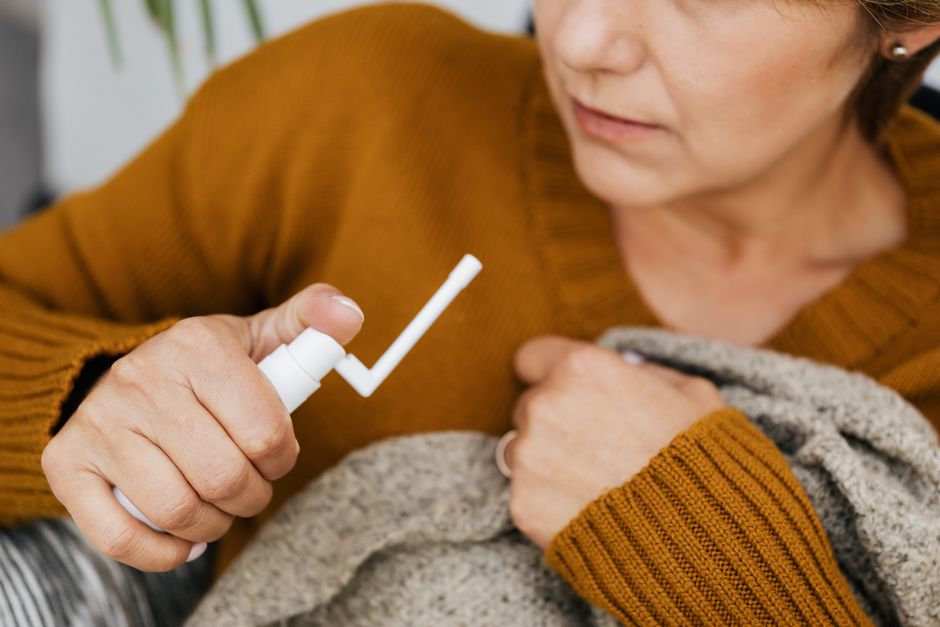
Pneumococcal pneumonia is a bacterial lung infection caused by Streptococcus pneumoniae. It is the most common type of bacterial pneumonia in adults. The infection causes the air sacs in one or both lungs to fill with fluid or pus, leading to cough, fever, chills, and difficulty breathing. Prompt treatment with antibiotics is essential, and vaccination is the most effective way to prevent it.
What Is Pneumococcal Pneumonia?
Pneumococcal pneumonia is an infection of the lungs caused by the bacterium Streptococcus pneumoniae. This bacteria is also called pneumococcus. It spreads from person to person through respiratory droplets when someone coughs or sneezes.
Many people carry this bacteria in their nose and throat without getting sick. In healthy people, the immune system keeps it in check. But when the bacteria move into the lungs, they can multiply quickly and cause infection. The body’s immune response to the infection causes the air sacs to fill with fluid, pus, and inflammatory cells. This makes it harder for oxygen to reach the bloodstream.
Pneumococcal pneumonia is not the same as viral pneumonia. It requires different treatment. Antibiotics treat bacterial pneumonia but do not work on viral infections. This distinction matters for how the illness is managed.
What Are the Symptoms of Pneumococcal Pneumonia?
Symptoms often come on suddenly. They can appear within 24 to 48 hours after exposure. The classic signs include:
- High fever, often above 102°F
- Shaking chills
- Cough that produces thick, rust-colored or greenish mucus
- Sharp chest pain that worsens with deep breathing or coughing
- Rapid breathing or shortness of breath
- Fatigue and weakness
- Sweating and clammy skin
Older adults may not show these typical symptoms. Instead, they may experience confusion, low body temperature, or a sudden decline in their usual level of function. If an older adult becomes confused or less responsive without an obvious cause, pneumonia should be considered.
Some people develop a milder form of the illness. This is sometimes called “walking pneumonia,” though that term is more often used for pneumonia caused by a different bacteria, Mycoplasma pneumoniae. Pneumococcal pneumonia is typically more severe.
Who Is at Highest Risk for Pneumococcal Pneumonia?
Anyone can get pneumococcal pneumonia, but some groups face higher risk. The bacteria causes more severe disease in people with weakened immune systems or underlying health conditions.
People at increased risk include:
- Adults aged 65 and older
- Children under 2 years old
- People with chronic heart, lung, or liver disease
- People with diabetes
- People who smoke or drink alcohol heavily
- People with HIV, cancer, or other conditions that weaken the immune system
- People without a functioning spleen
Risk also increases for people who have had influenza. Viral flu can damage the lining of the airways, making it easier for pneumococcus to invade the lungs. This is one reason annual flu vaccination is recommended.



How Is Pneumococcal Pneumonia Diagnosed?
A doctor will start with a physical exam and listen to your lungs with a stethoscope. Crackling or abnormal sounds can suggest fluid in the lungs. The doctor will also ask about your symptoms and medical history.
Several tests can confirm the diagnosis:
- Chest X-ray: Shows areas of white or opaque shadowing in the lungs where fluid has collected
- Blood tests: A complete blood count can show elevated white blood cells, indicating infection. Blood cultures can sometimes grow the bacteria.
- Sputum culture: A sample of mucus coughed up from the lungs is tested for the bacteria
- Pulse oximetry: Measures the oxygen level in your blood
In severe cases, a doctor may order a urine test that detects pneumococcal antigens. This test is quick and can help guide treatment. It does not replace cultures, but it can provide faster results.
What Is the Treatment for Pneumococcal Pneumonia?
Pneumococcal pneumonia is treated with antibiotics. The choice of antibiotic depends on the severity of the illness, your overall health, and local patterns of antibiotic resistance.
Commonly used antibiotics include penicillin derivatives, amoxicillin, macrolides, or respiratory fluoroquinolones. In many regions, some strains of pneumococcus have become resistant to certain antibiotics. Because of this, doctors often choose a broader-spectrum antibiotic initially or combine two antibiotics until the specific strain is identified.
Mild cases can be treated at home with oral antibiotics. More severe cases require hospitalization and intravenous antibiotics. Hospital treatment may also include oxygen therapy, fluids, and breathing treatments.
Most people improve within a few days of starting antibiotics. A full course of treatment usually lasts 5 to 7 days, though some people need longer. It is important to finish the entire prescribed course even if you feel better. Stopping early can allow the infection to return and may contribute to antibiotic resistance.
Do not expect immediate relief. Fever often breaks within 48 to 72 hours. The cough and fatigue can linger for several weeks. This is normal and does not mean the antibiotics are failing.
What Are the Possible Complications?
Pneumococcal pneumonia can be serious. It is a leading cause of pneumonia-related hospitalization and death in older adults. Complications can occur even with prompt treatment.
Potential complications include:
- Bacteremia: The bacteria spreads into the bloodstream. This can lead to sepsis, a life-threatening whole-body inflammatory response.
- Empyema: Pus collects in the space between the lungs and the chest wall. This may require drainage with a needle or surgery.
- Meningitis: The bacteria can cross into the fluid surrounding the brain and spinal cord. This is a medical emergency.
- Pericarditis: Inflammation of the sac around the heart.
- Respiratory failure: The lungs become too damaged to supply enough oxygen to the body.
People with chronic conditions like heart failure or COPD may find those conditions worsen during a pneumonia episode. Recovery can take weeks or months for older adults and those with underlying disease.
How Can Pneumococcal Pneumonia Be Prevented?
Vaccination is the most effective prevention strategy. Two types of pneumococcal vaccines are available in the United States.
The pneumococcal conjugate vaccine (PCV15 or PCV20) protects against the most common disease-causing strains. The pneumococcal polysaccharide vaccine (PPSV23) protects against 23 strains. The recommended schedule depends on your age, health status, and which vaccines you have already received.
Current guidance recommends routine pneumococcal vaccination for all adults aged 65 and older. Adults aged 19 to 64 with certain medical conditions or risk factors should also be vaccinated. The specific vaccine and dosing schedule should be discussed with a healthcare provider, as recommendations have changed in recent years.
Beyond vaccination, these habits reduce risk:
- Washing hands regularly with soap and water
- Covering coughs and sneezes
- Not smoking
- Getting an annual flu shot
- Managing chronic conditions like diabetes and heart disease
Pneumococcal vaccines do not prevent all cases of pneumonia. They target the specific strains of pneumococcus included in the vaccine. Other bacteria and viruses can still cause pneumonia. But vaccination dramatically reduces the risk of the most common and dangerous bacterial cause.
When Should You See a Doctor?
See a doctor promptly if you have a persistent cough with fever, chest pain, or trouble breathing. Pneumonia can worsen quickly, especially in older adults and people with chronic illness.
Seek emergency care immediately if you experience:
- Difficulty breathing or shortness of breath at rest
- Blue or gray lips, skin, or nails
- Confusion or disorientation
- Coughing up blood
- A fever that does not break after 48 hours of antibiotics
Early treatment improves outcomes. Delaying care increases the risk of bacteremia and other serious complications.
Frequently Asked Questions
Is pneumococcal pneumonia the same as regular pneumonia?
No. Pneumonia is a general term for lung inflammation, and many bacteria and viruses can cause it. Pneumococcal pneumonia is specifically caused by Streptococcus pneumoniae and is the most common bacterial form.
How long does it take to recover from pneumococcal pneumonia?
Most people feel significantly better within 3 to 7 days of starting antibiotics, but cough and fatigue can persist for several weeks. Older adults and those with chronic conditions may take longer to fully recover.
Can you get pneumococcal pneumonia more than once?
Yes. Infection provides immunity only to the specific strain you had, and there are more than 90 known strains of pneumococcus. Vaccination remains important even after a previous infection.
Is pneumococcal pneumonia contagious?
The bacteria itself is contagious and spreads through respiratory droplets. However, many people carry the bacteria without becoming ill. You are most likely to spread it when you have active symptoms like coughing and sneezing.
