
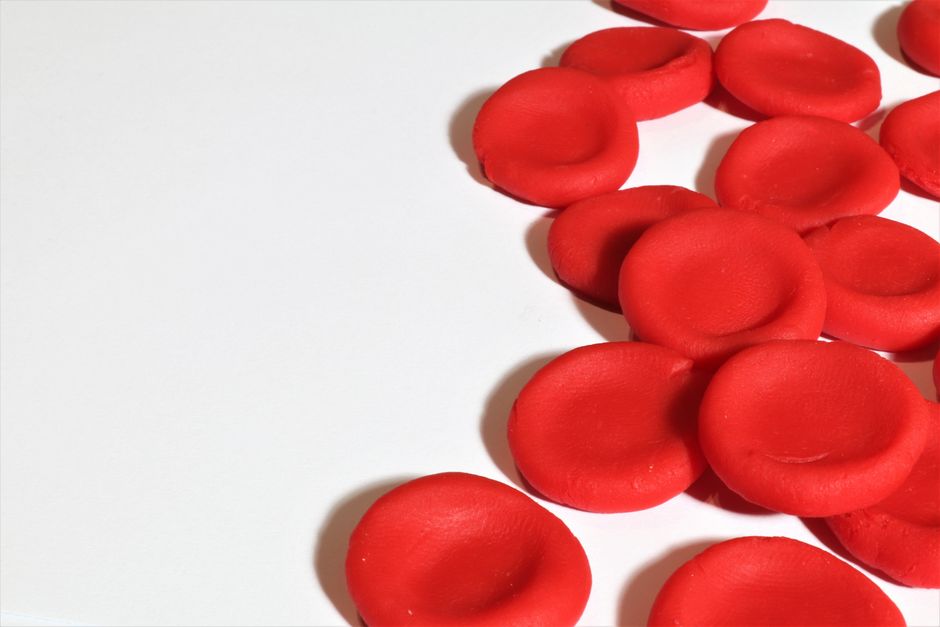
Packed red blood cells are a blood product made by removing most of the plasma from whole blood. They are used when a patient needs to increase their red blood cell count without adding extra fluid volume. This is common in cases of severe anemia, major blood loss, or during surgery. Unlike whole blood, packed red blood cells concentrate the oxygen-carrying cells, making the transfusion more efficient for specific medical needs.
What Exactly Are Packed Red Blood Cells?
Think of whole blood as a mixture. It contains red blood cells, white blood cells, platelets, and plasma. Plasma is the liquid part, mostly water, that carries these cells. Packed red blood cells are what remains after most of that plasma is removed through centrifugation or filtration.
The result is a thick, concentrated solution of red blood cells. This product has a high hematocrit, meaning a much higher percentage of red blood cells per volume compared to whole blood. The process reduces the total volume of fluid given to the patient while delivering the same number of oxygen-carrying cells.
According to the American Red Cross, one unit of packed red blood cells typically raises a patient’s hemoglobin level by about 1 gram per deciliter. This is a reliable standard used in hospitals nationwide. This precise measure helps doctors calculate exactly how many units a patient needs.
How Are Packed Red Blood Cells Different From Whole Blood?
The main difference is volume and composition. Whole blood contains everything from the donor: red cells, white cells, platelets, and plasma. Packed red blood cells are mostly just red cells with a small amount of preservative solution added.
This matters for several reasons. First, many patients do not need the extra plasma. Giving them whole blood could overload their circulatory system with fluid, especially if they have heart or kidney problems. Packed red blood cells minimize this risk.
Second, packed red blood cells allow doctors to give only what the patient needs. A patient with severe anemia needs red blood cells, not platelets or plasma. Using packed cells is more targeted and reduces the chance of reactions to other blood components.
| Feature | Whole Blood | Packed Red Blood Cells |
|---|---|---|
| Volume per unit | About 500 mL | About 250-350 mL |
| Hematocrit | Around 40% | Around 55-80% |
| Primary use | Massive trauma with active bleeding | Anemia, chronic blood loss, surgery |
| Risk of fluid overload | Higher | Lower |
Whole blood still has a place, mainly in trauma situations where a patient is losing large amounts of blood rapidly. But for most hospital transfusions, packed red blood cells are the standard choice.
When Do Doctors Use Packed Red Blood Cells?
Doctors prescribe packed red blood cells for specific clinical situations. The most common reason is chronic anemia that does not respond to other treatments. Anemia means your body does not have enough healthy red blood cells to carry oxygen to tissues.
Severe anemia is typically defined as a hemoglobin level below 7 or 8 grams per deciliter, depending on the patient. The American Association of Blood Banks recommends a restrictive transfusion strategy for most stable hospitalized patients. This means doctors often wait until hemoglobin drops below 7 or 8 before transfusing.
Another major use is during and after major surgery. Surgeries like hip replacements, heart bypass, or organ transplants can cause significant blood loss. Packed red blood cells restore oxygen-carrying capacity without overloading the patient with fluid.
Acute blood loss from trauma, gastrointestinal bleeding, or childbirth complications also triggers the need. In these cases, the goal is to restore oxygen delivery quickly. Packed red blood cells are often given alongside plasma and platelets in a balanced ratio for massive transfusions.
People with blood disorders like sickle cell disease or thalassemia may receive regular transfusions. These patients often need packed red blood cells to manage their condition and prevent complications like stroke or organ damage. The goal here is long-term management, not emergency resuscitation.





What Does Research Show About the Safety of Packed Red Blood Cells?
Research shows that packed red blood cell transfusions are generally safe when used appropriately. The blood supply in the United States is rigorously tested. The FDA regulates blood banks, and donors are screened for infections like HIV, hepatitis B and C, and West Nile virus.
Studies published in journals like Transfusion and JAMA have found that the risk of transmitting a serious infection through blood transfusion is extremely low. For HIV, the risk is estimated at about 1 in 1.5 million units. For hepatitis C, it is about 1 in 1.1 million units.
However, transfusions are not risk-free. The most common adverse effects are non-infectious. These include febrile non-hemolytic reactions, where the patient develops a fever during or after the transfusion. This happens in about 1 in 100 transfusions.
Allergic reactions, such as hives or itching, occur in about 1 in 50 transfusions. These are usually mild and treatable with antihistamines. More serious reactions, like acute hemolytic reactions or transfusion-related acute lung injury (TRALI), are rare but can be life-threatening.
The evidence strongly supports that the benefits of packed red blood cells outweigh the risks when used for clear medical indications. Unnecessary transfusions carry unnecessary risk. This is why hospitals have strict protocols and why doctors follow evidence-based guidelines.
What Are the Side Effects and Risks of Packed Red Blood Cell Transfusions?
Side effects range from mild to severe. The most common is a fever, called a febrile non-hemolytic reaction. This happens because the patient’s immune system reacts to white blood cells or cytokines in the donated blood. It is not dangerous in itself but can be uncomfortable.
Allergic reactions are also common. Symptoms include hives, itching, and swelling. These are usually mild and respond to medications like diphenhydramine (Benadryl). Severe allergic reactions, called anaphylaxis, are very rare.
More serious risks include:
- Hemolytic reactions – The immune system destroys the donor red cells. This can happen if the blood type is mismatched. Symptoms include fever, chills, back pain, and dark urine. This is a medical emergency.
- Transfusion-related acute lung injury (TRALI) – A rare but serious condition where fluid builds up in the lungs, causing difficulty breathing. It is a leading cause of transfusion-related deaths.
- Transfusion-associated circulatory overload (TACO) – Too much fluid volume causes heart failure or pulmonary edema. This is more common in older adults or people with heart or kidney disease.
- Iron overload – People who receive many transfusions over time, like those with sickle cell disease, can accumulate too much iron. This damages organs like the liver and heart. Chelation therapy can remove excess iron.
Some people worry about getting an infection from the blood. As mentioned, the risk is extremely low in the United States. The blood supply is screened for multiple pathogens. No system is perfect, but the current safety measures are robust.
Common Misconceptions About Packed Red Blood Cells
A common myth is that packed red blood cells are the same as “blood doping.” Blood doping is an illegal practice where athletes inject themselves with extra red blood cells to improve performance. Packed red blood cells are a medical product used under strict supervision for legitimate health needs. They are not for performance enhancement.
Another misconception is that a transfusion is always an emergency. In reality, many transfusions are planned. A patient with chronic anemia may receive a transfusion as an outpatient. They come to a clinic, receive the blood over a few hours, and go home the same day.
Some people believe that receiving packed red blood cells will change their own blood type. This is not true. The donor cells circulate for a limited time, typically about 30 to 90 days. The patient’s own bone marrow continues to produce their original blood type. The transfusion does not permanently alter the recipient’s blood type.
There is also a belief that older blood is less effective. Research has not consistently shown that the age of stored blood significantly affects patient outcomes. The standard storage time for packed red blood cells is up to 42 days. Large studies like the RECESS and ABLE trials found no major difference in survival or organ failure between patients who received fresh versus older blood.
What to Avoid When Considering a Packed Red Blood Cell Transfusion
Avoid demanding a transfusion if your doctor says you do not need one. Unnecessary transfusions carry real risks without any benefit. The evidence is clear: restrictive transfusion practices are safer for most patients. Trust your doctor’s clinical judgment based on your hemoglobin level and symptoms.
Avoid assuming that a low hemoglobin number alone means you need blood. Many people with chronic kidney disease or anemia tolerate hemoglobin levels of 8 or 9 without symptoms. Doctors consider the whole picture, including fatigue, shortness of breath, heart rate, and other medical conditions.
Avoid taking over-the-counter iron supplements without consulting your doctor after a transfusion. While iron is needed to make new red blood cells, too much iron can be harmful. Your doctor will check your iron levels and recommend supplements only if necessary.
Do not ignore symptoms during or after a transfusion. If you develop fever, chills, itching, back pain, or difficulty breathing, tell the nurse or doctor immediately. Prompt treatment can prevent complications. Most transfusion reactions are manageable if caught early.
Frequently Asked Questions
How long does a packed red blood cell transfusion take?
A typical transfusion takes 1 to 4 hours depending on the amount of blood and the patient’s condition. The rate is adjusted to avoid fluid overload.
Can packed red blood cells be given at home?
In some cases, yes, but it requires careful medical supervision and a stable patient. Most transfusions are given in hospitals or outpatient clinics.
Will I feel better immediately after a transfusion?
Many people feel improvement in energy and breathing within a few hours to a day. Full benefit may take longer as the new cells begin working.
How often can someone receive packed red blood cells?
Frequency depends on the underlying condition. Some patients need transfusions weekly, while others need them only once. Your doctor will create a schedule based on your needs.
