
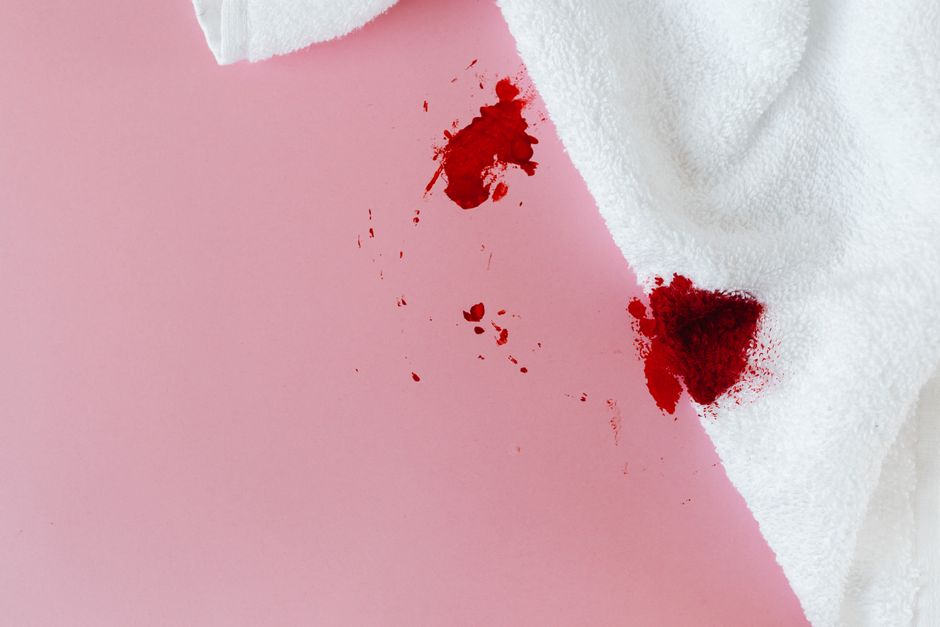
Blood spills carry real risks. Hepatitis B, Hepatitis C, and HIV can survive in dried blood for hours or even days. The CDC reports that Hepatitis B can live outside the body for at least seven days. Cleaning up blood is not like cleaning up juice. You need the right steps, the right supplies, and the right mindset. Here is how to clean up a blood spill safely, step by step, based on guidelines from OSHA, the CDC, and the Red Cross.
What Supplies Do You Need Before You Start?
Do not start cleaning until you have everything ready. Running to find supplies mid-cleanup increases your risk of exposure. You need a few specific items, not just whatever is under the sink.
Gather disposable gloves. Nitrile gloves are better than latex because they resist punctures better and fewer people are allergic to them. You also need an EPA-registered disinfectant that kills bloodborne pathogens. Look for a label that says “tuberculocidal” or lists HIV and Hepatitis B on the bottle. A 10% bleach solution works too — one part bleach to nine parts water — but it must be mixed fresh each time. Bleach loses its strength within 24 hours after mixing.
You also need paper towels or absorbent cloths you can throw away, a plastic scoop or cardboard piece for picking up glass if there is any, a biohazard bag or two heavy-duty trash bags, and fresh water for rinsing. Do not use a mop or sponge that you plan to reuse. Anything that touches the blood gets thrown away or disinfected completely.
How To Clean Up A Blood Spill Safely Step By Step?
This is the core sequence. Follow it exactly. Do not skip steps. Do not speed through it. Each step exists because someone got infected by skipping it.
First, put on your gloves. Check for any holes or tears before touching anything. If the spill is large or you expect splashing, add a disposable apron and safety glasses. Blood can spray when you wipe it up, especially if you are cleaning a pool of it.
Second, contain the spill. Place paper towels or absorbent material around the edges of the blood pool. This keeps it from spreading while you work. Start at the outer edge and work inward. Do not press hard. You want to absorb, not smear.
Third, remove the bulk of the blood. Use fresh paper towels to soak up as much liquid as possible. Place the used towels directly into the biohazard bag. If there is broken glass, use the plastic scoop or a piece of cardboard to pick it up. Never use your hands, even with gloves on. Glass can cut through gloves easily.
Fourth, apply the disinfectant. Saturate the area with your EPA-registered cleaner or fresh bleach solution. Do not wipe it off immediately. The disinfectant needs “wet time” to kill viruses and bacteria. Check the label, but most disinfectants require at least 10 minutes of contact. For bleach, let it sit for 10 full minutes. Set a timer if you have to.
Fifth, wipe the area clean. Use fresh paper towels to wipe up the disinfectant. Dispose of everything that touched the blood or the disinfectant into the biohazard bag. This includes gloves, towels, the scoop, and any other disposable items.
Sixth, disinfect the reusable items. If you used a bucket or a reusable scoop, wash it with soap and water, then soak it in a fresh bleach solution for 30 minutes. Do not just rinse it. Blood can hide in small scratches on plastic surfaces.
Seventh, wash your hands. Remove your gloves carefully by turning them inside out. Throw them in the biohazard bag. Then wash your hands with soap and warm water for at least 20 seconds. Even if you wore gloves, wash your hands. Gloves can have tiny holes you cannot see.
| Step | Action | Key Detail |
|---|---|---|
| 1 | Put on PPE | Nitrile gloves minimum. Add apron and goggles for large spills. |
| 2 | Contain spill | Place absorbent material around edges first. |
| 3 | Remove bulk blood | Absorb liquid. Pick up glass with scoop, not hands. |
| 4 | Apply disinfectant | Saturate area. Let sit 10 minutes minimum. |
| 5 | Wipe clean | Use fresh towels. Put everything in biohazard bag. |
| 6 | Disinfect reusable items | Soak in bleach solution 30 minutes. |
| 7 | Wash hands | 20 seconds with soap and warm water after glove removal. |
What Are The Biggest Mistakes People Make?
The most common mistake is rushing the disinfectant step. People spray the area, wipe it up immediately, and think they are done. That does not kill anything. The CDC states that bloodborne pathogens require a specific contact time to be inactivated. If you wipe the disinfectant off after 30 seconds, you have just spread dirty water around.
Another major mistake is using household cleaners that are not rated for blood. Vinegar, hydrogen peroxide from the bottle, and all-purpose spray do not reliably kill Hepatitis B or HIV. Hydrogen peroxide can degrade blood proteins but does not disinfect thoroughly enough for a blood spill. You need an EPA-registered disinfectant with a bloodborne pathogen claim or a fresh bleach solution.
People also reuse sponges and mops. A sponge that touched blood cannot be fully disinfected in a home setting. The pores trap organic material. Throw it away. Mop heads should be single-use if possible, or soaked in a strong disinfectant for 30 minutes and then washed separately in hot water. Most people do not do this correctly.




How Do You Handle Dried Blood Spills?
Dried blood is actually harder to clean than wet blood. The viruses can still be infectious. Research published in the Journal of Hospital Infection found that Hepatitis B can remain infectious on surfaces for over a week at room temperature. Dried blood does not mean safe blood.
The key difference is that you must rehydrate the blood before you can disinfect it. Do not scrape dried blood with a brush. That can create dust particles containing viral material that you then breathe in. Instead, saturate the area with disinfectant solution and let it soak for 15 to 20 minutes. The liquid will soften the dried blood so you can absorb it with paper towels.
After the soak, follow the same steps as a wet spill. Apply fresh disinfectant and let it sit for the full contact time. Dried blood may require a second application of disinfectant to be fully covered. Be thorough. This is not the time to save on cleaning solution.
What About Blood Spills On Carpet, Upholstery, Or Porous Surfaces?
Porous surfaces are the hardest to clean. Carpet, fabric couches, and unfinished wood absorb blood into the fibers or pores. You cannot fully disinfect deep inside a porous material with surface cleaning alone. OSHA recommends that porous materials contaminated with blood be removed and discarded if they cannot be properly disinfected.
For small spills on carpet, you can try blotting up as much blood as possible with paper towels, then saturating the area with an EPA-registered disinfectant. Let it sit for the full contact time. Then blot again with clean towels. Repeat the process two or three times. After it dries, vacuum the area. But understand that this reduces risk, it does not eliminate it entirely.
For large blood spills on carpet or upholstery, professional cleaning is the safer choice. Some biohazard cleanup companies use specialized equipment and disinfectants that penetrate deeper into fibers. The American Red Cross advises that if you are unsure whether a surface is fully clean, treat it as contaminated and either discard it or call a professional.
How Do You Dispose Of Blood Cleanup Materials?
Disposal rules depend on where you live and whether the blood is from a known medical condition. In a home setting, you can usually place blood-soaked materials in a sealed heavy-duty trash bag and put it in your regular trash. Check your local waste disposal regulations first. Some cities require biohazard waste pickup for large amounts of blood.
If the blood is from someone with a known bloodborne infection like Hepatitis B or HIV, the waste should be treated as regulated medical waste. This means using a red biohazard bag and arranging for proper disposal through a medical waste service. Most homes do not need this for routine spills, but it is important to know the difference.
Never flush blood-soaked materials down the toilet. This can clog plumbing and expose sewage workers to bloodborne pathogens. Never put blood-soaked items in recycling bins. Everything goes in the trash, sealed tight, and labeled if your local rules require it.
Frequently Asked Questions
How long can bloodborne viruses live outside the body?
Hepatitis B can survive for at least seven days on dry surfaces. HIV typically dies within minutes outside the body but can survive longer in liquid blood.
Can I use bleach to clean a blood spill?
Yes, a fresh 10% bleach solution works well. Mix one part bleach with nine parts water and use it within 24 hours.
Do I need to call a professional for a small blood spill?
No, small spills on non-porous surfaces can be handled at home with proper supplies and steps. Large spills or spills on carpet may require professional help.
What should I do if I get blood on my skin during cleanup?
Wash the area immediately with soap and warm water for at least 20 seconds. If blood splashes in your eyes, flush with clean water for 15 minutes and seek medical evaluation.
