
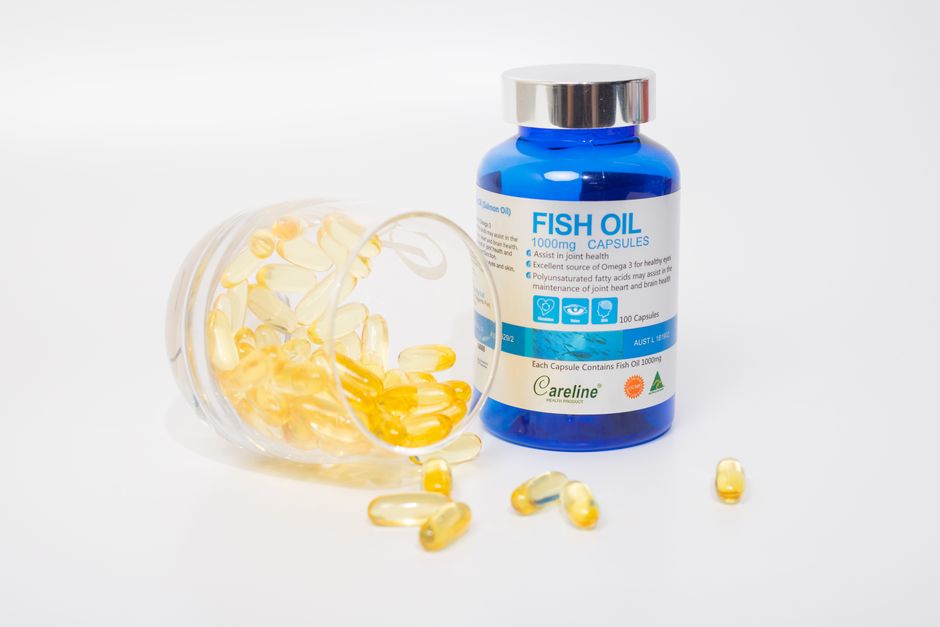
Omega-3 and omega-6 are two types of polyunsaturated fats your body needs but cannot make on its own. They are called essential fats because you must get them from food. Omega-3s help reduce inflammation and support brain and heart health, while omega-6s promote inflammation which is necessary for healing and immune function. The key is balance — most people get too many omega-6s and not enough omega-3s.
What Is the Difference Between Omega-3 and Omega-6?
The difference starts with their chemical structure. Omega-3 fatty acids have their first double bond three carbon atoms from the end of the molecule. Omega-6 fatty acids have their first double bond six carbons from the end. That small structural difference changes how they work in your body.
Omega-3s are mostly anti-inflammatory. The three main types are ALA (alpha-linolenic acid), EPA (eicosapentaenoic acid), and DHA (docosahexaenoic acid). ALA comes from plants like flaxseeds and walnuts. EPA and DHA come from fatty fish like salmon, mackerel, and sardines. Your body can convert some ALA into EPA and DHA, but only about 5-10% converts efficiently.
Omega-6s are mostly pro-inflammatory. The main type is LA (linoleic acid), found in vegetable oils like soybean, corn, and sunflower oil. Your body converts LA into arachidonic acid, which your immune system uses to trigger inflammation. This is not bad — you need inflammation to fight infections and heal injuries. Problems start when the ratio tips too far toward omega-6.
How Much Omega-3 and Omega-6 Do You Actually Need?
The National Institutes of Health (NIH) recommends 1.1 to 1.6 grams of omega-3s per day for adults. For omega-6, the Adequate Intake is 11 to 17 grams per day for adults. Most Americans get 10 to 20 times more omega-6 than omega-3. That is far outside the estimated 4-to-1 ratio that researchers believe is ideal.
The table below shows the recommended daily intakes and what most people actually consume.
| Fat Type | Recommended Intake (Adult) | Average US Intake |
|---|---|---|
| Omega-3 (total) | 1.1–1.6 g/day | 0.1–0.2 g/day |
| Omega-6 (LA) | 11–17 g/day | 15–20 g/day |
| Omega-6 to Omega-3 ratio | 4:1 or lower | 10:1 to 20:1 |
The problem is not omega-6 itself. The problem is that modern diets are flooded with omega-6 from processed foods and refined vegetable oils. A single serving of potato chips cooked in soybean oil can have more omega-6 than an entire day’s recommended intake. Meanwhile, most people rarely eat fatty fish or other omega-3 sources.
What Does Research on Omega-3 and Omega-6 Show?
Research published in the Journal of the American Heart Association found that people with higher blood levels of omega-3s had a 35% lower risk of fatal heart attacks. Another study in JAMA Cardiology showed that omega-3 supplements reduced the risk of heart attack and other cardiovascular events by about 8% in people with existing heart disease.
For omega-6, the evidence is more complicated. A meta-analysis in Circulation found that replacing saturated fat with omega-6-rich vegetable oils reduced total cholesterol but did not lower heart attack risk. Some studies even suggest that very high intakes of omega-6 may promote inflammation in people who already have low omega-3 levels.
The strongest evidence supports eating fatty fish rather than taking supplements. The American Heart Association recommends at least two servings of fatty fish per week. For people who do not eat fish, algae-based DHA supplements are a reasonable alternative. Fish oil supplements show modest benefits but do not match the results seen from eating whole fish.





What Are the Best Food Sources of Omega-3 and Omega-6?
Getting the right balance starts with knowing which foods provide which fats. Here are the best sources for each:
Top Omega-3 Food Sources
- Salmon (wild caught has more omega-3 than farmed)
- Mackerel and sardines
- Herring and anchovies
- Flaxseeds and chia seeds
- Walnuts
- Algae oil and seaweed
Common Omega-6 Food Sources
- Soybean oil (found in most processed foods)
- Corn oil and sunflower oil
- Mayonnaise and salad dressings
- Nuts and seeds (especially pine nuts and pecans)
- Poultry and eggs
Notice that omega-6 sources include many whole foods like nuts and poultry. You do not need to avoid these. The goal is to cut back on processed foods made with refined vegetable oils. Cooking at home with olive oil or avocado oil instead of soybean oil is a simple swap that shifts the ratio.
Can Omega-3 and Omega-6 Supplements Help?
Fish oil supplements are the most studied omega-3 supplement. Research shows they can lower triglycerides by 15-30% in people with high levels. The New England Journal of Medicine published a large trial showing that a high-dose prescription omega-3 medication reduced cardiovascular events by 25% in people with high triglycerides and heart disease risk.
Over-the-counter fish oil supplements are less consistent. Many brands contain oxidized or rancid oil that provides little benefit. A study in JAMA tested 32 fish oil supplements and found that 30% had less omega-3 than their label claimed. If you choose a supplement, look for one that is third-party tested and lists the amount of EPA and DHA, not just total fish oil.
Omega-6 supplements are rarely needed and not recommended. Almost everyone gets enough omega-6 from their diet. Evening primrose oil and borage oil are sometimes marketed for skin health and hormone balance, but strong evidence is limited. Some people report reduced symptoms of eczema or PMS, but the research is mixed and small.
Common Misconceptions About Essential Fats
The biggest myth is that all omega-6 is bad. That is not true. Omega-6 is essential for normal immune function and cell growth. The problem is the amount, not the fat itself. Eating a handful of walnuts or a piece of chicken is fine. Drinking a bottle of soybean oil-based salad dressing every day is not.
Another myth is that plant-based ALA from flaxseeds is equivalent to fish-based EPA and DHA. It is not. Your body converts ALA to EPA and DHA at a rate of about 5-10%. That means a tablespoon of flaxseed oil provides about 7 grams of ALA, which converts to roughly 0.35 to 0.7 grams of EPA/DHA. You would need to eat massive amounts of flaxseeds to match a single serving of salmon.
A third misconception is that cooking destroys omega-3s. Heat does damage some omega-3s, but not all. Baking salmon at 400°F retains about 80% of its omega-3 content. Deep frying destroys more. The bigger issue is that omega-6-rich oils like soybean and corn oil become unstable at high heat and form harmful compounds. Olive oil and avocado oil are better choices for cooking.
Frequently Asked Questions
What is the ideal ratio of omega-6 to omega-3?
Most researchers recommend a ratio of 4:1 or lower. The typical Western diet is closer to 20:1.
Can you get enough omega-3 from plant sources alone?
It is difficult. Plant sources provide ALA, which converts poorly to EPA and DHA. Algae-based supplements are a better option for vegetarians.
Do omega-3 supplements cause bleeding?
High doses over 3 grams per day may increase bleeding risk. Standard doses of 1-2 grams per day are safe for most people.
How long does it take for omega-3 levels to improve?
Blood levels of EPA and DHA start rising within days. It takes about 3-6 months to reach steady levels in cell membranes.
