
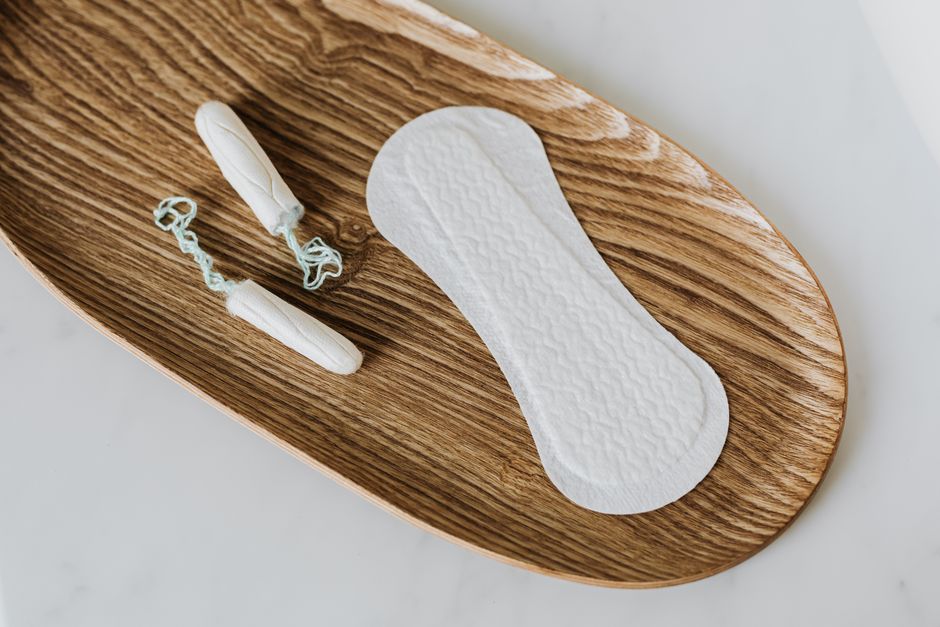
Inserting a tampon should not cause sharp pain. A little pressure or a dull ache is common, especially for new users, but stinging, burning, or a sharp pinch usually means something specific is going on. Most of the time the cause is simple: wrong angle, tense muscles, a dry tampon, or a size that is too large for your flow. Some causes are worth a doctor’s visit.
Why Would It Hurt To Put In A Tampon?
The most common reason is that the tampon is not following the natural path of the vagina. The vagina angles toward the lower back, not straight up. Pushing straight up presses the tampon against the vaginal wall, which is sensitive tissue. That creates a pinch or a scraping feeling.
The second most common reason is muscle tension. The pelvic floor muscles and the vaginal opening are surrounded by muscles that tighten when you are nervous, rushed, or bracing for pain. This is a normal reflex, not a sign that something is wrong with you. When those muscles tighten, the opening narrows and anything entering feels uncomfortable or blocked.
Other frequent causes include:
- A tampon that is too absorbent for your flow, which creates friction because it is dry
- Not pushing the applicator in far enough, so the widest part sits at the sensitive vaginal opening
- Inserting at an awkward angle while sitting, standing, or squatting in a way that changes the vaginal tilt
- A vaginal infection or irritation that has made the tissue raw and sensitive
- An anatomical variation, such as a hymen that partially covers the opening or a vaginal septum
Pain with tampon insertion is not something to push through. If it hurts, remove it and try again later or use a different product. Forcing it can cause small tears in the vaginal tissue, which can bleed and sting.
What Does Normal Insertion Actually Feel Like?
When a tampon is placed correctly, you should not feel it at all once it is in. During insertion you might feel a slight pressure or a mild fullness. That is normal. Sharp pain, a burning sensation, or a feeling that something is being scraped is not.
If you can feel the tampon after it is in, it is usually not in far enough. The lower part of the vagina has more nerve endings than the upper part. A tampon sitting low will be noticeable. Pushing it slightly higher usually resolves it.
Some women feel a brief cramp right after insertion. That is usually the uterus reacting to the presence of the tampon. It typically passes within a minute or two. If cramping continues or gets worse, remove the tampon.
Could It Be Vaginismus Or Another Medical Cause?
When tampon insertion consistently causes pain or is impossible, one possibility is vaginismus. This is an involuntary tightening of the pelvic floor muscles around the vaginal opening. It is not a choice or a sign of being “too tight” in a permanent way. It is a treatable condition, and pelvic floor physical therapy is one of the main approaches clinicians use.
Other medical causes of insertion pain include:
- Vaginal infections such as yeast infections or bacterial vaginosis, which can make the tissue inflamed and tender
- Vulvodynia, a condition of chronic vulvar pain with no clear identifiable cause
- Vaginal atrophy, thinning and drying of vaginal tissue that commonly occurs after menopause or during breastfeeding
- Hymen variations, including a microperforate or septate hymen that narrows the opening
- Vaginal septum, a rare structural division inside the vagina
- Endometriosis or pelvic inflammatory disease, which can cause deep pelvic pain
If pain happens every time, if it is severe, or if it comes with unusual discharge, odor, bleeding, or fever, see a doctor. These symptoms point to causes that need diagnosis and treatment, not a different tampon.





How Do You Insert A Tampon Without Pain?
Technique matters more than most people realize. The angle is the single biggest factor. The vagina tilts toward the tailbone, so aim the applicator toward your lower back, not straight up toward your head.
Other adjustments that help:
- Relax your pelvic floor before inserting. Take a slow breath in and let the muscles soften as you exhale.
- Use the lowest absorbency that controls your flow. Lighter absorbency means a slimmer tampon.
- Try a different position. Some people find it easier standing with one foot on the toilet or bathtub edge. Others find squatting easier.
- Use a small amount of water-based lubricant on the tip of the applicator if dryness is the issue.
- Push the applicator in until your fingers touch your body, then push the inner tube to release the tampon.
- If you use non-applicator tampons, the same angle applies. Guide it with your finger toward your lower back.
If you have tried these adjustments and insertion still hurts, the problem is likely not technique. That is when it makes sense to talk to a clinician.
Does Age Or Virginity Affect Tampon Pain?
Being a virgin does not make tampon use impossible or dangerous. The hymen is a stretchy tissue ring with an opening, not a seal. For most people, that opening is large enough to pass a tampon without tearing anything.
That said, some hymens are more restrictive than others. A hymen with a small opening, called a microperforate hymen, can make insertion difficult or painful. This is an anatomical variation, not a medical problem in itself. A clinician can assess it if insertion is consistently painful.
Age matters mostly through hormonal changes. Before puberty, low estrogen keeps vaginal tissue thin and dry, which is why tampon use is not recommended before menstruation starts. After menopause, falling estrogen levels thin and dry the tissue again, which can make insertion uncomfortable. During breastfeeding, similar hormonal shifts can cause vaginal dryness.
When Should You Stop Trying And See A Doctor?
Occasional discomfort when you are learning is one thing. Recurring pain is another. See a doctor if:
- Insertion hurts every time, even with correct technique and a slim tampon
- You cannot insert a tampon at all despite multiple attempts
- Pain is severe, sharp, or lasts after the tampon is removed
- You notice unusual discharge, odor, bleeding between periods, or sores
- You have pelvic pain, pain with intercourse, or pain with bowel movements
- You develop fever, chills, or a sudden increase in pain while a tampon is in place
The last point is urgent. Fever, rash, sudden high fever, vomiting, or diarrhea during tampon use can be signs of toxic shock syndrome, a rare but serious bacterial infection. Remove the tampon and seek medical care right away if those symptoms appear.
For non-urgent pain, a gynecologist, nurse practitioner, or pelvic floor physical therapist can evaluate the cause. Many causes of insertion pain are treatable. Some improve with physical therapy, others with medication or a minor procedure. The key is getting an accurate diagnosis rather than assuming you are doing something wrong.
Frequently Asked Questions
Why does it hurt when I put a tampon in?
The most common causes are pushing at the wrong angle, tense pelvic floor muscles, or using a tampon that is too absorbent and dry. If pain happens every time, a medical cause such as vaginismus or a vaginal infection may be involved.
Is it normal for tampon insertion to hurt the first time?
Mild pressure or a brief pinch is common the first few times as you learn the angle. Sharp or lasting pain is not normal and usually points to technique, muscle tension, or an underlying condition.
Can a virgin use a tampon without pain?
Yes. The hymen typically has an opening large enough to pass a tampon, and using one does not change virginity. Some hymen shapes are more restrictive, and a clinician can check if insertion is consistently painful.
What should I do if tampons always hurt?
Try a lower absorbency, adjust the angle toward your lower back, and relax your pelvic floor before inserting. If pain continues after those changes, see a doctor or pelvic floor physical therapist for evaluation.
