
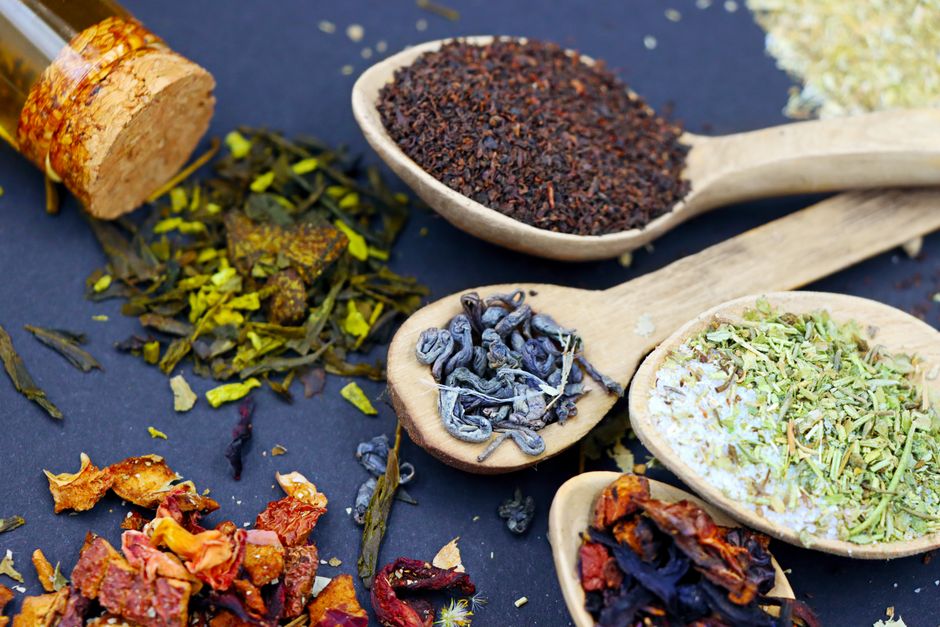
Natural flavors are flavoring substances derived from plant or animal sources, not created in a laboratory. The term is regulated by the U.S. Food and Drug Administration (FDA), which defines a natural flavor as an essential oil, oleoresin, essence, or extract that contains flavoring constituents from a spice, fruit, fruit juice, vegetable, vegetable juice, edible yeast, herb, bark, bud, root, leaf, or similar plant material. It can also come from meat, seafood, poultry, eggs, or dairy products. The purpose is to add flavor to food, not to provide nutrition.
What Does “Natural Flavor” Actually Mean on an Ingredient Label?
The FDA regulation is specific, but it leaves room for interpretation. A natural flavor can contain dozens of individual chemical compounds. The final product is a mixture that imparts a specific taste or smell to the food you buy.
Here is what the definition covers: the starting material must be natural. That means it comes from a plant or animal source. The process of extracting or concentrating the flavor can involve heating, roasting, or fermentation. Enzymes can also be used to break down proteins or starches to release flavor compounds.
The key distinction is between the starting material and the finished product. If a manufacturer starts with an apple but uses a chemical process to create a compound that tastes like butter, the label can still say “natural flavor” as long as the original source was natural. This surprises many people. The label does not tell you what the actual source was or how it was processed.
How Are Natural Flavors Made?
Flavor companies are the manufacturers behind these ingredients. They take a natural source and isolate specific chemical compounds from it. For example, vanillin is the primary flavor compound in vanilla. A manufacturer can extract vanillin from vanilla beans, or they can use a fermentation process with natural starting materials to produce it.
These isolated compounds are then blended to create a specific flavor profile. A strawberry natural flavor might not come entirely from strawberries. It could contain compounds extracted from other fruits that mimic the taste of strawberry. This is legal under current regulations because the source materials are natural.
The process is similar to how a perfumer blends scents. Flavorists, the professionals who create these blends, combine dozens of compounds to achieve the desired taste. They also account for how the flavor will behave when heated, frozen, or stored for long periods.
Natural vs. Artificial Flavors: What Is the Real Difference?
The difference between natural and artificial flavors is not about the final chemical structure. In many cases, the exact same chemical compound can be produced both ways. The difference is the starting point.
If a flavor compound comes from a plant or animal source, it is natural. If it comes from a petroleum-based or other synthetic source, it is artificial. The chemical compound itself may be identical in both cases. This is a fact that contradicts the common belief that natural is always safer or healthier.
Consider the flavor compound called isoamyl acetate. It tastes like banana. It can be extracted from bananas, which makes it a natural flavor. It can also be synthesized in a lab from chemical precursors, which makes it artificial. The molecule is exactly the same. Your body cannot tell the difference because there is no difference at the molecular level.
Some research suggests that consumers prefer the taste of natural flavors in blind tests, but the evidence is not consistent. The preference appears to be psychological rather than chemical.





Why Do Food Companies Use Natural Flavors?
Consumer demand drives the use of natural flavors. Surveys consistently show that shoppers prefer products labeled “natural” over those labeled “artificial.” Food manufacturers respond to this preference by reformulating products to use natural flavor sources.
There is also a practical reason. Natural flavors can be more complex than artificial ones. A natural flavor blend can contain hundreds of trace compounds that create depth and nuance. Artificial flavors tend to be simpler because they rely on fewer chemical compounds.
Cost is a factor, but not in the direction most people assume. Natural flavors are often more expensive than artificial ones because the raw materials cost more and the extraction processes are more complex. This cost is passed to the consumer through higher product prices.
Natural flavors also serve functional purposes beyond taste. They can enhance the perception of freshness, mask off-flavors from processing, or add aroma that triggers appetite. The flavor industry is a multi-billion dollar business, and natural flavors represent a growing share of that market.
Are Natural Flavors Safe to Eat?
The FDA considers natural flavors safe for consumption when they are used according to good manufacturing practices. The regulatory framework is the same for natural and artificial flavors. Both must meet safety standards before they are approved for use in food.
The FDA maintains a list of substances that are Generally Recognized As Safe, often called the GRAS list. Many flavor compounds are on this list based on a history of safe use or scientific evidence. However, the GRAS process has been criticized because manufacturers can self-determine that a substance is safe without FDA pre-approval.
Some people report sensitivities to specific flavor compounds. For example, some individuals react to sulfites, which can be present in certain natural flavors. Others may have allergies to specific source ingredients. The FDA requires that any major food allergen present in a natural flavor be disclosed on the label. This includes milk, eggs, fish, shellfish, tree nuts, peanuts, wheat, and soybeans.
For the general population, natural flavors are safe to consume in the amounts typically found in food products. The evidence does not support claims that natural flavors are harmful or toxic. At the same time, the evidence does not show that natural flavors provide any health benefits. They are purely for taste and aroma.
Do Natural Flavors Contain Hidden Ingredients?
This is where consumer confusion is highest. A natural flavor can contain solvents, preservatives, and other additives that are not listed separately on the label. The FDA allows these substances to be part of the flavor mixture without individual disclosure because they are considered part of the flavor itself.
For example, a natural flavor might contain propylene glycol as a solvent to dissolve flavor compounds. It might contain preservatives to extend shelf life. These ingredients are present in the final food product but are not named on the ingredient list. They are simply covered under the umbrella term “natural flavor.”
This lack of transparency frustrates consumers who want to know exactly what is in their food. Some advocacy groups have pushed for more detailed labeling. The FDA has not changed its requirements, though the agency does require that the flavor itself be safe for consumption.
If you have a specific dietary restriction or allergy, you should contact the manufacturer directly to ask about the composition of their natural flavors. Most companies have customer service lines that can provide this information.
Are Natural Flavors the Same as Whole Foods?
No. A natural flavor is not the same as the whole food it comes from. When you eat an apple, you consume fiber, vitamins, minerals, and hundreds of phytochemicals. When you eat a food with a natural apple flavor, you consume only the isolated flavor compounds that taste like apple.
Natural flavors do not provide nutritional value. They contain negligible calories, vitamins, or minerals. Their only function is sensory. This is an important distinction for anyone trying to eat a healthier diet.
Some food products are marketed with phrases like “made with real fruit” or “contains natural flavors.” These claims can be misleading. A product with natural flavors is not nutritionally equivalent to a product containing whole fruit. Reading the full ingredient list and nutrition facts panel is the only reliable way to understand what you are eating.
Should You Avoid Natural Flavors?
There is no strong scientific evidence that natural flavors are harmful to health. For most people, avoiding them is a personal choice rather than a medical necessity. If you prefer to eat foods with simpler ingredient lists, choosing products without natural flavors is a reasonable preference.
If you have a diagnosed food allergy or sensitivity, you should be more cautious. Contact manufacturers to confirm that their natural flavors do not contain your trigger ingredient. This is especially important for people with allergies to uncommon ingredients that are not among the major allergens required to be disclosed.
The evidence is clear on one point: whole foods are generally more nutritious than processed foods. A diet based on fruits, vegetables, whole grains, and lean proteins is supported by decades of research. Whether those whole foods contain natural flavors or not is a minor consideration compared to the overall quality of your diet.
Frequently Asked Questions
Are natural flavors vegan?
Not always. Natural flavors can be derived from animal sources like meat, dairy, or eggs. The label does not indicate the source, so vegans should contact the manufacturer to confirm.
Do natural flavors contain MSG?
Some natural flavors contain glutamate compounds that are chemically similar to MSG. The FDA requires that added MSG be listed separately on the label, but hydrolyzed proteins that contain free glutamate may be hidden under the term natural flavor.
Are natural flavors organic?
Only if the label says organic. The term natural flavor does not guarantee the source was grown without pesticides or synthetic fertilizers. Organic certification requires that flavor ingredients also meet organic standards.
Can natural flavors cause allergic reactions?
Yes, in rare cases. The FDA requires disclosure of major allergens in natural flavors, but reactions to trace compounds are possible. If you suspect a reaction, consult a doctor and contact the food manufacturer for detailed ingredient information.
