
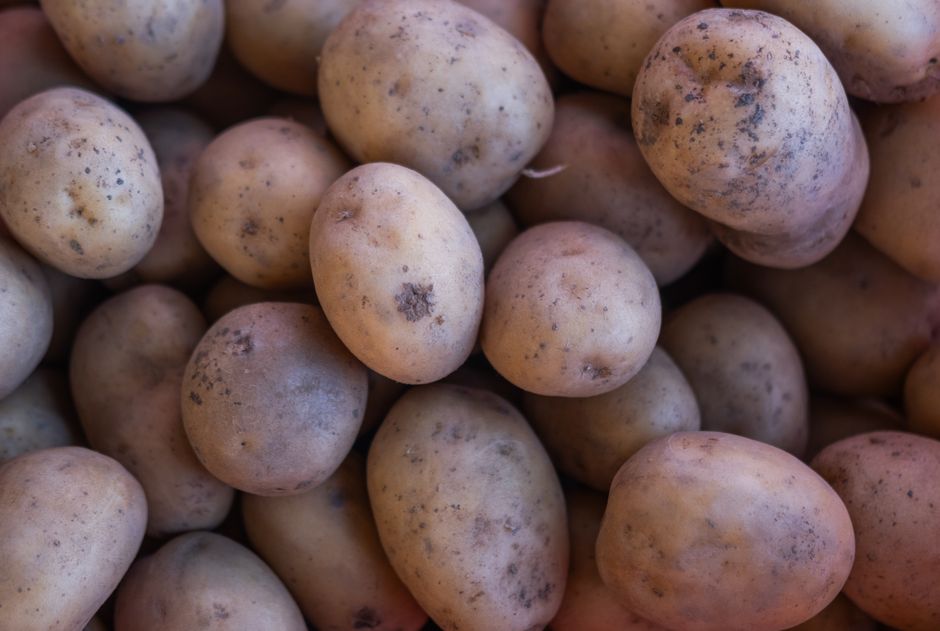
Mealy potatoes are potatoes with a dry, floury texture that breaks apart when cooked, and they are the best choice for mashing, baking, and thickening soups. The term describes texture, not spoilage. A mealy potato is a perfectly good potato whose cells separate easily after cooking, which produces a light, fluffy result rather than a firm, waxy one.
If you have ever boiled a potato and watched it crumble into the water, you have cooked a mealy potato. That same trait that ruins a potato salad makes an excellent baked potato. Understanding the difference between mealy and waxy potatoes is one of the most useful kitchen skills you can learn.
What Are Mealy Potatoes And How Do You Use Them?
Mealy potatoes are varieties with high starch content and relatively low moisture and sugar. When heated, the starch granules inside the potato absorb water, swell, and eventually burst. In a mealy potato, the cells separate from one another instead of holding together. The result is a dry, grainy, fluffy texture.
This happens because of the potato’s internal structure. Potato cells are held together by pectin, a natural glue found in the cell walls. Mealy potatoes have less of this pectin, or it breaks down more readily during cooking. Waxy potatoes have more pectin and hold their shape.
Russet potatoes are the classic example in the United States. Russets are the large, brown-skinned potatoes most often sold for baking. Other mealy varieties include Idaho potatoes (which are usually russets grown in Idaho), Kennebec, and some purple or yellow varieties depending on how they are grown and stored.
Starch content is the key variable. A potato’s starch level depends on the variety and on growing conditions. Potatoes grown in cooler climates and stored longer tend to develop more starch and become mealier over time.
How Can You Tell If A Potato Is Mealy Or Waxy?
You can often identify a mealy potato before you buy it by looking at the skin and shape. Mealy potatoes tend to have thicker, rougher, more netted skin. They are usually larger and more oval or oblong. Waxy potatoes have thin, smooth skin and are often smaller and rounder.
Here is a simple comparison:
| Feature | Mealy Potato | Waxy Potato |
|---|---|---|
| Starch content | High | Low to medium |
| Moisture content | Lower | Higher |
| Skin | Thick, rough, netted | Thin, smooth |
| Shape | Large, oval, oblong | Small, round |
| Cooked texture | Dry, fluffy, falls apart | Firm, creamy, holds shape |
| Common varieties | Russet, Idaho, Kennebec | Red, fingerling, new potatoes |
| Best uses | Baking, mashing, frying | Boiling, salads, roasting |
There is a common test you may have heard about: cutting a potato in half, rubbing the two halves together, and seeing if they stick. If they stick, the potato is supposedly waxy. If they fall apart, it is mealy. This test has some basis in the starch content, but it is not reliable enough to depend on. Variety and appearance are better guides.
One non-obvious point: a potato can become mealier during storage. Starch slowly converts to sugar and back again depending on temperature, and potatoes stored for long periods at cool temperatures can develop a different texture than when they were freshly harvested. A potato that was slightly waxy in October may behave more mealy by February.
Why Do Mealy Potatoes Fall Apart When Boiled?
When you boil a potato, water enters the cells and the starch granules inside swell. In a mealy potato, the pectin that holds cells together breaks down more easily under heat and water. The cells separate, and the potato loses its structure.
This is not a defect. It is a predictable result of the potato’s chemistry. The same process that makes a boiled mealy potato fall apart is what makes a mashed mealy potato smooth and fluffy.
If you want a boiled potato that holds its shape, choose a waxy variety. If you want a potato that mashes into a light, airy texture, choose a mealy one. The cooking method should match the potato, not the other way around.
Adding acid to the cooking water, such as a splash of vinegar or lemon juice, can help firm up the pectin and reduce how much a potato falls apart. This is a technique some cooks use for potato salad. It works best with waxy potatoes, but it can help a mealy potato hold together slightly better.





What Are The Best Uses For Mealy Potatoes?
Mealy potatoes are the right choice for any dish where a dry, fluffy texture is the goal. Their high starch content also makes them useful as a thickener.
- Baked potatoes: The dry interior steams and fluffs up, creating the classic baked potato texture.
- Mashed potatoes: The cells break apart easily, producing a smooth, light mash when handled gently.
- French fries: High starch helps fries develop a crisp exterior and fluffy interior when fried twice.
- Potato soup and chowder: As the potatoes break down, they naturally thicken the liquid.
- Gnocchi and potato dumplings: The dry texture means less added flour is needed, which keeps the dumplings light.
- Potato pancakes and latkes: The starch helps bind the grated potato together.
The main caution with mashing mealy potatoes is overworking them. When you mash or whip a mealy potato too much, the released starch can turn gluey. The fix is to mash while the potato is hot, use a gentle tool like a ricer or food mill rather than a mixer, and stop as soon as the lumps are gone.
Can You Use Mealy Potatoes For Potato Salad?
You can, but the result will be different from what most people expect. Mealy potatoes tend to break apart in potato salad, giving it a softer, more mashed consistency rather than distinct chunks.
If you only have mealy potatoes and want to make potato salad, there are a few adjustments that help. Cook them whole rather than cut, which reduces the surface area exposed to water. Add acid to the cooking water. Chill them thoroughly before mixing. And dress them gently.
Waxy potatoes are the standard choice for potato salad because they hold their shape. Red potatoes and fingerling potatoes are common picks. New potatoes, which are harvested young before their starch content rises, also work well.
How Should You Store Mealy Potatoes?
Store potatoes in a cool, dark, dry place. A pantry or cupboard works well. Do not store them in the refrigerator, because cold temperatures cause potato starch to convert to sugar, which can lead to a sweeter taste and darker color when cooked.
Keep potatoes out of direct light. Light exposure causes potatoes to turn green and produce solanine, a natural toxin. Green patches should be cut away before cooking, and potatoes that are heavily green or sprouted should be discarded.
Do not wash potatoes before storing. Moisture promotes mold and rot. Wash them just before you cook them.
Store potatoes away from onions. Onions release gases that can cause potatoes to sprout faster. A paper bag or a ventilated basket is better than a sealed plastic bag, which traps moisture.
Mealy potatoes generally keep for several weeks to a few months in good conditions. Over time they may become even mealier as starch content shifts. This is not a safety issue, but it does affect texture.
Are Mealy Potatoes Less Nutritious Than Waxy Potatoes?
No. The nutritional difference between mealy and waxy potatoes is small. Both are good sources of potassium and vitamin C, and both provide carbohydrates and some fiber, mostly in the skin.
The main nutritional variable is how you cook and serve them, not the variety. A baked potato with butter and sour cream delivers a very different nutritional profile than a plain boiled potato. Potato skins contain a meaningful share of the fiber and potassium, so leaving the skin on adds nutritional value regardless of variety.
Potatoes have a high glycemic index, meaning they raise blood sugar relatively quickly. This is true of both mealy and waxy types, though preparation and cooling can affect the response. Cooling cooked potatoes increases resistant starch, a type of starch that is not fully digested and has less effect on blood sugar. This applies to both mealy and waxy potatoes.
Frequently Asked Questions
What is a mealy potato?
A mealy potato is a high-starch, low-moisture potato that cooks up dry and fluffy and tends to fall apart. Russet and Idaho potatoes are common examples.
Are mealy potatoes good for mashing?
Yes. Mealy potatoes are the preferred choice for mashed potatoes because their cells separate easily and produce a light, smooth texture. Mash them gently to avoid a gluey result.
Can you boil mealy potatoes?
You can, but they will likely break apart in the water. If you want boiled potatoes that hold their shape, choose a waxy variety instead.
How do you keep mealy potatoes from falling apart?
Cook them whole rather than cut, add a small amount of acid such as vinegar to the water, and handle them gently. These steps reduce but do not eliminate breakage.
