
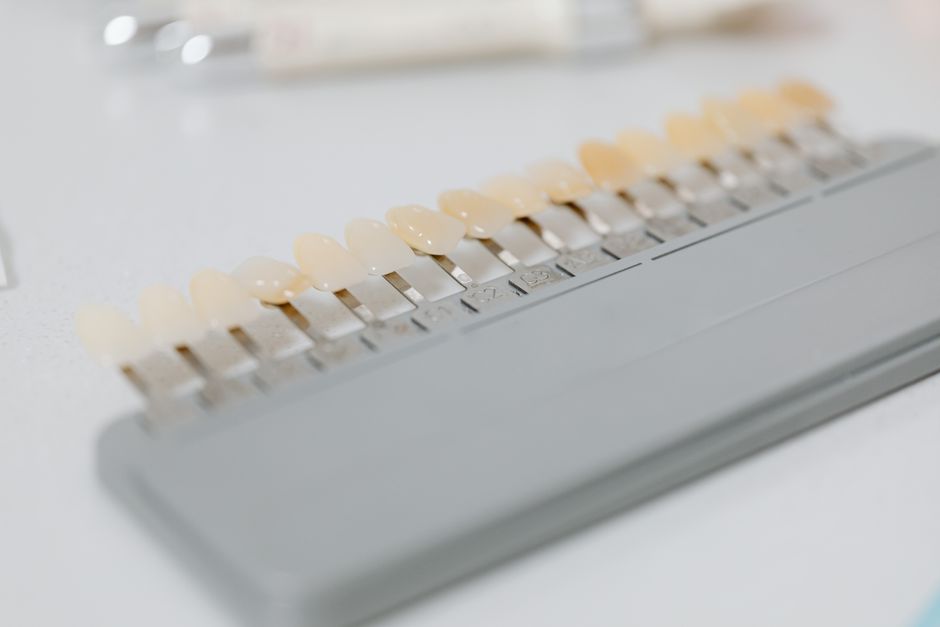
Laminate veneers are thin shells of tooth-colored material bonded to the front surface of teeth to change their appearance. They are a cosmetic treatment, not a repair for decay or structural damage. A dentist removes a small amount of enamel, takes an impression, and cements a custom-made shell that covers the visible face of the tooth.
Most veneers are made from either dental porcelain or a resin composite. Porcelain is the more common choice for durability and stain resistance. The procedure is permanent in a practical sense: once enamel is removed, it does not grow back.
What Are Laminate Veneers And How Do They Work?
Laminate veneers work by covering the front of a tooth with a bonded layer that changes its color, shape, or apparent alignment. The tooth underneath stays largely as it was. The veneer becomes the new visible surface.
The process usually takes more than one visit. At the first appointment, the dentist evaluates the tooth and removes a thin layer of enamel from the front. This creates room for the veneer so the final result does not look bulky. The amount removed is typically small, often described as roughly the thickness of the veneer itself, though it varies by case.
An impression or digital scan is then taken and sent to a dental lab. Many patients leave with temporary veneers while the permanent ones are made. At a later visit, the dentist checks the fit, adjusts color and shape, and bonds the veneer to the tooth with a dental adhesive. A special light is often used to help set the bonding material.
Once bonded, the veneer is strong enough for normal chewing. It does not need special care beyond regular brushing, flossing, and dental checkups.
What Problems Do Veneers Actually Fix?
Veneers are used to change how teeth look. They are not a treatment for disease. Dentists most often use them for cosmetic concerns such as:
- Teeth that are discolored and do not respond well to whitening
- Small chips or worn edges
- Minor gaps between front teeth
- Teeth that look slightly uneven or misshapen
Veneers are a poor fit for some situations. Teeth with large fillings, significant decay, or major structural damage usually need a different solution, such as a crown. Teeth that are badly misaligned may be better treated with orthodontics first. A dentist should assess the underlying health of the tooth before cosmetic work begins.
This is where a non-obvious point matters: veneers cover the front of a tooth but do not make a weak tooth strong. If the tooth itself is compromised, hiding it under a shell does not fix the underlying problem.
Porcelain vs Composite: How Do They Compare?
The two main materials behave differently in ways that affect cost, lifespan, and upkeep. The comparison below reflects general clinical understanding rather than a single study.
| Feature | Porcelain | Composite resin |
|---|---|---|
| Appearance | Closely mimics natural enamel; resists staining well | Good, but can stain over time |
| Typical lifespan | Often 10 to 15 years or longer with good care | Generally shorter; may need replacement or repair sooner |
| Enamel removal | Usually requires some enamel removal | Often requires less or none |
| Repair | Harder to repair; often replaced | Can often be repaired or added to |
| Cost | Higher | Lower |
These lifespans are general ranges, not guarantees. Real-world durability depends on the bite, habits like teeth grinding, and how well the veneers are cared for. No material lasts forever, and replacement is expected at some point.





Are Veneers Safe, And What Are The Risks?
Veneers are widely used and generally considered safe when placed by a qualified dentist on healthy teeth. That does not mean there are no risks.
The main trade-off is permanence. Enamel removed during preparation does not return. If a veneer later comes off or a patient decides they no longer want them, the teeth will need some form of restoration.
Other risks include:
- Sensitivity, especially to hot and cold, particularly in the days after placement
- Chipping or cracking of the veneer, sometimes from grinding or biting hard objects
- Veneers coming loose or debonding
- Irritation of the gums around the edges if the fit is poor
- Underlying tooth decay if edges are not kept clean
Good oral hygiene matters more than many people expect. The seam where the veneer meets the gum and the tooth is a place where plaque can collect. Regular flossing and checkups help protect the tooth underneath.
How Long Do Veneers Last, And How Do You Care For Them?
With good care, porcelain veneers often last 10 to 15 years, and some last longer. Composite veneers generally have a shorter lifespan. These are typical ranges, and individual results vary.
Care is not complicated. Brush twice a day with fluoride toothpaste, floss daily, and keep regular dental appointments. A few habits help protect the investment:
- Avoid biting nails, pens, or ice
- Wear a night guard if you grind your teeth
- Limit very hard foods that can chip the edges
- Ask your dentist before using abrasive whitening products
Veneers do not decay, but the tooth underneath can. That is why hygiene and checkups matter as much after the procedure as before it.
What Should You Know Before Getting Veneers?
Veneers are a cosmetic choice, and the decision deserves honest weighing. They can produce a durable, natural-looking change for the right candidate. They are also irreversible, costly, and not medically necessary in most cases.
Some questions worth asking a dentist before committing:
- Is my tooth healthy enough for a veneer, or is another treatment better?
- How much enamel will be removed?
- What material are you recommending, and why?
- What is the total cost, including any temporaries and follow-up visits?
- How long should I expect them to last given my habits?
Veneers are not a substitute for treating gum disease, decay, or bite problems. If a dentist recommends fixing those first, that is a reasonable sign of careful practice, not an obstacle to work around.
Costs vary widely by region and case, so a specific figure is not reliable here. Insurance often does not cover veneers because they are considered cosmetic, though coverage depends on the plan and the reason for treatment.
Frequently Asked Questions
Do veneers ruin your teeth?
Veneers do not ruin healthy teeth when placed properly, but the procedure is permanent because some enamel is removed. The tooth underneath can still decay if hygiene and checkups are neglected.
How long do laminate veneers last?
Porcelain veneers often last 10 to 15 years or longer with good care, while composite veneers generally last a shorter time. Real-world lifespan depends on your bite, habits, and oral hygiene.
Do veneers hurt?
Most people report little pain during the procedure because the area is numbed. Some temporary sensitivity to hot and cold is common afterward and usually settles.
Can veneers be removed?
Veneers can be removed, but the enamel taken during preparation does not grow back. The teeth will usually need new veneers or another restoration afterward.
