
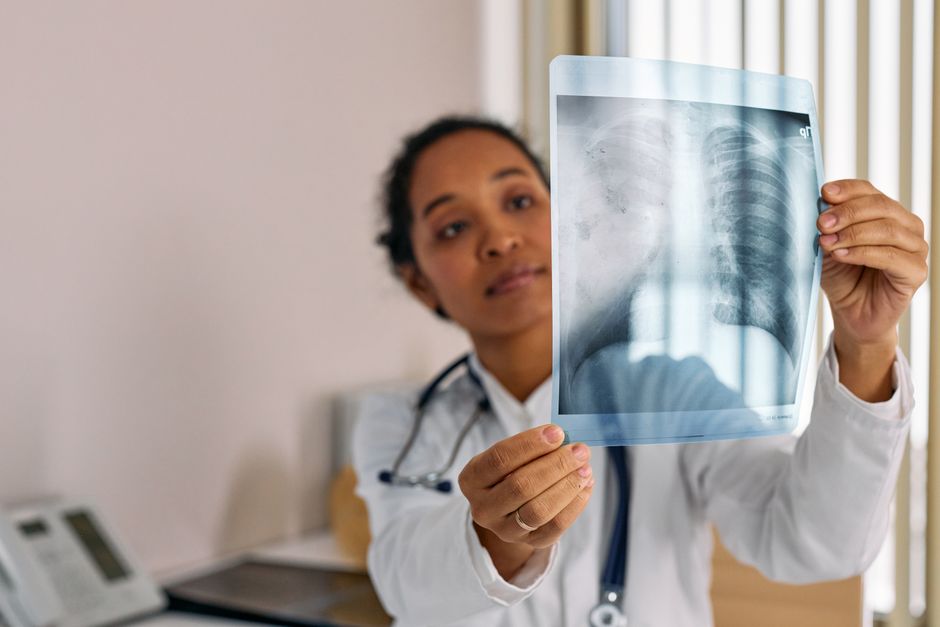
Your heart and lungs are a team. They work together every second to keep you alive. The circulatory system moves blood through your body. The respiratory system brings in oxygen and removes carbon dioxide. These two systems connect in the lungs. Oxygen from the air you breathe enters your blood there. Your blood then carries that oxygen to every cell in your body. At the same time, your blood picks up waste carbon dioxide from your cells and brings it back to the lungs so you can breathe it out. This partnership is called the cardiorespiratory system. It is the reason you can run, think, and sleep. Here is how it really works.
How Does The Circulatory System Work With The Respiratory at the Cellular Level?
The real action happens in tiny blood vessels called capillaries. These are the smallest blood vessels in your body. They wrap around the air sacs in your lungs called alveoli. The walls of both capillaries and alveoli are extremely thin — just one cell thick. Oxygen passes through these thin walls into the blood. Carbon dioxide passes the other way from the blood into the alveoli.
This process is called gas exchange. It happens by simple diffusion. Oxygen moves from an area of high concentration in the lungs to an area of low concentration in the blood. Carbon dioxide does the reverse. No energy is needed for this. Pressure differences alone drive it. The heart pumps deoxygenated blood to the lungs through the pulmonary artery. This blood is dark red because it is low on oxygen. Once it passes through the lung capillaries and picks up fresh oxygen, it turns bright red and returns to the heart through the pulmonary vein.
Research published in the journal Physiology confirms that each lung contains about 300 million alveoli. That gives you a surface area roughly the size of a tennis court for gas exchange. Without this massive surface area, your body could not get enough oxygen fast enough.
What Happens When You Breathe In and Out?
Breathing is mechanical. It is not automatic in the sense that muscles do the work. Your main breathing muscle is the diaphragm. It sits below your lungs like a dome. When you inhale, your diaphragm contracts and flattens downward. This creates more space in your chest cavity. Your lungs expand to fill that space. Air rushes in because the pressure inside your chest is now lower than the pressure outside.
When you exhale, your diaphragm relaxes and moves upward. The space in your chest gets smaller. Your lungs compress. Air flows out. At rest, you breathe about 12 to 20 times per minute. Each breath moves about 500 milliliters of air. That is roughly the volume of a soda can. Your heart rate at rest is about 60 to 100 beats per minute. During exercise, both rates increase together to meet oxygen demand.
The American Lung Association notes that your lungs are not muscles. They are spongy organs that expand and contract passively. The diaphragm and rib muscles do all the heavy lifting. If your diaphragm stops working, you cannot breathe on your own.
How Does Blood Flow Through the Heart and Lungs?
Blood circulation follows a specific path. It does not just slosh around randomly. Deoxygenated blood returns from your body through large veins called the superior and inferior vena cava. It enters the right atrium of the heart. Then it moves to the right ventricle. The right ventricle pumps it through the pulmonary artery to the lungs.
In the lung capillaries, oxygen enters the blood and carbon dioxide leaves. The now oxygen-rich blood returns to the left atrium of the heart through the pulmonary veins. It then moves to the left ventricle. The left ventricle is the strongest chamber. It pumps oxygenated blood out through the aorta to the rest of your body. This entire loop is called the pulmonary circuit. The body-wide loop is the systemic circuit.
According to the American Heart Association, your heart beats about 100,000 times per day. Each beat pushes blood through this exact sequence. The right side of the heart handles deoxygenated blood. The left side handles oxygenated blood. They never mix. A hole between the sides, called a septal defect, is a serious condition that requires medical repair.





What Happens to Oxygen Once It Reaches Your Cells?
Oxygen does not just float around in your blood. It needs a carrier. That carrier is hemoglobin. Hemoglobin is a protein found inside your red blood cells. Each hemoglobin molecule can carry four oxygen molecules. When hemoglobin picks up oxygen in the lungs, it becomes bright red. When it releases oxygen to your tissues, it becomes darker.
Your cells use oxygen in a process called cellular respiration. This happens inside tiny structures called mitochondria. Mitochondria are often called the powerhouses of cells. They use oxygen to break down glucose and produce ATP. ATP is the energy currency your cells use for everything — muscle contraction, nerve signaling, and even thinking.
Without oxygen, your cells switch to a less efficient process called anaerobic respiration. This produces lactic acid and much less ATP. It can keep you going for short bursts, but not for long. Your brain is especially sensitive to oxygen lack. Brain cells begin to die within minutes without oxygen. The CDC reports that stroke, which cuts off blood flow to the brain, is a leading cause of disability because of this vulnerability.
What Happens to Carbon Dioxide and How Is It Removed?
Carbon dioxide is a waste product. Your cells produce it constantly as they burn energy. If it builds up in your blood, it forms carbonic acid. This lowers your blood pH. Too much acid in your blood is called acidosis. It can be dangerous. Your body has sensors that detect rising carbon dioxide levels. These sensors trigger you to breathe faster and deeper to blow off the excess.
Most carbon dioxide travels in your blood in three forms. About 70 percent is carried as bicarbonate ions. About 20 percent binds to hemoglobin. About 10 percent dissolves directly in plasma. All of it eventually reaches the lungs. There, it diffuses into the alveoli and you breathe it out. A typical adult exhales about one kilogram of carbon dioxide per day.
Some people report feeling short of breath when anxious. This is not because they need more oxygen. It is often because they are breathing too fast and blowing off too much carbon dioxide. This lowers carbon dioxide levels and can cause tingling in the hands and face. Slowing your breathing down usually resolves it.
How Do Exercise and Altitude Affect This System?
Exercise increases demand. Your muscles need more oxygen and produce more carbon dioxide. Your breathing rate and heart rate rise together. Your blood vessels in working muscles widen to allow more blood flow. Blood vessels in less active areas narrow slightly. This prioritizes oxygen delivery to where it is needed most.
At high altitude, the air has less oxygen. Your body adapts over days to weeks. Your kidneys produce more of a hormone called erythropoietin. This stimulates your bone marrow to make more red blood cells. More red blood cells mean more hemoglobin to carry oxygen. This is why athletes sometimes train at altitude. The adaptation can improve endurance performance at sea level.
However, rapid ascent to high altitude without acclimatization can cause altitude sickness. Symptoms include headache, nausea, and shortness of breath. In severe cases, fluid can build up in the lungs or brain. This is a medical emergency. The best prevention is gradual ascent. Most people can safely go to 8,000 feet without symptoms. Above that, climbing slowly matters.
What Are Common Misconceptions About the Heart-Lung Connection?
One common myth is that you can consciously control your heart rate. You cannot. Your heart rate is controlled by your autonomic nervous system. It responds to signals from your brain and chemical sensors in your blood. You can influence it indirectly through breathing exercises, but you cannot command it like a muscle.
Another myth is that holding your breath strengthens your lungs. Holding your breath does not strengthen lung tissue. It only trains your body to tolerate higher carbon dioxide levels. Lung strength comes from the diaphragm and rib muscles. You can strengthen those with regular aerobic exercise and deep breathing practice. But the lung tissue itself does not get stronger.
Some people believe that if you breathe pure oxygen, you will be healthier. This is false. Breathing pure oxygen at normal pressure can actually damage lung tissue over time. It causes oxidative stress. Oxygen therapy is only used in medical settings for people with low blood oxygen levels. For healthy people, normal air at 21 percent oxygen is ideal.
Frequently Asked Questions
How do the circulatory and respiratory systems work together during exercise?
During exercise, your breathing and heart rates increase together to deliver more oxygen to your muscles and remove carbon dioxide faster. Your blood vessels also widen in working muscles to allow greater blood flow.
What organ connects the circulatory and respiratory systems?
The lungs are the organ where these two systems connect directly. Gas exchange happens in the tiny air sacs called alveoli surrounded by capillaries.
Can lung disease affect your heart?
Yes, lung disease can strain your heart. Chronic low oxygen levels force the right side of your heart to pump harder, which can lead to a condition called right-sided heart failure over time.
What happens if the circulatory system stops working with the respiratory system?
If this partnership stops, oxygen cannot reach your cells and carbon dioxide builds up. Without medical intervention, organ failure and death occur within minutes.
