
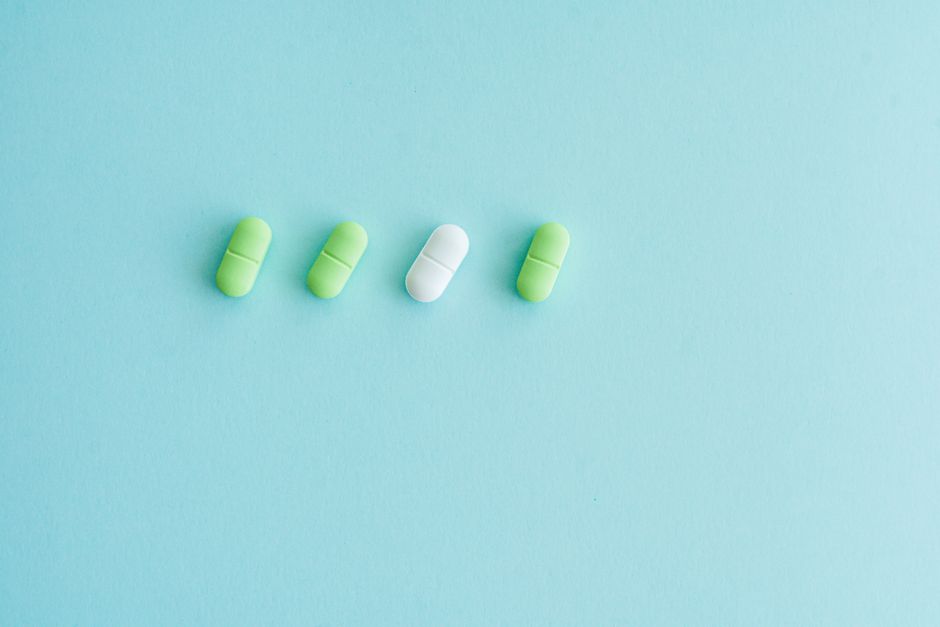
The next day pill, often called emergency contraception, works mainly by stopping or delaying ovulation. If no egg is released, sperm cannot fertilize one. Some types may also prevent a fertilized egg from implanting in the uterus, though this is less common. The key is timing — the sooner you take it after unprotected sex, the better it works.
What Is the Next Day Pill and How Does It Work?
The next day pill is a high dose of hormones used after unprotected sex to prevent pregnancy. It is not the same as the abortion pill. Emergency contraception stops a pregnancy before it starts. It will not end an existing pregnancy.
There are two main types. One contains levonorgestrel, a synthetic hormone found in many regular birth control pills but at a higher dose. The other contains ulipristal acetate, which blocks progesterone and is more effective at stopping ovulation even later in your cycle. Both are available over the counter in the US for people of any age.
Research published in Contraception journal shows that ulipristal acetate works better than levonorgestrel for women who are overweight or obese. The CDC states that emergency contraception can reduce the risk of pregnancy by up to 89 percent when taken within 72 hours, though some types work up to 120 hours.
How Does The Next Day Pill Work Step by Step?
Step one is timing. You take the first pill as soon as possible after unprotected sex. For levonorgestrel pills like Plan B One-Step, you take one pill. Some brands require a second pill 12 hours later, but most modern versions are a single dose.
Step two is absorption. The hormone enters your bloodstream through your digestive system. Within a few hours, it reaches peak levels. This is when the pill does its main job — it signals your ovaries to pause egg release.
Step three is the effect on your cycle. If you have not yet ovulated, the pill delays it. Sperm can live inside your body for up to five days. By delaying ovulation, the pill ensures no egg is present when sperm arrive. If you have already ovulated, the pill may thicken cervical mucus to block sperm or alter the uterine lining to prevent implantation. Evidence for this second mechanism is weaker.
How Effective Is the Next Day Pill and What Affects It?
Effectiveness depends on when you take it. Taking it within 24 hours gives the best results. After 72 hours, levonorgestrel pills lose most of their power. Ulipristal acetate stays effective for up to 120 hours.
Body weight matters. The European Medicines Agency found that levonorgestrel pills may be less effective in women with a BMI over 25 and may not work at all in women with a BMI over 30. Ulipristal acetate remains effective up to a BMI of 35. If your BMI is over 30, a copper IUD is the most reliable emergency contraception.
Other factors include where you are in your cycle. If you take the pill just before ovulation, it may not work because ovulation is already underway. Some studies suggest that taking the pill during the fertile window reduces effectiveness compared to taking it earlier or later in your cycle.
| Type | Time Window | Effectiveness | Weight Limits |
|---|---|---|---|
| Levonorgestrel (Plan B) | Up to 72 hours | Up to 89% | Less effective over BMI 25 |
| Ulipristal (Ella) | Up to 120 hours | Up to 95% | Effective up to BMI 35 |
| Copper IUD | Up to 5 days | Over 99% | No weight limit |
No emergency contraception is 100 percent effective. If your period is more than a week late after taking the pill, take a pregnancy test.




What Are the Side Effects of the Next Day Pill?
Most side effects are mild and short-lived. Nausea is the most common, affecting about 20 percent of women. Vomiting is less common but can happen. If you vomit within two hours of taking the pill, contact a pharmacist — you may need a second dose.
Other side effects include headache, dizziness, breast tenderness, and fatigue. Your next period may come earlier or later than expected. It may be heavier or lighter. These changes are normal and do not mean the pill did not work.
A less common side effect is spotting between periods. This happens because the hormones disrupt your normal cycle. The spotting usually stops after your next period. If it continues, see a doctor.
What Should You Avoid When Taking the Next Day Pill?
Do not take more than one dose unless your doctor tells you to. Taking extra pills does not increase effectiveness and can cause severe nausea and hormone imbalance.
Do not rely on the next day pill as regular birth control. It is meant for emergencies only. Using it repeatedly can disrupt your cycle and make it harder to predict ovulation. It is also less effective than regular methods like the pill, patch, or IUD.
- Avoid taking St. John’s wort — it can reduce how well the pill works.
- Avoid certain antibiotics like rifampin and rifabutin, which may interfere.
- Avoid waiting. Every hour matters. Taking it immediately after unprotected sex is the most effective.
If you are already using regular birth control and missed a pill, the next day pill can be a backup. But it does not protect you from future pregnancy. You need to restart your regular method and use condoms until your next period.
Common Misconceptions About the Next Day Pill
One of the biggest myths is that the next day pill causes an abortion. It does not. The pill works before a pregnancy is established. Pregnancy begins when a fertilized egg implants in the uterus. Emergency contraception prevents ovulation or fertilization, which happens before implantation.
Another myth is that it makes you infertile. There is no evidence that emergency contraception affects long-term fertility. The hormones leave your system within a few days. Your cycle may be off for one or two months, but your ability to get pregnant returns to normal.
Some people believe that taking the pill too often will make it stop working. This is not true. Your body does not build a tolerance to emergency contraception. However, using it frequently means you are not using reliable birth control, which increases your overall risk of pregnancy.
Frequently Asked Questions
Can I take the next day pill if I am already pregnant?
No, it will not work and is not intended to end an existing pregnancy. It only prevents pregnancy before it starts.
Will the next day pill protect me for the rest of my cycle?
No, it only protects against the one act of unprotected sex you took it for. You need to use condoms or another method afterward.
How soon after taking the pill should I get my period?
Most women get their period within a week of when they expected it. If it is more than seven days late, take a pregnancy test.
Can I drink alcohol after taking the next day pill?
Alcohol does not affect how the pill works, but it can worsen nausea. Drink in moderation if you choose to drink at all.
