
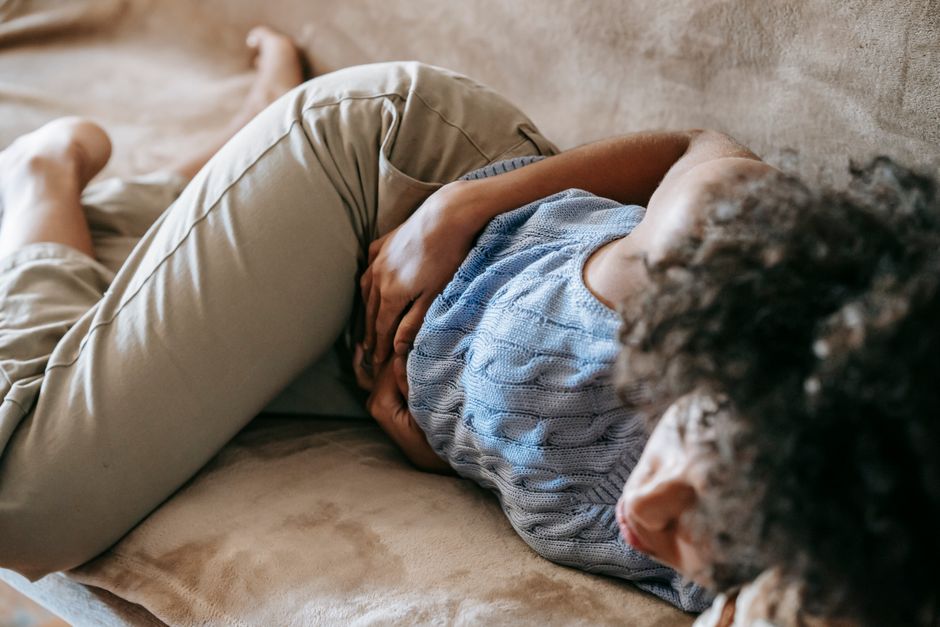
Period pain is common, but severe pain is not something you have to simply endure. For most people, at-home care can meaningfully reduce cramping. Heat therapy, over-the-counter anti-inflammatories, and gentle movement are the most reliable tools we have. Start with these before considering anything else.
What Causes Period Cramps?
Your uterus is a muscle. During your period, it contracts to shed its lining. These contractions squeeze the blood vessels in the uterine wall, which briefly cuts off oxygen to the muscle tissue. That lack of oxygen is what creates the cramping pain.
The body drives these contractions with hormone-like chemicals called prostaglandins. Higher prostaglandin levels are linked to more intense cramps. This is why anti-inflammatory drugs work so well — they block the production of these chemicals at the source.
Does Heat Actually Stop The Pain?
Yes, and the evidence is solid. A heating pad, hot water bottle, or warm bath relaxes the uterine muscle and increases blood flow to the area. This directly counteracts the oxygen deprivation that causes the pain.
Studies comparing heat therapy to ibuprofen have found that heat can be just as effective for pain relief. A warm compress applied to the lower abdomen for 15 to 20 minutes is a reasonable starting point. You can repeat this as often as needed throughout the day.
One practical note: place a cloth between the heat source and your skin. Burns can happen even at moderate temperatures when skin is exposed for long periods.
Which Painkillers Work Best For Cramps?
Nonsteroidal anti-inflammatory drugs (NSAIDs) are the first-line treatment. Ibuprofen (Advil, Motrin) and naproxen (Aleve) are the most common options. These drugs reduce prostaglandin production, which means less uterine contraction and less pain.
For maximum effect, take the first dose as soon as your period starts or even the day before if your cramps are predictable. NSAIDs work best when they prevent the inflammatory cascade rather than trying to stop it after it has begun. Follow the dosing instructions on the label.
Acetaminophen (Tylenol) can help with pain, but it does not reduce inflammation. For period cramps specifically, an NSAID is usually the better choice.
People with stomach ulcers, kidney disease, or a history of bleeding disorders should talk to a doctor before using NSAIDs regularly.



Can Exercise Really Reduce Cramping?
Exercise may be the last thing you want to do when you are in pain, but it can genuinely help. Physical activity releases endorphins, which are your body’s natural painkillers. It also improves blood flow to the pelvic region.
Light to moderate activity is the goal. Walking, swimming, cycling, or gentle yoga are all reasonable options. You do not need to run a marathon. A 20 to 30 minute walk can be enough to notice a difference.
One small study found that women who did regular aerobic exercise reported less period pain over time. This appears to be a cumulative effect — consistent exercise across multiple cycles may reduce cramp severity long term.
If exercise makes your pain worse, stop. Listen to your body. Some days rest is the right call.
What About Diet And Hydration?
Dehydration makes muscles more prone to cramping. Drinking water throughout your day, especially in the days leading up to your period, can reduce the intensity of uterine contractions.
Some research suggests that a diet lower in salt and higher in calcium may help. Salt promotes water retention, which can worsen bloating and discomfort. Calcium-rich foods like yogurt, leafy greens, and fortified plant milks have shown some benefit in reducing period pain, though the evidence is modest.
Magnesium is another mineral that appears to help. Some studies show magnesium supplements can reduce cramp severity, but results are mixed. If you try magnesium, start with a low dose. Too much can cause diarrhea.
Caffeine is a double-edged sword. It can worsen anxiety and sleep problems, which amplify pain perception. But for some people, a small amount helps with fatigue. There is no strong evidence that caffeine directly worsens cramps. Pay attention to how your body responds.
Which Supplements Have Real Evidence?
Vitamin B1 (thiamine) has the strongest evidence base among supplements for period pain. Some clinical trials have shown that 100 mg daily can significantly reduce cramp severity. This is a dose that should be discussed with a doctor, as it is higher than typical dietary intake.
Fish oil and ginger have both shown promise in small studies. Ginger, in particular, has been studied at doses of 250 mg taken four times daily during the first few days of the period. The evidence is preliminary but encouraging.
Be honest with yourself about what the research actually shows. No supplement has been proven to eliminate period pain. The evidence for most is limited to small studies with short follow-up periods.
If you are pregnant, trying to conceive, or taking blood thinners, talk to your doctor before starting any supplement. Some supplements can interact with medications or affect bleeding.
When Should You See A Doctor?
Period pain that does not respond to over-the-counter treatment deserves medical attention. So does pain that interferes with your ability to work, attend school, or carry out normal activities.
You should also see a doctor if your pain has changed or gotten worse over time. Sudden severe pain, pain that lasts beyond your period, or pain accompanied by heavy bleeding are all reasons to seek evaluation.
These symptoms can sometimes point to underlying conditions like endometriosis, uterine fibroids, or adenomyosis. These are not conditions you can treat at home. They require proper diagnosis and a treatment plan from a healthcare provider.
There is no benefit to suffering through severe pain. Pain that disrupts your life is a medical problem, not a personal weakness.
What About Birth Control For Cramps?
Hormonal birth control is one of the most effective medical treatments for period pain. The pill, patch, ring, and hormonal IUD all reduce prostaglandin production by thinning the uterine lining. Less lining means less cramping.
This is a decision to make with your doctor. Birth control is not appropriate for everyone, and the right option depends on your health history and preferences.
If at-home treatments are not giving you enough relief, this is a conversation worth having. Many people suffer for years before learning that a simple prescription could have helped.
What Does Not Work?
There is a lot of marketing around period pain that is not supported by evidence. “Detox” teas, essential oil blends, and vaginal steaming have no clinical backing for pain relief. Some of these products are harmless but expensive. Others can cause irritation or infection.
No study has confirmed that any specific herbal tea reduces uterine cramping. Staying warm and hydrated is helpful, but the tea itself is not doing the work.
Similarly, there is no evidence that “cleansing” or “detoxifying” your body affects period pain. Your body does not need help removing waste. It has organs for that.
Frequently Asked Questions
How long should I use a heating pad for cramps?
Apply heat for 15 to 20 minutes at a time, with a cloth between the pad and your skin. You can repeat this as often as needed throughout the day.
Is it better to take ibuprofen or naproxen for period pain?
Both are effective NSAIDs, and the best choice depends on your personal response. Ibuprofen works for about 4 to 6 hours, while naproxen lasts longer at 8 to 12 hours.
Can drinking more water reduce period cramps?
Staying hydrated helps prevent muscle cramping in general, including uterine cramping. There is no specific amount of water proven to reduce period pain, but dehydration can make cramps worse.
When is period pain severe enough to see a doctor?
See a doctor if pain does not respond to over-the-counter medication, if it prevents you from normal activities, or if it has gotten worse over time. Pain that lasts beyond your period also warrants evaluation.
