
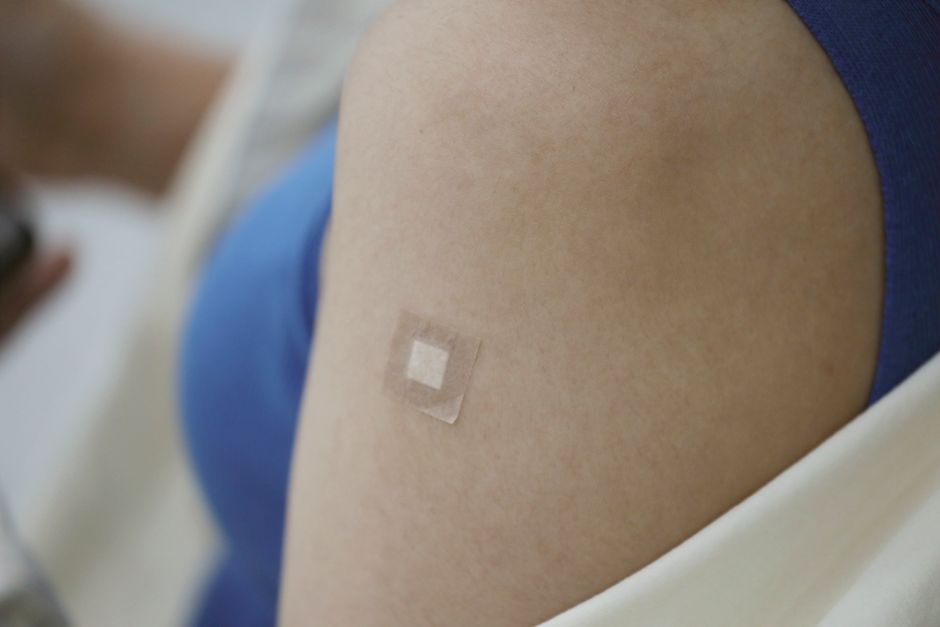
Hydrocolloid bandages are adhesive dressings that form a gel when they come into contact with wound fluid. They create a moist, protective environment that supports the body’s natural healing process. Unlike traditional gauze bandages, they do not stick to the wound itself, which makes removal far less painful.
How Do Hydrocolloid Bandages Work?
Hydrocolloid bandages contain a gel-forming agent, usually something like carboxymethylcellulose, mixed into an adhesive base. When the dressing absorbs fluid from a wound, this material swells and turns into a soft gel.
This gel fills the wound bed and keeps the area moist. Research consistently shows that wounds heal faster in a moist environment than when they are allowed to dry out. The gel also acts as a barrier, keeping bacteria and dirt away from the healing tissue.
The bandage itself is waterproof and stays in place for several days. You can shower or wash your hands without changing it. Most hydrocolloid bandages are thin and flexible, so they move with your skin rather than restricting it.
What Are Hydrocolloid Bandages Used For?
Hydrocolloid bandages are designed for shallow wounds with light to moderate drainage. They are commonly used on minor burns, scrapes, and superficial cuts. They are also widely used in medical settings for pressure sores and leg ulcers, though those cases usually require a healthcare professional to apply them.
One of the most popular everyday uses is on blisters. The cushioning gel reduces friction and pain while the wound heals underneath. Many athletes and hikers keep them in their first aid kits for this exact reason.
These bandages are not designed for deep wounds, infected wounds, or wounds with heavy bleeding. They also should not be used on third-degree burns or wounds that show signs of infection, such as redness spreading, warmth, or pus.
Hydrocolloid vs. Regular Adhesive Bandages
Standard adhesive bandages are simple: a pad sits on the wound and tape holds it in place. They absorb some fluid but can stick to the wound as it dries. This often damages new skin cells when the bandage is removed.
Hydrocolloid bandages take a different approach. They do not just absorb fluid; they interact with it to form a gel. This keeps the wound from drying out and prevents the dressing from adhering to the healing tissue.
The differences matter in practice:
- Wear time: Hydrocolloid bandages can stay on for 3 to 5 days. Regular bandages usually need changing daily.
- Water resistance: Hydrocolloid dressings are waterproof. Standard bandages are not.
- Pain on removal: Hydrocolloid bandages generally come off without pulling at the wound. Regular bandages often do not.
- Cost: Hydrocolloid bandages are noticeably more expensive per piece.
For a small, dry scrape, a standard bandage is perfectly adequate. For a blister or a wound that needs several days of protection, a hydrocolloid dressing is often the better choice.





How to Apply and Remove a Hydrocolloid Bandage
Proper application matters more than most people realize. The bandage will only work well if the skin around the wound is clean and dry.
Start by washing the wound gently with clean water. Pat the surrounding skin dry completely. Any moisture or lotion on the skin will prevent the adhesive from sealing properly. Do not apply any ointment or cream before placing the bandage, as this can interfere with the gel-forming process.
Peel the backing off and place the bandage over the wound. Press down firmly from the center outward to ensure the edges are sealed. The bandage should extend at least an inch beyond the wound on all sides.
Leave it in place for several days. You will notice a white bubble forming under the bandage. This is the gel mixing with wound fluid. It is normal and means the dressing is working.
When it is time to change the bandage, lift one edge and pull it off gently. If it resists, do not yank it. Pull it back over itself rather than away from the skin. Wash the area and allow it to dry before applying a new bandage.
Do Hydrocolloid Bandages Work on Acne?
Hydrocolloid bandages have become popular for acne treatment. Small versions, sometimes called pimple patches, are sold specifically for this purpose. Some evidence indicates they can help with certain types of breakouts.
The bandages work by absorbing fluid from a popped or draining pimple. They also create a protective barrier that stops you from picking at the spot. For this reason, they are most effective on pimples that have already come to a head or have been opened.
They do not treat the underlying causes of acne. They will not kill bacteria deep in the pore, reduce inflammation, or prevent future breakouts. They are a management tool for an existing pimple, not a treatment for acne as a condition.
If you have cystic acne or frequent breakouts, a dermatologist can offer treatments that address the root cause. Hydrocolloid patches are a supplement, not a replacement, for proper acne care.
When Should You Not Use a Hydrocolloid Bandage?
These bandages are not appropriate for every wound. Using them incorrectly can delay healing or make an infection worse.
Do not use a hydrocolloid bandage on a wound that is actively infected. Signs of infection include increasing pain, spreading redness, warmth, swelling, or a foul odor. If you see these signs, remove the bandage and seek medical advice.
Do not use them on deep wounds that require stitches. The gel cannot fill a deep cavity, and the wound needs proper medical evaluation first.
Do not use them on wounds with heavy bleeding. These bandages are not designed to apply pressure or absorb large amounts of blood.
People with fragile skin, such as the elderly or those on certain medications, should be cautious. The adhesive can tear delicate skin when removed. If you have a known adhesive allergy, test the bandage on a small area of skin first or consult a healthcare provider.
What Does the Evidence Say About Healing Time?
The evidence for moist wound healing is well established. Studies have consistently found that wounds kept moist heal faster and with less scarring than wounds allowed to dry out and form a scab.
This principle is the foundation of modern wound care. Hydrocolloid bandages are one of many dressing types that apply this principle. Others include foam dressings, alginate dressings, and transparent films.
That said, the exact healing time for any wound depends on its size, depth, location, and your overall health. No dressing can guarantee a specific healing timeline. A hydrocolloid bandage supports the process; it does not accelerate it beyond what the body can naturally do.
For a minor blister or scrape, you can typically expect the wound to heal within a week. Larger or deeper wounds take longer. If a wound has not improved after a few days of using a hydrocolloid bandage, or if it looks worse, see a healthcare provider.
Are There Any Risks or Side Effects?
Hydrocolloid bandages are generally safe for most people. They have been used in medical settings for decades.
The most common issue is skin irritation from the adhesive. This usually appears as redness or itching at the edges of the bandage. If this happens, remove the bandage and switch to a different type of dressing.
Another issue is the gel residue left on the skin after removal. This is harmless and washes off easily with soap and water. Do not scrub it off, as the skin underneath may be delicate.
If you have diabetes or poor circulation, talk to your doctor before using hydrocolloid bandages on foot wounds. These conditions can change how wounds heal, and professional guidance is important.
Frequently Asked Questions
Can I shower with a hydrocolloid bandage on?
Yes, hydrocolloid bandages are waterproof and can withstand showering. Avoid soaking the bandage in a bath or pool, as prolonged submersion can weaken the seal.
How often should I change a hydrocolloid bandage?
Most hydrocolloid bandages can stay on for 3 to 5 days. Change it sooner if fluid leaks from the edges or if the bandage starts to peel off on its own.
Why is there white stuff under my hydrocolloid bandage?
That white material is the gel from the bandage mixing with your wound fluid. It is a normal part of the healing process and means the dressing is working correctly.
Should I pop a blister before using a hydrocolloid bandage?
Leave the blister intact if possible. The hydrocolloid bandage works over an unpopped blister and provides cushioning and protection. If the blister has already burst, clean it gently before applying the bandage.
