
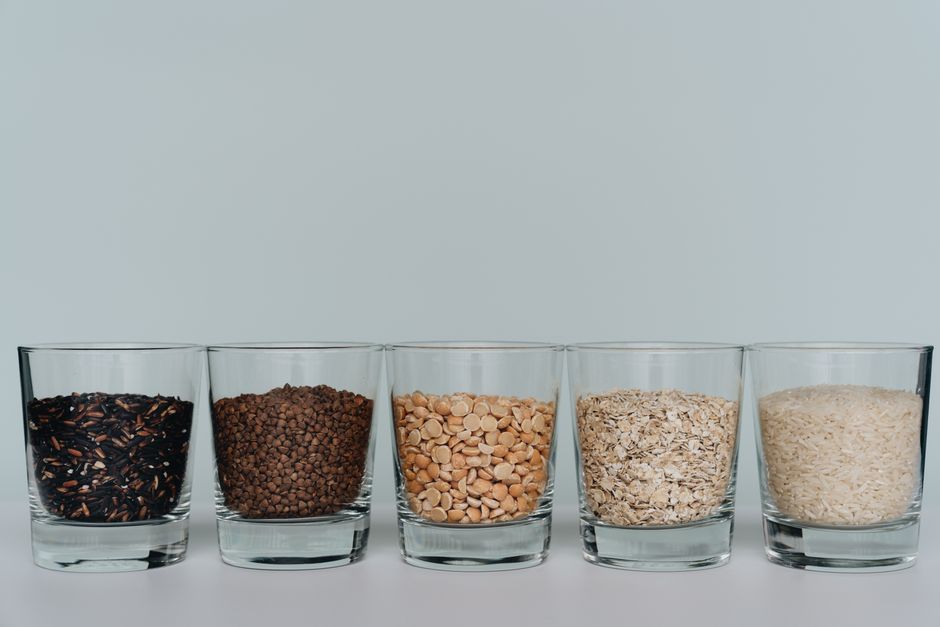
Red lentils are the edible seeds of the Lens culinaris plant, specifically the variety that has been hulled and split. Unlike brown or green lentils, red lentils have had their outer skin removed, which gives them their characteristic orange or red color and allows them to cook much faster. They are a staple legume in many cuisines, particularly in South Asia and the Middle East, where they are used to create thick soups, stews, and purees.
What Are Red Lentils Exactly?
Red lentils are a type of pulse, which is the edible seed of a legume plant. The key difference between red lentils and other lentils is the processing. After harvesting, the outer brownish hull is mechanically removed, and the inner seed is split in half. This is why red lentils are often sold as “split red lentils.” The removal of the hull is what makes them cook so quickly—usually in 15 to 20 minutes—and gives them a soft, almost mushy texture when cooked. Brown and green lentils, which keep their hull, hold their shape better and take 30 to 45 minutes to cook.
There are two main varieties of red lentils: the small, orange-red “masoor dal” common in Indian cooking, and a slightly larger, more golden variety often found in Middle Eastern markets. Both are nutritionally similar. The color can range from a bright salmon to a deeper reddish-orange, depending on the specific crop and region. When you buy them, they look like small, flat disks. Once cooked, they turn a pale yellow or golden color and lose their shape entirely.
What Is the Nutritional Profile of Red Lentils?
Red lentils are a nutrient-dense food. A one-cup serving of cooked red lentils (about 200 grams) provides roughly 230 calories, 18 grams of protein, and 15 grams of fiber. This makes them an excellent source of plant-based protein and dietary fiber. According to the USDA, they are also rich in several essential minerals. A single serving provides about 37% of the daily value for iron, 25% for magnesium, and 20% for potassium.
They are particularly high in folate. One cup of cooked red lentils provides about 90% of the daily value for folate, a B vitamin critical for DNA synthesis and cell division. This is especially important for pregnant women. Unlike many plant foods, red lentils also contain a significant amount of zinc and copper, two minerals important for immune function and energy production.
One thing to note: the iron in red lentils is non-heme iron, which is not absorbed as efficiently as the heme iron found in meat. However, research published in the American Journal of Clinical Nutrition shows that consuming them with a source of vitamin C — like a squeeze of lemon juice or a side of bell peppers — can significantly boost absorption.
How Do Red Lentils Compare to Other Lentils?
Many people assume all lentils are the same. They are not. The main differences come down to texture, cooking time, and nutrient availability. The table below shows a direct comparison based on one cup of cooked lentils.
| Type | Cook Time | Texture | Fiber (g) | Protein (g) |
|---|---|---|---|---|
| Red Lentils | 15-20 min | Soft, mushy | 15 | 18 |
| Brown Lentils | 30-45 min | Firm, holds shape | 16 | 18 |
| Green Lentils | 35-45 min | Firm, slightly peppery | 16 | 18 |
| Black Beluga Lentils | 25-30 min | Firm, earthy | 15 | 17 |
The numbers are similar across types, but the key difference is the antinutrient content. Because red lentils are hulled, they contain fewer tannins and phytic acid than unhulled lentils. This can actually improve the bioavailability of their minerals. A study in the Journal of Agricultural and Food Chemistry found that dehulling reduced the phytic acid content by up to 30%, potentially making the iron and zinc in red lentils slightly easier to absorb than in brown or green varieties.




What Are the Health Benefits of Eating Red Lentils?
Research consistently supports several health benefits of including red lentils in your diet. The high fiber and protein content makes them very satiating. A 2017 study in the Journal of Nutrition found that participants who ate a meal containing lentils reported lower hunger levels and ate fewer calories at their next meal compared to those who ate a meal with white rice or potatoes. This could be helpful for weight management.
The fiber in red lentils is a mix of soluble and insoluble fiber. The soluble fiber forms a gel in the gut, which can help lower LDL cholesterol. A meta-analysis of 10 clinical trials published in the Canadian Medical Association Journal found that eating one serving of pulses (including lentils) per day significantly reduced LDL cholesterol by about 5%. This is a modest but meaningful reduction for heart health.
Red lentils also have a low glycemic index (GI), estimated around 29. This means they cause a slow, gradual rise in blood sugar rather than a spike. For people with type 2 diabetes or insulin resistance, replacing high-GI foods like white rice or potatoes with lentils can improve blood sugar control. The American Diabetes Association lists lentils as a recommended food for managing diabetes.
Some people report that red lentils are easier to digest than other lentils. This is likely because the hull is removed. The hull contains most of the indigestible fibers and some of the compounds that cause gas. While there is no large clinical trial comparing digestibility, it is a widely reported experience.
How Should You Prepare and Cook Red Lentils?
Preparation is simple. Unlike dried beans, red lentils do not require soaking. You should still pick through them quickly to remove any small stones or debris, then rinse them under cold water in a fine-mesh strainer until the water runs clear. This removes any dust or loose starch.
Cooking is straightforward. Use a ratio of about 3 cups of water or broth for every 1 cup of dried red lentils. Bring to a boil, then reduce to a simmer. Cook uncovered for 15 to 20 minutes. They are done when they are soft and have broken down into a thick, porridge-like consistency. Do not overcook them to the point of burning, but they are very forgiving.
Here are some practical tips for getting the most out of red lentils:
- Add acid after cooking. If you add lemon juice, vinegar, or tomatoes at the start, it can slow down the softening process. Add these at the end of cooking.
- Use them as a thickener. Because they break down completely, they are excellent for thickening soups and stews without adding cream or flour.
- Season generously. Red lentils have a mild, earthy flavor. They take on spices well. Common pairings include cumin, turmeric, coriander, ginger, and garlic.
- Store them properly. Dried red lentils can last up to a year in an airtight container in a cool, dark place. Cooked lentils will keep in the refrigerator for about 5 days.
Are There Any Downsides or Risks?
Red lentils are generally safe for almost everyone. However, there are a few things to be aware of. Like all legumes, they contain lectins and phytic acid, which are antinutrients. Lectins can cause digestive discomfort in some people, and phytic acid can bind to minerals and reduce their absorption. The good news is that cooking destroys most lectins. The phytic acid is also reduced by cooking, though not eliminated entirely. For most people eating a varied diet, this is not a concern.
Some people report gas and bloating after eating lentils. This is because of the oligosaccharides — complex sugars that the human body cannot digest. They pass into the large intestine where gut bacteria ferment them, producing gas. Rinsing the lentils well and cooking them thoroughly can help. Some evidence suggests that soaking lentils for 4-6 hours before cooking can reduce the oligosaccharide content, though this is not necessary for red lentils given their short cook time.
One specific concern with red lentils is oxalates. Red lentils contain moderate levels of oxalates, a compound that can contribute to kidney stone formation in susceptible people. A 100-gram serving of cooked red lentils contains about 50-60 mg of oxalates. For comparison, spinach contains over 700 mg per serving. For most people, this is not a problem. But if you have a history of calcium oxalate kidney stones, you may want to limit your intake or pair them with a calcium-rich food like yogurt to bind the oxalates in the gut.
There is no evidence that red lentils are “toxic” or “dangerous” as some viral health claims suggest. These claims are typically based on a misunderstanding of antinutrients. As of 2026, there is no clinical evidence that properly cooked red lentils pose any health risk to the general population.
Common Misconceptions About Red Lentils
One persistent myth is that red lentils are a different species than other lentils. They are not. The same species, Lens culinaris, produces all colors of lentils. The color difference is largely due to the variety and the removal of the hull. Another common claim is that red lentils are “processed” in a way that removes all nutrition. This is false. Hulling removes some fiber, but the nutritional profile is comparable to unhulled lentils. The protein, iron, and folate content remain high.
Another misconception is that red lentils must be eaten with a grain to make a “complete protein.” This idea has been overstated. While lentils are low in the amino acid methionine, your body maintains a pool of amino acids from various foods eaten throughout the day. You do not need to pair them at the same meal. As long as you eat a variety of protein sources over the day, you will get all the essential amino acids you need.
Finally, some people believe that all red lentils are the same. Turkish red lentils, Indian masoor dal, and Egyptian red lentils have subtle differences in color, size, and flavor. Turkish red lentils are slightly larger and hold a bit more shape. Indian masoor dal is smaller and breaks down more completely. They are interchangeable in most recipes, but the texture of the final dish can vary slightly.
Frequently Asked Questions
Do red lentils need to be soaked before cooking?
No, red lentils do not require soaking. You should rinse them under cold water before cooking, but soaking is optional and not necessary.
Are red lentils healthier than brown lentils?
Both are very similar nutritionally. Red lentils have slightly less fiber due to the removal of the hull, but they also have fewer antinutrients like phytic acid.
Can I eat red lentils raw?
No, you should not eat red lentils raw. Raw lentils contain lectins that can cause digestive upset and are difficult to digest. Always cook them thoroughly.
Do red lentils cause gas?
Some people experience gas from red lentils due to their oligosaccharide content. Rinsing them well and cooking them fully can reduce this effect.
